
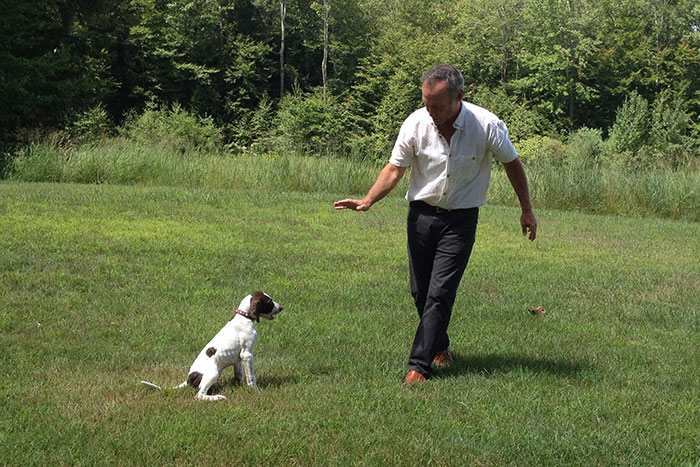
Understanding the Importance of Basic Dog Obedience Training
Dogs are known for their loyalty, companionship, and unwavering love towards their human companions. However, to ensure a harmonious relationship between you and your furry friend, it is essential to establish basic obedience training from an early age.
Basic dog obedience training serves as the foundation for good behaviour, communication, and mutual respect between you and your dog. It not only enhances the bond between you but also creates a safe environment for your pet and those around them.
Benefits of Basic Dog Obedience Training:
- Improved Communication: Training your dog basic commands such as sit, stay, come, and heel helps establish clear communication between you and your pet. This enables you to effectively convey your expectations and ensure that your dog understands what is required of them.
- Behavioural Correction: Obedience training addresses common behavioural issues such as jumping, barking, chewing, and digging. By teaching your dog appropriate behaviours through positive reinforcement techniques, you can prevent unwanted habits from developing.
- Safety and Control: A well-trained dog is safer both indoors and outdoors. Commands like recall (coming when called) and stay can prevent your dog from running into dangerous situations or getting lost. Additionally, leash manners help maintain control during walks or outings.
- Socialisation: Obedience training provides opportunities for socialisation with other dogs and people. This helps prevent fear or aggression towards unfamiliar individuals or animals and promotes positive interactions in various settings.
Tips for Successful Basic Dog Obedience Training:
- Consistency: Be consistent in your training methods, commands, and rewards to avoid confusion for your dog.
- Positive Reinforcement: Use treats, praise, toys, or affection as rewards for desired behaviours to motivate your dog during training sessions.
- Patience: Every dog learns at their own pace; patience is key to successful training outcomes. Celebrate small victories and progress along the way.
- Professional Guidance: Consider enrolling in obedience classes or seeking guidance from a professional trainer to enhance your training experience and address specific challenges effectively.
In conclusion, basic dog obedience training is a valuable investment in creating a well-behaved, happy companion that enriches your life in countless ways. By laying a strong foundation of obedience skills early on, you set the stage for a fulfilling relationship built on trust, understanding, and mutual respect with your canine companion.
Essential Tips for Basic Dog Obedience Training
- Be consistent with commands and training methods.
- Use positive reinforcement such as treats and praise.
- Start training early to establish good habits.
- Keep training sessions short and frequent for better results.
- Socialise your dog with other animals and people from a young age.
- Set clear boundaries and rules for your dog to follow.
- Exercise your dog regularly to keep them physically and mentally healthy.
- Seek professional help if you encounter persistent behavioural issues.
Be consistent with commands and training methods.
Consistency is key when it comes to basic dog obedience training. By using the same commands and training methods consistently, you help your dog understand what is expected of them and reinforce positive behaviours effectively. Dogs thrive on routine and clarity, so maintaining consistency in your approach builds a strong foundation for learning and reinforces the bond between you and your furry companion. Whether teaching basic commands or addressing behavioural issues, staying consistent in your training efforts will lead to better results and a well-behaved, happy dog.
Use positive reinforcement such as treats and praise.
In basic dog obedience training, utilising positive reinforcement methods like treats and praise is a highly effective way to motivate and reward desired behaviours in your canine companion. By offering tasty treats or enthusiastic praise when your dog follows a command correctly, you create a positive association with obeying cues. This encourages your dog to repeat the behaviour in anticipation of the rewarding outcome, making the training process enjoyable and reinforcing the bond between you and your pet through mutual appreciation and encouragement.
Start training early to establish good habits.
Starting training early is crucial in establishing good habits and shaping your dog’s behaviour from a young age. By introducing basic obedience commands and positive reinforcement techniques during the puppy stage, you set the foundation for a lifetime of good behaviour and effective communication with your pet. Early training not only helps prevent the development of unwanted behaviours but also fosters a strong bond between you and your dog based on trust, respect, and mutual understanding. Consistency and patience in training sessions are key to nurturing a well-behaved companion who will bring joy and companionship to your life for years to come.
Keep training sessions short and frequent for better results.
To achieve optimal results in basic dog obedience training, it is advisable to keep training sessions short and frequent. By breaking down training into brief, focused sessions, you can maintain your dog’s attention and motivation, leading to better retention of commands and behaviours. Shorter sessions prevent mental fatigue and ensure that your dog remains engaged and receptive to learning. Consistency is key, so incorporating regular training sessions into your daily routine will reinforce good habits and strengthen the bond between you and your furry companion. Remember, quality over quantity is essential when it comes to effective dog obedience training.
Socialise your dog with other animals and people from a young age.
Socialising your dog with other animals and people from a young age is crucial for their development and well-being. Exposing your dog to different social situations early on helps them build confidence, learn appropriate behaviour, and develop positive relationships with others. By introducing your dog to a variety of experiences, you can prevent fear or aggression towards unfamiliar animals or individuals, fostering a friendly and well-adjusted companion. Regular socialisation also promotes good manners, reduces anxiety in new environments, and enhances your dog’s overall social skills, making them a joy to be around in any setting.
Set clear boundaries and rules for your dog to follow.
Setting clear boundaries and rules for your dog to follow is essential in establishing a structured and harmonious relationship. By clearly defining expectations and consistently enforcing boundaries, you provide your dog with a sense of security and understanding of acceptable behaviours. This practice helps prevent confusion and reinforces the hierarchy within your household, allowing your dog to feel safe, respected, and confident in their role. Clear boundaries also aid in shaping positive habits and preventing unwanted behaviours, ultimately fostering a balanced dynamic between you and your furry companion based on mutual trust and respect.
Exercise your dog regularly to keep them physically and mentally healthy.
Regular exercise is a crucial aspect of basic dog obedience training. Keeping your furry companion physically and mentally healthy through consistent exercise not only promotes their overall well-being but also contributes to their obedience and behaviour. Engaging in activities such as walks, runs, playtime, and interactive games helps to release excess energy, prevent boredom, and stimulate their mind. A tired and contented dog is more likely to exhibit good behaviour, follow commands effectively, and be a joy to be around. By incorporating regular exercise into your dog’s routine, you are not only enhancing their physical fitness but also nurturing a happy and balanced companion.
Seek professional help if you encounter persistent behavioural issues.
If you encounter persistent behavioural issues with your dog despite consistent training efforts, it is advisable to seek professional help. A qualified dog trainer or behaviourist can provide valuable insight, expertise, and tailored solutions to address complex or stubborn behavioural challenges. Professional guidance can help you understand the root causes of your dog’s behaviour and implement effective strategies to modify and improve their responses. By seeking assistance from a knowledgeable professional, you can enhance the training process, strengthen your bond with your dog, and work towards resolving behavioural issues for a harmonious relationship.