
The Power of Positive Reinforcement: Aubrey Daniels’ Approach
Positive reinforcement is a powerful tool in shaping behaviour, and few have championed its effectiveness as fervently as Aubrey Daniels. As a renowned behavioural psychologist and expert in organisational management, Daniels has dedicated his career to promoting the benefits of positive reinforcement in various settings.
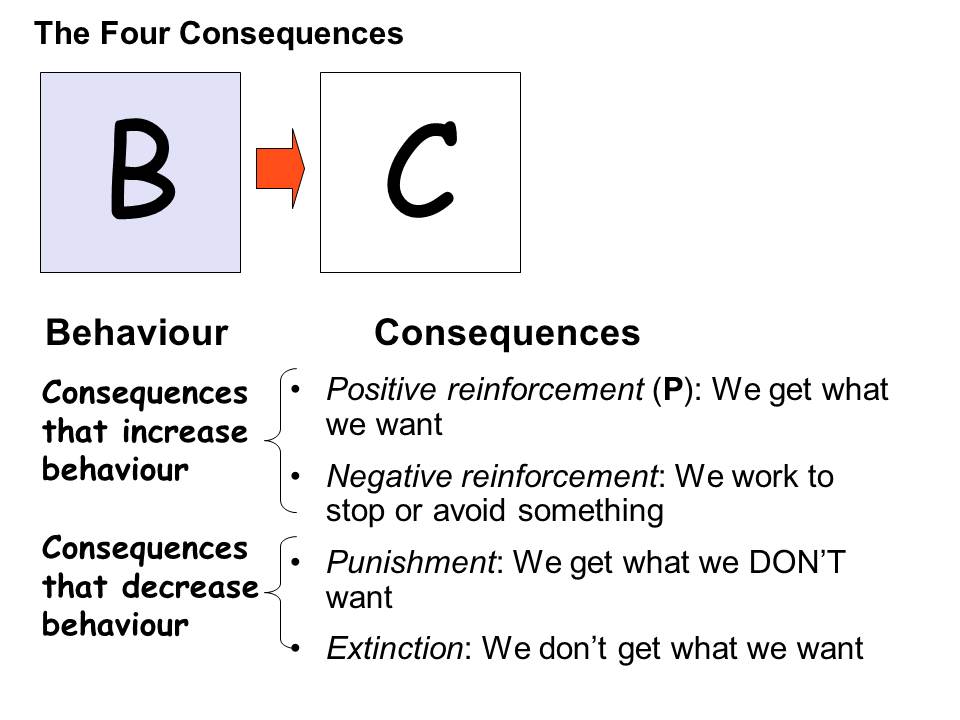
Daniels’ approach to positive reinforcement is rooted in the idea that rewarding desired behaviours increases the likelihood of their repetition, while ignoring or addressing unwanted behaviours helps to diminish them. By focusing on reinforcing positive actions, individuals are motivated to continue performing well and strive for excellence.
One of the key principles of Daniels’ philosophy is that reinforcement should be immediate, specific, and consistent. This means that rewards should be delivered promptly after the desired behaviour occurs, clearly linked to the action being reinforced, and applied consistently over time.
Through his work, Aubrey Daniels has demonstrated the transformative power of positive reinforcement in improving performance, increasing productivity, and fostering a positive work environment. By creating a culture of recognition and reward, organisations can inspire their employees to excel and achieve their full potential.
Whether in the workplace, schools, or even at home with pets, Aubrey Daniels’ approach to positive reinforcement offers a valuable framework for encouraging desirable behaviours and creating lasting change. By focusing on what individuals do right and providing meaningful rewards for their efforts, we can cultivate a culture of positivity and success.
As we continue to explore the impact of positive reinforcement on behaviour and performance, Aubrey Daniels remains a leading voice in advocating for its benefits. His insights have helped countless individuals and organisations unlock their potential through the power of positive reinforcement.
8 Essential Tips for Effectively Applying Aubrey Daniels’ Positive Reinforcement Techniques
- Clearly define the desired behaviour that you want to reinforce.
- Provide immediate reinforcement when the desired behaviour occurs.
- Use a variety of reinforcers to maintain motivation and interest.
- Ensure that the reinforcement is perceived as valuable by the individual receiving it.
- Be consistent in applying positive reinforcement to encourage sustained behaviour change.
- Avoid using punishment or negative consequences as they can undermine positive reinforcement efforts.
- Monitor progress regularly and adjust reinforcement strategies as needed.
- Celebrate successes and acknowledge efforts made towards achieving goals.
Clearly define the desired behaviour that you want to reinforce.
In Aubrey Daniels’ approach to positive reinforcement, a crucial tip is to clearly define the desired behaviour that you want to reinforce. By establishing specific and measurable criteria for what constitutes the desired behaviour, individuals are better equipped to understand what is expected of them and how they can earn positive reinforcement. This clarity not only helps in effectively communicating expectations but also enables individuals to focus their efforts on exhibiting the desired behaviour consistently, leading to greater success in achieving behavioural goals.
Provide immediate reinforcement when the desired behaviour occurs.
In Aubrey Daniels’ approach to positive reinforcement, a crucial tip emphasises the importance of providing immediate reinforcement when the desired behaviour occurs. By promptly rewarding positive actions, individuals are more likely to associate their behaviour with the reward, reinforcing the desired behaviour and increasing the likelihood of its repetition. This principle highlights the significance of timely feedback and recognition in shaping behaviour effectively and fostering a culture of continuous improvement and motivation.
Use a variety of reinforcers to maintain motivation and interest.
Utilising a diverse range of reinforcers is a key strategy in Aubrey Daniels’ positive reinforcement approach to sustain motivation and engagement. By offering a variety of rewards that cater to individual preferences and interests, one can effectively maintain enthusiasm and encourage continued effort towards desired behaviours. This practice not only keeps the reinforcement process dynamic and engaging but also ensures that individuals remain motivated and inspired to achieve their goals.
Ensure that the reinforcement is perceived as valuable by the individual receiving it.
In Aubrey Daniels’ approach to positive reinforcement, a crucial aspect to consider is ensuring that the reinforcement provided is perceived as valuable by the individual receiving it. By tailoring rewards to align with the preferences and motivations of the individual, we can maximise the effectiveness of positive reinforcement in shaping behaviour. This personalised approach not only increases the likelihood of desired behaviours being repeated but also fosters a sense of satisfaction and engagement in the reinforcement process. Recognising and delivering rewards that hold significance to the individual helps to strengthen their intrinsic motivation and reinforces a positive connection between actions and outcomes.
Be consistent in applying positive reinforcement to encourage sustained behaviour change.
Consistency is key when applying Aubrey Daniels’ positive reinforcement techniques to encourage sustained behaviour change. By consistently rewarding desired behaviours and providing positive feedback, individuals are more likely to understand the link between their actions and the rewards they receive. This reinforcement helps to reinforce the behaviour over time, leading to lasting changes and a more positive outcome. By maintaining a consistent approach to positive reinforcement, we can effectively shape behaviour and promote long-term success.
Avoid using punishment or negative consequences as they can undermine positive reinforcement efforts.
In Aubrey Daniels’ approach to positive reinforcement, a crucial tip is to steer clear of employing punishment or negative consequences, as they have the potential to undercut the effectiveness of reinforcing positive behaviours. By focusing solely on rewarding and encouraging desired actions, without resorting to punitive measures, individuals are more likely to feel motivated and empowered to continue exhibiting those behaviours. Emphasising positivity and recognition over negativity helps create a supportive environment that nurtures growth and success.
Monitor progress regularly and adjust reinforcement strategies as needed.
Monitoring progress regularly and adjusting reinforcement strategies as needed are crucial aspects of implementing Aubrey Daniels’ positive reinforcement approach effectively. By regularly assessing the outcomes of the reinforcement techniques applied, individuals can identify what is working well and what may need modification. This proactive approach allows for continuous improvement and ensures that the reinforcement strategies remain aligned with the desired behavioural goals. Adapting to changing circumstances and fine-tuning the reinforcement methods based on real-time feedback enhances the overall effectiveness of positive reinforcement in shaping behaviour positively.
Celebrate successes and acknowledge efforts made towards achieving goals.
In Aubrey Daniels’ approach to positive reinforcement, celebrating successes and acknowledging efforts made towards achieving goals plays a crucial role in motivating individuals to excel. By recognising and rewarding achievements, whether big or small, we reinforce the desired behaviours and encourage continuous improvement. This practice not only boosts morale and confidence but also fosters a culture of appreciation and growth, inspiring individuals to strive for excellence and reach their full potential.