
How a Search Engine Marketing Agency Can Help Your Business Grow
When people need a product or service, many begin with a search engine. Appearing prominently in search results can help your business reach potential customers at the moment they are looking for what you offer. A search engine marketing agency can plan and manage campaigns designed to improve that visibility and turn relevant searches into meaningful business enquiries.
What is search engine marketing?
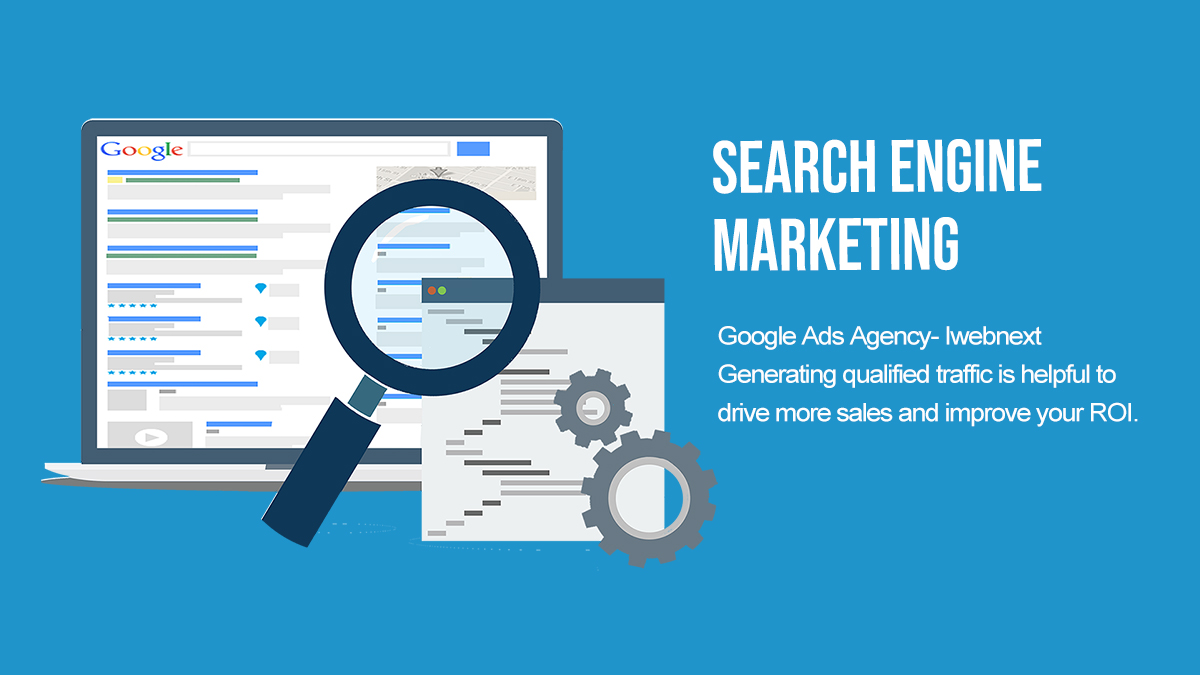
Search engine marketing, often shortened to SEM, is the promotion of a website through search engines. The term is commonly used to describe paid search advertising, such as pay-per-click (PPC) campaigns. These adverts can appear above or alongside organic search results, and advertisers typically pay when someone clicks on an advert.
SEM is sometimes used more broadly to include search engine optimisation (SEO), which aims to improve a website’s unpaid visibility over time. Although paid search and SEO work in different ways, both can form part of a wider search marketing strategy.
What does a search engine marketing agency do?
An agency can support your business at each stage of a paid search campaign, from initial planning through to ongoing optimisation. Services may include:
- Campaign strategy: setting objectives, identifying target audiences and choosing suitable search platforms.
- Keyword research: finding the search terms potential customers use and assessing their relevance, competition and likely cost.
- Campaign setup: organising adverts, keywords, locations, budgets and bidding strategies.
- Advert creation: writing clear, relevant copy that reflects the searcher’s needs and encourages an appropriate next step.
- Landing page recommendations: helping ensure that the page people reach matches the advert and makes it easy to enquire or buy.
- Tracking and reporting: measuring activity such as clicks, enquiries, purchases and cost per result.
- Ongoing optimisation: reviewing performance and adjusting campaigns, bids, keywords and adverts to improve results.
Why work with a search engine marketing agency?
Managing search campaigns takes time and requires regular attention. An agency can bring specialist knowledge of campaign structure, bidding, keyword targeting and performance analysis. This can be particularly useful for businesses that do not have an in-house marketing team or want additional support with their existing activity.
Paid search can also offer a relatively direct way to reach people who are actively looking for a particular service or product. Campaigns can be targeted by location, device, schedule and other factors, depending on the platform and campaign type. With suitable tracking in place, businesses can assess which activity is contributing to their objectives.
However, advertising does not guarantee sales or enquiries. Results depend on factors such as demand, competition, budget, the quality of the offer and the experience visitors have on the website. A responsible agency will explain these variables and set realistic expectations.
How to choose the right agency
Choosing a search engine marketing agency is about more than comparing fees. Look for a partner that takes time to understand your business, customers and goals. Before making a decision, consider the following:
- Relevant experience: Ask whether the agency has worked with businesses of a similar size, sector or campaign complexity.
- Clear communication: You should understand what the agency will manage, how often you will receive updates and who will be your main contact.
- Transparent reporting: Reports should explain performance in plain language and relate results to your business objectives.
- Account ownership: Confirm who owns the advertising account, campaign data and any creative assets.
- Measurement approach: Ask how conversions will be tracked and how the agency will check that the data is reliable.
- Realistic recommendations: Be cautious of guaranteed rankings, guaranteed sales or promises of specific results without a proper assessment.
What to expect when starting a campaign
A good campaign usually begins with a discovery and planning stage. The agency will ask about your products or services, target customers, geographical reach, competitors and budget. It may also review your website, existing analytics and any previous advertising activity.
Once the campaign is live, performance should be monitored regularly. Early data can help identify irrelevant searches, effective keywords and opportunities to improve adverts or landing pages. Some changes may have an immediate effect, while it can take time to gather enough information to make confident decisions.
Agreeing clear objectives from the outset helps everyone assess progress. These might include qualified enquiries, online sales, bookings, phone calls or another action that matters to your business. Clicks and impressions can provide useful context, but they should not be treated as the sole measure of success.
Getting the most from search engine marketing
Paid search works best when campaigns are closely aligned with the customer journey. Relevant keywords should lead to adverts that set accurate expectations, and those adverts should take visitors to useful, easy-to-navigate pages. A clear offer and a straightforward way to get in touch or complete a purchase can make a significant difference.
It is also important to treat search marketing as an ongoing process rather than a one-off setup. Search behaviour, competition and business priorities can change. Regular reviews help keep campaigns relevant and ensure that budgets are being directed towards the most valuable opportunities.
Is a search engine marketing agency right for your business?
An agency may be a good fit if you want to increase your visibility in search results, reach customers with clear intent or make better use of paid search advertising. The right partner will offer a considered strategy, explain its work clearly and focus on outcomes that support your wider business goals.
Before choosing an agency, take time to discuss your objectives, budget and expectations. A well-managed search engine marketing campaign cannot guarantee success, but careful planning, relevant targeting and consistent measurement can help your business make more informed decisions about its online advertising.
5 Benefits of Working with a Search Engine Marketing Agency
- Reaches customers actively searching for your services.
- Targets campaigns by location, audience and budget.
- Provides measurable results and clear performance data.
- Optimises adverts to improve campaign efficiency.
- Frees up your team to focus on your business.
Five Drawbacks of Hiring a Search Engine Marketing Agency
- Agency fees can be expensive.
- Results may take time to improve.
- Poor management can waste ad spend.
- You may rely on external expertise.
- Campaign success is not guaranteed.
Reaches customers actively searching for your services.
A search engine marketing agency can help your business reach people who are already searching online for the services you offer. By targeting relevant search terms, your adverts can appear at the moment potential customers are looking for a solution, making your marketing more timely and relevant. This can help attract visitors with a clear interest in your services and create more opportunities for enquiries or bookings.
Targets campaigns by location, audience and budget.
A search engine marketing agency can tailor campaigns to reach the right people in the right places while keeping spending within your budget. By setting geographic targeting, refining audiences and adjusting bids, the agency can focus your advertising on areas and potential customers most relevant to your business. This helps make campaign spend more controlled and purposeful, although results will depend on factors such as competition, demand and the strength of your offer.
Provides measurable results and clear performance data.
A search engine marketing agency provides measurable results and clear performance data, helping you see how your campaigns are performing. With tracking and regular reporting, you can monitor metrics such as clicks, enquiries, sales and cost per conversion, rather than relying on guesswork. This insight makes it easier to understand which keywords and adverts are delivering value, where your budget is being spent and what could be improved.
Optimises adverts to improve campaign efficiency.
A search engine marketing agency continually reviews and refines your adverts to improve campaign efficiency. By analysing performance data, the agency can adjust targeting, keywords, bidding and advert copy to focus your budget on the searches most likely to deliver valuable results. This ongoing optimisation can help reduce wasted spend and make better use of your advertising investment.
Frees up your team to focus on your business.
Working with a search engine marketing agency frees up your team to focus on running and growing your business. Rather than spending valuable time researching keywords, managing adverts and analysing campaign data, your staff can concentrate on their core responsibilities. The agency handles the day-to-day campaign work, while keeping you informed about progress and results.
Agency fees can be expensive.
Agency fees can be expensive, particularly for small businesses or those working with a limited marketing budget. In addition to the agency’s management fee, you’ll usually need to pay for the advertising itself, so costs can add up quickly. Before signing a contract, check exactly what the fee covers, ask about any extra charges and make sure the proposed budget is realistic for your business.
Results may take time to improve.
One potential drawback of working with a search engine marketing agency is that results may take time to improve. Campaigns often need a period of research, testing and refinement before it becomes clear which keywords, adverts and landing pages perform best. Competition, budget and the quality of a website can also affect progress, so businesses should set realistic expectations and avoid assuming that stronger results will happen overnight.
Poor management can waste ad spend.
Poorly managed search engine marketing can quickly waste your advertising budget. If campaigns target irrelevant keywords, use unsuitable bidding strategies or fail to track meaningful conversions, your ads may attract clicks without generating valuable enquiries or sales. Regular monitoring and careful optimisation are essential to ensure spend is directed towards the searches and audiences most likely to support your business goals.
You may rely on external expertise.
One potential drawback of working with a search engine marketing agency is becoming reliant on external expertise. If campaign knowledge, account access and performance data sit mainly with the agency, your business may find it difficult to manage activity independently or switch providers smoothly. To reduce this risk, keep ownership of your advertising accounts and data, request clear documentation, and make sure your team understands the campaign’s objectives and key decisions.
Campaign success is not guaranteed.
Working with a search engine marketing agency does not guarantee campaign success. Results can be affected by factors beyond the agency’s control, including competition, changes in search behaviour, advertising costs, the strength of your offer and the quality of your website. Even a carefully managed campaign may take time to produce useful results, and some approaches may not perform as expected. A reputable agency should set realistic expectations, explain how performance will be measured and use campaign data to make informed adjustments.