
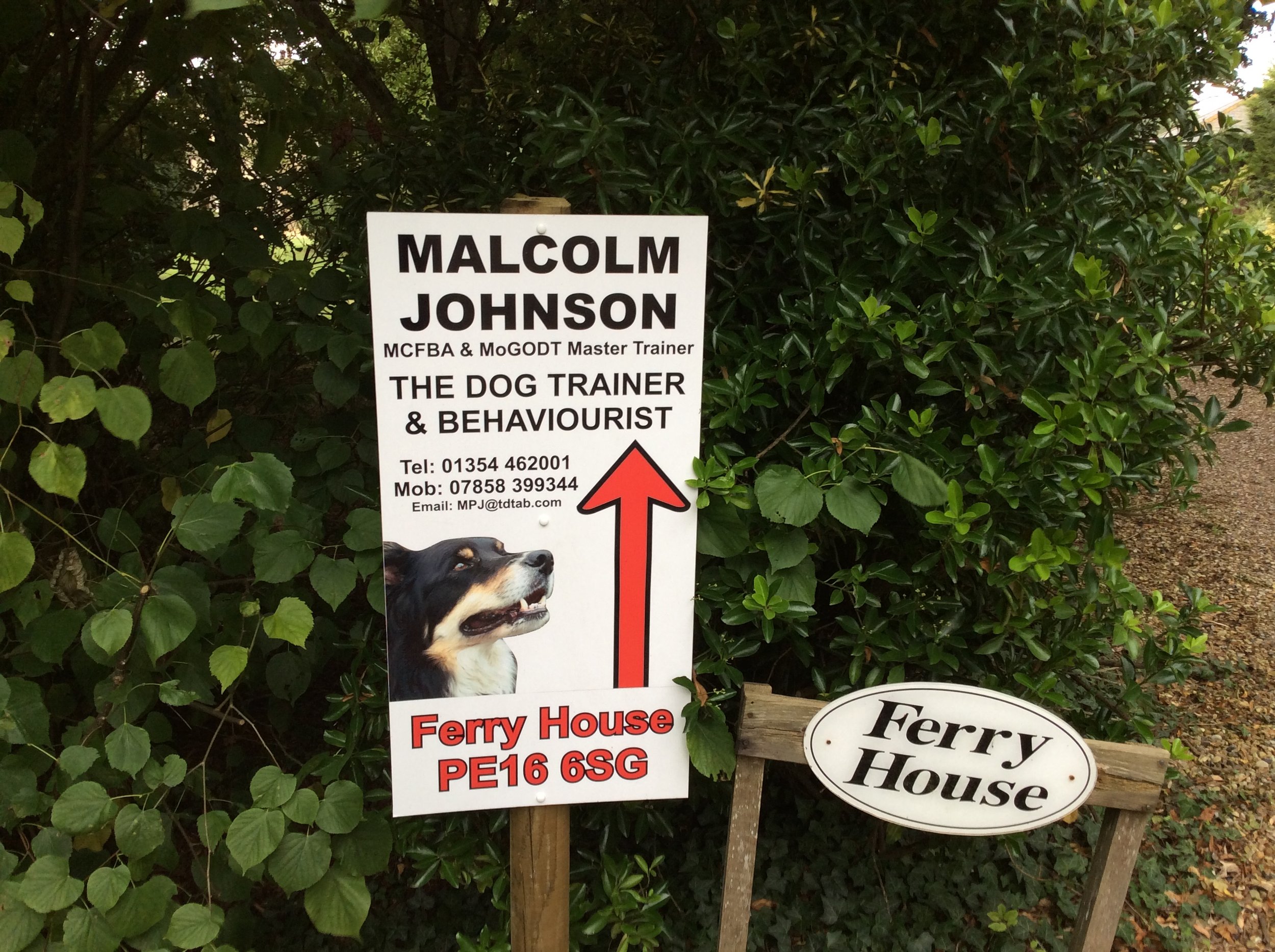
The Dog Trainer and Behaviourist: Helping Dogs and Their Owners Thrive
Living with a dog can bring great joy, but training and behaviour challenges can sometimes make everyday life difficult. A dog trainer or behaviourist can help owners understand their dog, build useful skills and work towards a calmer, more rewarding relationship.
What does a dog trainer do?
A dog trainer teaches practical skills and behaviours. This may include walking on a lead, coming back when called, settling at home, greeting people calmly or learning basic cues such as “sit” and “stay”. Training can also help puppies become comfortable with everyday experiences and support older dogs as they learn new routines.
Good training is not simply about getting a dog to obey. It involves clear communication, patience and rewards that motivate the individual dog. Sessions may take place at home, outdoors, in a group class or online, depending on the dog’s needs and the skills being taught.
What does a dog behaviourist do?
A dog behaviourist focuses on the reasons behind a dog’s behaviour and helps owners make safe, practical changes. They may work with concerns such as fear, anxiety, reactivity, guarding, separation-related difficulties or aggression.
Behaviour work usually begins with gathering information about the dog’s history, health, environment and daily routine. The behaviourist may observe the dog and ask owners to describe what happens before, during and after a particular behaviour. From there, they can suggest a plan designed to reduce stress, prevent situations from becoming harder and help the dog learn alternative responses.
Trainer or behaviourist: which do you need?
The terms are sometimes used together, and the services offered can overlap. As a general guide, a trainer may be the right choice for teaching everyday skills or improving manners. A behaviourist may be more appropriate when a behaviour is rooted in fear, distress or risk to people or other animals.
If you are unsure, explain what is happening when you contact a professional. They should be able to tell you whether their experience is suitable for your situation or recommend someone with the right expertise.
What does humane, effective training involve?
Ethical training aims to teach without causing unnecessary fear, pain or distress. It commonly uses reward-based methods, such as food, toys, praise or access to enjoyable activities, to encourage behaviours owners want to see more often.
A professional should explain the proposed approach, set realistic expectations and adapt the plan to the dog in front of them. They should also be willing to work at a pace the dog can manage. Methods based on intimidation or punishment can damage trust and may make some behaviour problems worse.
When should you seek help?
Consider speaking to a qualified professional if your dog’s behaviour is worrying you, affecting daily life or putting anyone at risk. Early support can be useful, but it is never too late to ask for help. Avoid deliberately provoking a dog to “test” its response, especially if there is a risk of a bite.
A sudden change in behaviour can sometimes be linked to pain or illness. Contact your vet if your dog’s behaviour changes unexpectedly, if they seem uncomfortable or if you have concerns about their health. A trainer or behaviourist may work alongside your veterinary practice where appropriate.
How to choose a dog professional
In the UK, the titles “dog trainer” and “dog behaviourist” are not protected in the same way as some regulated professional titles. It is therefore sensible to check a person’s education, practical experience, ongoing professional development and approach to animal welfare. Membership of a recognised professional organisation can offer additional information, but it is still worth asking questions directly.
Before booking, you might ask:
- What experience do you have with this type of concern?
- How do you assess a dog’s needs?
- What methods do you use, and how will you keep my dog comfortable?
- Will you provide a written plan or guidance between sessions?
- Do you work with veterinary professionals when needed?
A good professional will listen carefully, explain their recommendations clearly and avoid promising a quick fix. Progress depends on the dog, the situation and how consistently the plan can be followed. Owners should feel able to ask questions and raise concerns throughout the process.
Building a better relationship
Training and behaviour support are about more than changing a dog’s actions. They can help owners recognise what their dog is communicating, make the environment easier to manage and build habits that work for everyone. With thoughtful guidance, realistic goals and a kind approach, dogs and their families can make steady progress together.
Top 5 Tips for Choosing the Right Dog Trainer and Behaviourist
- Choose a trainer who uses reward-based methods.
- Check their qualifications and experience.
- Ask how they assess your dog’s behaviour.
- Avoid anyone who relies on fear or punishment.
- Seek a vet’s advice for sudden behaviour changes.
Choose a trainer who uses reward-based methods.
Choose a trainer who uses reward-based methods, such as treats, toys or praise, to encourage the behaviours you want to see. These approaches help your dog learn through positive experiences and can build trust and confidence. Ask the trainer to explain how they work, and avoid methods that rely on fear, pain or intimidation.
Check their qualifications and experience.
Before choosing a dog trainer or behaviourist, check their qualifications, practical experience and approach to animal welfare. Look for relevant training, ongoing professional development and experience with issues similar to yours, and ask how they work with dogs and their owners. As the titles “dog trainer” and “behaviourist” are not legally protected in the UK, it’s important to make sure their methods are kind, evidence-informed and suited to your dog.
Ask how they assess your dog’s behaviour.
Ask how the dog trainer or behaviourist assesses your dog’s behaviour before recommending a plan. A thorough assessment should consider your dog’s history, health, environment, routine and the situations in which the behaviour occurs. This helps identify possible triggers and ensures the advice is tailored to your dog, rather than relying on a one-size-fits-all approach.
Avoid anyone who relies on fear or punishment.
Choose a dog trainer or behaviourist who uses kind, reward-based methods, and avoid anyone who relies on fear, intimidation or physical punishment. These approaches can damage your dog’s trust and may increase stress or worsen unwanted behaviour. A reputable professional should explain their methods clearly, help your dog feel safe and tailor their advice to your dog’s individual needs.
Seek a vet’s advice for sudden behaviour changes.
If your dog’s behaviour changes suddenly, speak to your vet before assuming it is a training issue. Pain, illness or other health problems can affect how a dog acts, and a veterinary check can help identify or rule out medical causes. Once your dog’s health has been assessed, your vet can advise whether support from a dog trainer or behaviourist may also be helpful.