
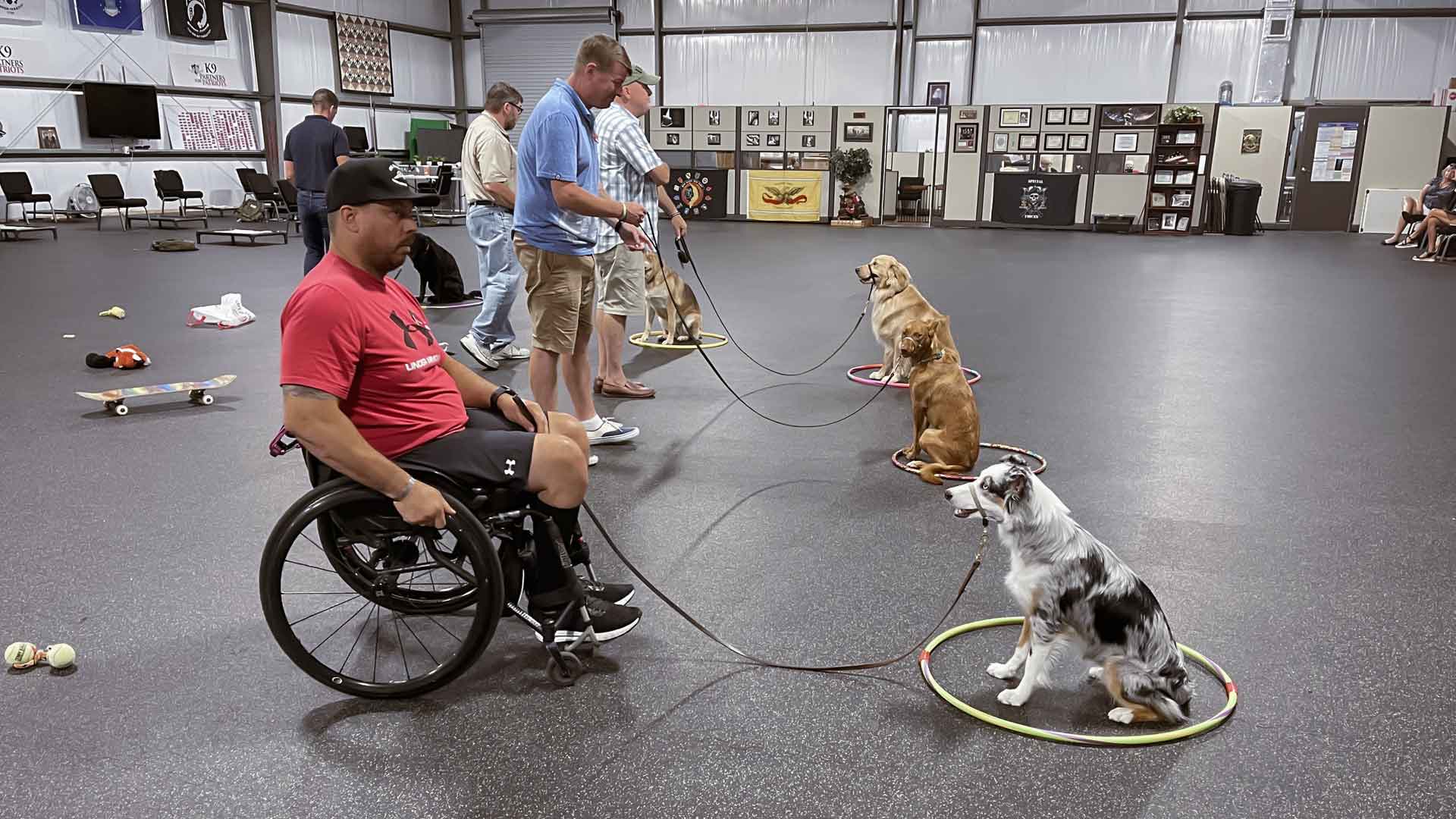
The Benefits of Canine Therapy Dog Training
Canine therapy dog training is a specialised form of training that focuses on preparing dogs to provide emotional support and comfort to individuals in need. These specially trained dogs, known as therapy dogs, play a crucial role in various settings, including hospitals, nursing homes, schools, and rehabilitation centres.
One of the key benefits of canine therapy dog training is the positive impact it has on the mental and emotional well-being of individuals. Interacting with therapy dogs has been shown to reduce stress, anxiety, and feelings of loneliness. The presence of a friendly and non-judgemental dog can create a calming effect and promote feelings of relaxation and happiness.
In addition to providing emotional support, therapy dogs can also help improve physical health. Studies have demonstrated that petting a dog can lower blood pressure, reduce heart rate, and release endorphins that promote feelings of well-being. This physical interaction with a therapy dog can be particularly beneficial for individuals undergoing medical treatments or recovering from injuries.
Canine therapy dog training involves teaching dogs specific skills to ensure they are well-behaved and adaptable in various environments. Therapy dogs are trained to remain calm in stressful situations, interact politely with people of all ages, and follow commands reliably. These skills enable them to provide comfort and assistance to individuals in a professional manner.
Overall, canine therapy dog training plays a vital role in improving the quality of life for many people. Whether it’s offering companionship to elderly residents in a care home or supporting children with special needs in a school setting, therapy dogs have a remarkable ability to bring joy and comfort to those they encounter.
If you are interested in learning more about canine therapy dog training or would like to explore the possibility of incorporating therapy dogs into your organisation or facility, contact us today. Together, we can make a positive difference in the lives of those who need it most.
Essential Tips for Training Your Dog as a Therapy Companion
- Start with basic obedience training to ensure your dog has good manners and listens to commands.
- Expose your dog to various environments, sounds, and people to help them become well-adjusted in different situations.
- Teach your dog specific therapy tasks such as sitting quietly for petting and walking on a loose leash.
- Practice positive reinforcement techniques to encourage good behaviour and build a strong bond with your dog.
- Consider enrolling in a therapy dog training program or seeking guidance from professional trainers experienced in this field.
- Regularly assess your dog’s temperament and well-being to ensure they are comfortable and enjoying the therapy work.
Start with basic obedience training to ensure your dog has good manners and listens to commands.
To lay a strong foundation for canine therapy dog training, it is essential to begin with basic obedience training. This initial step helps ensure that your dog develops good manners and learns to listen and respond to commands effectively. By mastering fundamental obedience skills, such as sitting, staying, and walking on a leash, your dog can build the necessary discipline and focus required to excel in more advanced therapy dog training tasks. Establishing a solid obedience framework not only enhances the bond between you and your dog but also sets the stage for successful therapy work by promoting reliability and cooperation in various environments.
Expose your dog to various environments, sounds, and people to help them become well-adjusted in different situations.
To ensure your dog is well-prepared for their role as a therapy dog, it is essential to expose them to a wide range of environments, sounds, and people during their training. This exposure helps them become well-adjusted and confident in different situations they may encounter while providing therapy. By familiarising your dog with diverse stimuli, you can help them develop the resilience and adaptability needed to offer effective support and comfort to individuals in need.
Teach your dog specific therapy tasks such as sitting quietly for petting and walking on a loose leash.
In canine therapy dog training, it is essential to teach your dog specific therapy tasks that will enable them to interact effectively with individuals in need of emotional support. By focusing on tasks such as sitting quietly for petting and walking on a loose leash, you can help your dog develop the necessary skills to maintain a calm and composed demeanour in various environments. These tasks not only enhance the bond between the therapy dog and those they assist but also ensure that interactions are safe and comfortable for all parties involved. By incorporating these fundamental skills into your training regimen, you are setting the foundation for a successful therapy dog partnership that can bring comfort and joy to many.
Practice positive reinforcement techniques to encourage good behaviour and build a strong bond with your dog.
When engaging in canine therapy dog training, it is essential to utilise positive reinforcement techniques to cultivate good behaviour and establish a strong connection with your dog. By rewarding desired actions with praise, treats, or playtime, you can motivate your dog to exhibit the behaviours you desire while strengthening the bond between you. This approach not only fosters a harmonious training environment but also enhances the trust and respect between you and your canine companion, laying the foundation for a successful therapy dog partnership.
Consider enrolling in a therapy dog training program or seeking guidance from professional trainers experienced in this field.
When embarking on the journey of canine therapy dog training, it is highly recommended to consider enrolling in a therapy dog training program or seeking guidance from professional trainers who are experienced in this specialised field. These programs and experts can provide valuable knowledge and skills necessary to train your dog effectively as a therapy animal. By enrolling in a structured training program or consulting with seasoned professionals, you can ensure that your dog receives the proper training and preparation needed to excel in their role as a therapy dog, ultimately enhancing their ability to provide comfort and support to those in need.
Regularly assess your dog’s temperament and well-being to ensure they are comfortable and enjoying the therapy work.
It is crucial to regularly assess your dog’s temperament and well-being when engaging in canine therapy dog training. By monitoring your dog’s comfort and enjoyment during therapy work, you can ensure that they are happy and content in their role as a therapy dog. Paying attention to your dog’s behaviour, body language, and overall demeanour allows you to make necessary adjustments to the training or environment to support their well-being. Prioritising your dog’s emotional and physical needs ultimately contributes to the success and effectiveness of their therapy work, benefiting both the recipients of their support and your canine companion.