
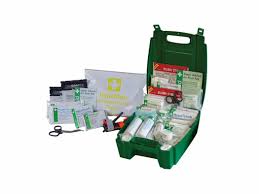
The Importance of First Aid: A Guide to Saving Lives
First aid is a crucial skill that can make a significant difference in emergency situations. Whether at home, work, or in public spaces, knowing how to administer basic first aid can save lives and prevent further harm.
Immediate response during medical emergencies such as accidents, injuries, or sudden illnesses can be the key to a positive outcome. By providing prompt and appropriate first aid, you can stabilise a person’s condition until professional medical help arrives.
Basic first aid techniques include assessing the situation, checking for responsiveness, performing CPR if necessary, controlling bleeding, immobilising injuries, and providing comfort and reassurance to the affected individual.
Training in first aid equips individuals with the knowledge and skills needed to respond effectively in various emergency scenarios. Courses are available for people of all ages and backgrounds, from school children to workplace employees.
By learning first aid, you become a valuable asset in your community by being able to assist those in need during critical moments. Your quick actions could mean the difference between life and death.
Remember, emergencies can happen anytime and anywhere. Being prepared with first aid knowledge is not only beneficial but essential for safeguarding yourself and others in times of crisis.
Essential First Aid: 9 Crucial Tips for Effective Emergency Response
- Assess the situation before approaching the casualty.
- Ensure your safety and the safety of others before providing aid.
- Call for emergency services if needed before administering first aid.
- Follow the DRABC (Danger, Response, Airway, Breathing, Circulation) protocol.
- Control any bleeding by applying pressure to the wound with a clean cloth.
- Do not remove any embedded objects from wounds as this can cause further damage.
- If someone is unconscious, place them in the recovery position to maintain an open airway.
- For burns, cool the affected area with running water for at least 10 minutes.
- Attend regular first aid training courses to stay updated on best practices.
Assess the situation before approaching the casualty.
Before approaching a casualty in need of first aid, it is crucial to assess the situation carefully. By taking a moment to evaluate the surroundings and potential risks, you can ensure your safety as well as that of the injured individual. Look out for any hazards such as traffic, fire, or unstable structures that may pose a danger. Assessing the situation allows you to make informed decisions on how best to approach and assist the casualty effectively and safely.
Ensure your safety and the safety of others before providing aid.
When it comes to administering first aid, ensuring your safety and the safety of others is paramount. Before rushing to provide aid in an emergency situation, it is crucial to assess the environment for any potential hazards that could pose a risk. By taking a moment to secure the area and protect yourself from harm, you can effectively prevent further injuries and create a safer space for administering assistance to those in need. Remember, your well-being is essential in order to provide effective aid to others.
Call for emergency services if needed before administering first aid.
In the event of a medical emergency, it is crucial to prioritise the safety and well-being of the individual in need. Before administering first aid, always remember to call for emergency services immediately. Promptly contacting professional medical help ensures that the appropriate resources and expertise are on their way to provide advanced care. By following this vital step, you can ensure that the individual receives timely and comprehensive assistance, increasing their chances of a positive outcome.
Follow the DRABC (Danger, Response, Airway, Breathing, Circulation) protocol.
Following the DRABC (Danger, Response, Airway, Breathing, Circulation) protocol is a crucial step in providing effective first aid in emergency situations. By assessing for danger, checking for a response from the casualty, ensuring an open airway, monitoring breathing, and evaluating circulation, you can quickly determine the severity of the situation and take appropriate actions to stabilise the individual’s condition. This systematic approach helps prioritise interventions and maximise the chances of a positive outcome for the person in need of assistance.
Control any bleeding by applying pressure to the wound with a clean cloth.
To effectively manage bleeding in a first aid situation, it is crucial to apply pressure to the wound using a clean cloth. By doing so, you can help stem the flow of blood and promote clotting, which aids in stopping the bleeding. Applying pressure to the wound with a clean cloth not only helps control the loss of blood but also reduces the risk of infection. Remember, swift and proper action in controlling bleeding can make a significant difference in providing immediate care until professional medical assistance is available.
Do not remove any embedded objects from wounds as this can cause further damage.
When providing first aid, it is important to remember not to remove any embedded objects from wounds, as doing so can lead to further damage and increased bleeding. Objects such as splinters, glass shards, or debris should be left in place until medical professionals can safely remove them. Removing embedded objects incorrectly can cause complications and worsen the injury. It is best to stabilise the object and seek immediate medical attention to ensure proper treatment and prevent additional harm.
If someone is unconscious, place them in the recovery position to maintain an open airway.
In the event that someone is unconscious, it is crucial to place them in the recovery position to ensure that their airway remains clear and unobstructed. This position helps prevent the tongue from blocking the air passage, allowing the person to breathe freely. By gently rolling the individual onto their side with their upper leg bent and supporting their head, you can help maintain a clear airway and reduce the risk of complications while waiting for medical assistance.
For burns, cool the affected area with running water for at least 10 minutes.
In cases of burns, it is crucial to act swiftly by cooling the affected area with running water for a minimum of 10 minutes. This immediate response helps to alleviate pain, reduce swelling, and prevent further damage to the skin. By following this simple yet effective first aid tip, you can provide essential relief and promote faster healing for the burn injury.
Attend regular first aid training courses to stay updated on best practices.
It is highly recommended to attend regular first aid training courses to stay updated on best practices. By participating in these courses, you can enhance your first aid skills, learn about the latest techniques and guidelines, and ensure that you are well-prepared to handle emergency situations effectively. Continuous training not only boosts your confidence in providing assistance but also equips you with the knowledge needed to deliver timely and appropriate care when it matters most. Stay informed, stay prepared, and make a difference by staying up-to-date with first aid training.