
SEM and Search Engine Optimisation: A Practical Guide
Search engines are often the first place people go when looking for a product, service or answer. Search engine marketing (SEM) and search engine optimisation (SEO) help businesses reach people at this point of discovery. Although the terms are sometimes used interchangeably, they describe different approaches to appearing in search results.
What is SEM?
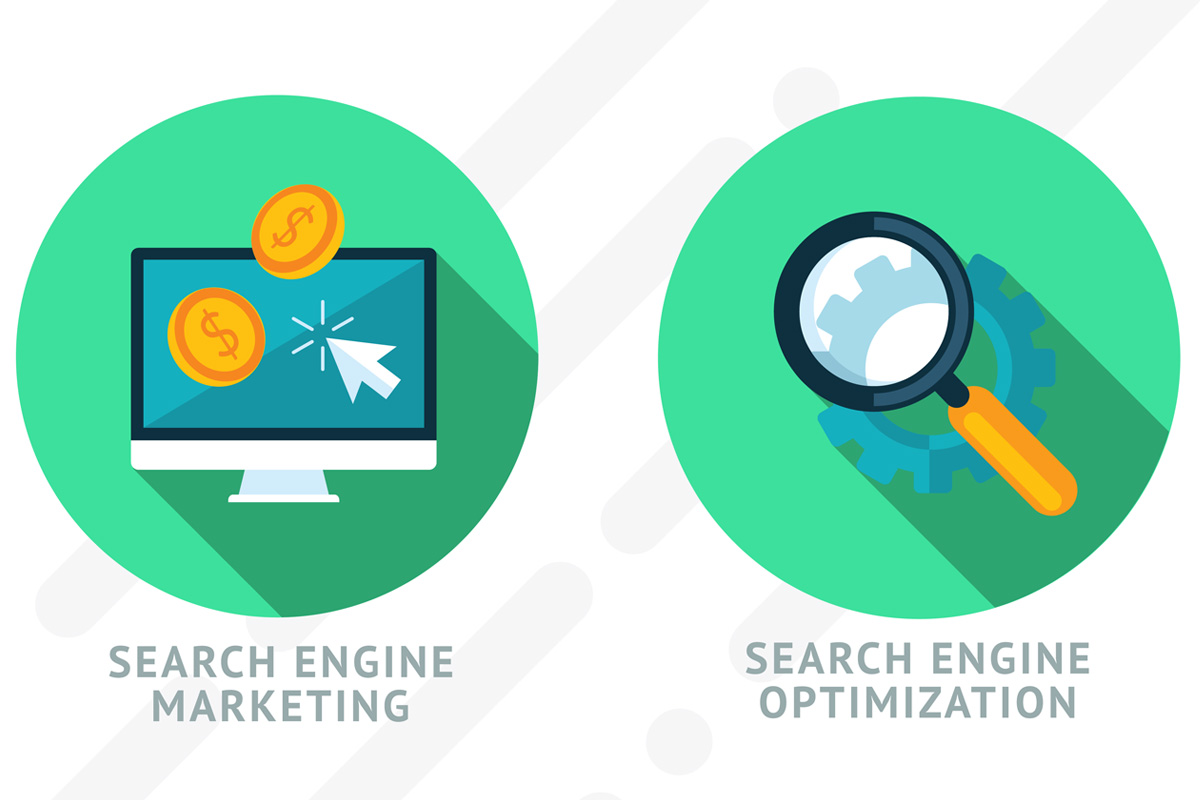
Search engine marketing is the practice of promoting a website through search engines. Today, SEM is commonly used to mean paid search advertising: a business pays to display adverts for selected searches, often through a pay-per-click (PPC) platform. In some contexts, SEM is used more broadly to cover both paid search and organic search activity.
Paid search can put a business in front of potential customers quickly. Advertisers choose targeting options, write adverts and set bids, while the platform decides when and where those adverts appear. Costs and results depend on factors such as competition, relevance, bidding strategy and the quality of the landing page.
What is SEO?
Search engine optimisation is the process of improving a website’s visibility in unpaid, or organic, search results. It involves making a site useful to visitors and easier for search engines to discover, understand and present.
SEO is not a one-off task, nor is it a guarantee of a particular ranking. Search engines continually update how they assess pages, and results can take time. A sustainable approach focuses on serving the needs behind a search rather than trying to manipulate rankings.
Key areas of search engine optimisation
Understand your audience and search intent
Start by researching the words and questions your potential customers use. Consider what they are trying to achieve: they may be seeking information, comparing options or ready to make a purchase. The page should match that intent. A detailed guide may suit an informational search, while a clear service or product page may be more appropriate for someone ready to act.
Create helpful, well-organised content
Pages should answer the reader’s question clearly and accurately. Use descriptive headings, concise paragraphs and examples where they help explain a subject. Keep information up to date, make claims that can be supported, and avoid repeating keywords unnaturally. Content written for people is more likely to be genuinely useful than copy created simply to include search terms.
Improve on-page elements
Clear page titles, headings, URLs and meta descriptions help people and search engines understand what a page is about. Use relevant terms naturally, but make each element specific to the page. Meta descriptions are not a direct ranking guarantee, but a compelling summary can encourage searchers to choose your result.
Make the website technically sound
Search engines need to be able to access and interpret a website. Check that important pages can be crawled and indexed, links work, and duplicate or outdated pages are handled appropriately. A logical site structure, secure browsing, mobile-friendly layouts and fast-loading pages can also improve the experience for visitors.
Build trust and authority
Useful references, clear business information and credible mentions from relevant websites can help demonstrate a site’s value. Links should be earned through worthwhile content, strong products or services and genuine relationships. Buying links or using manipulative schemes can put a website at risk.
How paid search and SEO work together
Paid search and SEO can support different parts of a marketing plan. Advertising can provide immediate visibility and help test which messages or search terms attract attention. SEO can build longer-term organic visibility by improving pages and meeting the needs of searchers. Insights from one channel can inform the other, although paid adverts do not directly improve organic rankings.
The right balance depends on a business’s goals, competition, budget and timescales. A new campaign may use paid search to reach a target audience while organic content is being developed. An established website may focus on improving high-value pages, while using adverts selectively for competitive or time-sensitive searches.
Measuring results
Measure search activity against business objectives, not rankings alone. Useful indicators may include relevant organic visits, leads, sales, conversion rates and the cost of acquiring a customer. For SEO, allow time for changes to take effect and compare performance over a suitable period. For paid search, monitor spend alongside the value and quality of the resulting enquiries or sales.
Accurate measurement depends on sound analytics and conversion tracking. Make sure that the data being collected is appropriate and that website measurement follows applicable privacy and data-protection requirements.
A sustainable approach to search marketing
SEM and SEO are most effective when they are part of a wider, consistent marketing strategy. Set clear goals, understand your audience, create genuinely useful pages and review performance regularly. Search visibility can take time to build, but a focus on relevance, usability and trust gives businesses a stronger foundation for lasting results.
SEO and SEM: 27 Frequently Asked Questions About Search Engine Optimisation and Marketing
- What is SEO and SEM strategy?
- How to use SEM to improve SEO?
- What is SEM vs SEO vs PPC?
- What is the SEM strategy for SEO?
- Can SEO work with SEM?
- Is SEM better than SEO?
- Does SEM help with SEO?
- How does SEM work with SEO?
- What does SEM mean SEO?
- Is Google SEO or SEM?
- Does SEM support SEO?
- How is SEM different than SEO?
- Can SEM help SEO?
- What are examples of SEM?
- What are the 3 types of SEO optimizations?
- What is SEM vs SEO?
- How are SEO and SEM similar?
- Does SEM use SEO?
- What is SEM search engine?
- What is the difference between SEO & SEM?
- Is SEM or SEO better?
- What is SEM strategy?
- Can SEM improve SEO?
- How does SEM contribute to SEO?
- What is better, SEO or SEM?
- Does SEO help SEM?
- Is SEM a search engine?
What is SEO and SEM strategy?
An SEO and SEM strategy is a plan for increasing a website’s visibility in search results. Search engine optimisation (SEO) focuses on improving organic visibility through useful content, technical improvements and a good user experience, while search engine marketing (SEM) commonly refers to paid search adverts that can attract visitors more quickly. A combined strategy sets clear goals, identifies the searches your audience uses and decides how organic and paid activity can work together. Performance should be reviewed using measures such as relevant website visits, enquiries, sales and return on advertising spend.
How to use SEM to improve SEO?
SEM can support SEO by providing useful data, although paid search adverts do not directly improve organic rankings. Use SEM campaigns to test which search terms, advert messages and landing pages attract relevant visitors and conversions, then apply those insights to SEO: create or refine pages around genuine search intent, improve titles and descriptions, and make landing pages more useful. Paid campaigns can also help promote valuable content and build awareness, potentially earning natural mentions and links over time. Measure organic and paid results separately so you can see how each channel contributes.
What is SEM vs SEO vs PPC?
SEM (search engine marketing) is an umbrella term for marketing a business through search engines; it is often used to mean paid search, though some use it to include both paid and organic activity. SEO (search engine optimisation) focuses on improving a website’s visibility in unpaid search results through helpful content, technical improvements and a good user experience. PPC (pay-per-click) is a form of paid advertising where an advertiser is charged when someone clicks an advert, commonly in search results. In short, SEO aims to earn organic visibility, PPC buys targeted visibility, and SEM may refer to paid search alone or the wider combination of both, depending on the context.
What is the SEM strategy for SEO?
An SEM strategy for SEO is a plan for improving a website’s visibility in search engines by combining organic optimisation with paid search advertising. SEO focuses on earning unpaid rankings through useful content, relevant keywords, sound technical performance and a positive user experience, while paid search can provide quicker visibility and help test which search terms and messages attract potential customers. Used together, these approaches can support both immediate campaign goals and longer-term organic growth.
Can SEO work with SEM?
Yes, SEO can work alongside SEM, and the two can complement each other. SEO builds organic visibility over time by improving your website and its content, while paid search can deliver quicker visibility for selected searches. Insights from paid campaigns, such as which keywords and messages attract relevant visitors, can help inform your SEO strategy. Used together, they can help your business reach potential customers at different stages of their search.
Is SEM better than SEO?
SEM isn’t necessarily better than SEO; the right choice depends on your goals, budget and timescale. Paid search can bring targeted traffic quickly, but it usually stops when your advertising spend ends. SEO takes longer to build, yet can support sustainable visibility in organic search results over time. Many businesses use both: SEM for immediate reach and testing, and SEO for long-term growth.
Does SEM help with SEO?
SEM can support SEO, but paid search advertising does not directly improve a website’s organic rankings. It can provide useful data on which search terms and advert messages attract clicks or enquiries, helping you refine your SEO content and understand audience behaviour. Paid campaigns may also increase brand awareness and bring visitors to your site, while SEO builds organic visibility over time. For the best results, treat SEM and SEO as complementary parts of your search marketing strategy.
How does SEM work with SEO?
SEM and SEO work together to improve a business’s visibility in search results: paid SEM campaigns can generate traffic quickly and help identify effective keywords and messages, while SEO builds organic visibility over time through useful content and a well-optimised website. Insights from paid campaigns can inform SEO priorities, and strong organic pages can support more relevant adverts. However, paying for search adverts does not directly improve organic rankings, so each approach should be measured separately and used to support shared marketing goals.
What does SEM mean SEO?
SEM means search engine marketing, while SEO means search engine optimisation. SEO focuses on improving a website’s visibility in unpaid search results; SEM is often used to describe paid search advertising, although some people use it more broadly to include both paid and organic search marketing. So, SEM does not mean SEO, but SEO can be considered part of a broader search marketing strategy.
Is Google SEO or SEM?
Google is a search engine, not SEO or SEM. SEO (search engine optimisation) improves a website’s visibility in Google’s unpaid, organic results, while SEM (search engine marketing) commonly refers to paid search advertising, such as Google Ads. Both approaches can help businesses reach people searching on Google, but they work in different ways.
Does SEM support SEO?
Yes, SEM can support SEO by helping you understand which keywords, adverts and landing pages attract relevant visitors. Paid search can also provide immediate visibility while your organic search presence develops. However, paying for adverts does not directly improve organic rankings; SEM and SEO are separate channels that work best when their insights and messaging are aligned.
How is SEM different than SEO?
SEM (search engine marketing) is often used to describe paid advertising on search engines, where businesses pay to appear for selected searches and typically pay when someone clicks an advert. SEO (search engine optimisation) focuses on improving a website’s visibility in unpaid, organic search results through useful content, a well-structured site and a good user experience. Paid search can deliver visibility quickly, while SEO usually takes longer to build; the two approaches can work together as part of a wider search marketing strategy.
Can SEM help SEO?
Yes, SEM can support SEO, although paid search adverts do not directly improve organic rankings. SEM campaigns can reveal which search terms, messages and landing pages attract the most interest, helping guide SEO content and keyword research. Paid adverts can also provide immediate visibility while organic rankings develop. Used together, SEM and SEO can give your business a stronger presence in search results and help you reach potential customers at different stages of their decision-making.
What are examples of SEM?
Examples of search engine marketing (SEM) include paid search adverts that appear above or below organic results when someone searches for a relevant term. For instance, a local animal trainer might bid on “dog training in Bristol” so an advert for its services appears to people searching nearby. Other examples include shopping adverts showing products, promoted listings and paid campaigns targeted by location, device or search terms. These adverts are usually charged on a pay-per-click basis, meaning the advertiser pays when someone clicks.
What are the 3 types of SEO optimizations?
The three main types of SEO optimisation are on-page, off-page and technical SEO. On-page SEO focuses on improving the content and elements of individual pages, such as headings, page titles and internal links. Off-page SEO covers actions beyond your website that can build its reputation and authority, including earning relevant links and mentions. Technical SEO improves how search engines crawl, understand and index your site, with areas such as site speed, mobile usability and secure connections. These areas work together to help your website become more accessible, useful and visible in organic search results.
What is SEM vs SEO?
SEM (search engine marketing) is a broad approach to gaining visibility in search results and is often used to describe paid search advertising, where businesses pay to show adverts for relevant searches. SEO (search engine optimisation) focuses on improving a website’s visibility in unpaid, organic results through useful content, sound technical set-up and a good visitor experience. Paid search can deliver visibility quickly while a campaign is running; SEO is generally a longer-term effort. The two can complement each other, but paying for adverts does not directly improve organic rankings.
How are SEO and SEM similar?
SEO and SEM are both ways to improve a business’s visibility in search engines and connect with people looking for relevant information, products or services. Both rely on understanding search terms and user intent, creating relevant landing pages, and measuring performance to guide improvements. The main difference is that SEO focuses on earning unpaid organic visibility, while SEM commonly refers to paid search advertising; used together, they can support a broader search marketing strategy.
Does SEM use SEO?
SEM can include SEO, although the terms are often used differently. SEM is sometimes used as a broad term for marketing through search engines, covering both organic SEO and paid search advertising. However, many businesses and marketers use SEM specifically to mean paid search, with SEO referring to efforts to improve unpaid rankings. The meaning depends on the context, so it is helpful to clarify whether a discussion is about organic optimisation, paid adverts or both.
What is SEM search engine?
SEM stands for search engine marketing: promoting a website through search engines to increase its visibility. It commonly refers to paid search adverts, which appear when people search for selected terms, although some use SEM more broadly to include both paid advertising and organic search engine optimisation (SEO). Unlike SEO, which aims to improve unpaid search rankings over time, paid SEM can provide immediate visibility, with costs usually based on clicks or campaign settings.
What is the difference between SEO & SEM?
SEO (search engine optimisation) improves a website’s visibility in unpaid, organic search results through helpful content, technical improvements and a good user experience. SEM (search engine marketing) is often used to describe paid search advertising, where businesses pay to show adverts for selected searches; in some contexts, it refers more broadly to both paid and organic search marketing. In short, SEO focuses on earning organic visibility over time, while paid SEM can provide visibility more quickly, with costs typically linked to clicks or impressions.
Is SEM or SEO better?
Neither SEM nor SEO is universally better; the right choice depends on your goals, budget and timescale. Paid search (often called SEM) can deliver visibility quickly and offers precise campaign controls, but you pay for clicks and traffic may stop when the budget runs out. SEO focuses on improving unpaid search visibility and can build lasting value over time, although results are rarely immediate or guaranteed. Many businesses benefit from combining the two: use paid search for short-term reach and testing, while investing in useful content and a well-optimised website for sustainable organic growth.
What is SEM strategy?
An SEM strategy is a plan for using search engine marketing to reach people searching for products, services or information relevant to your business. It may include paid search advertising, SEO, or both, depending on your goals and budget. A strong strategy defines the audience and search terms to target, sets clear objectives, creates relevant adverts and landing pages, and measures results such as enquiries, sales and return on investment. It should be reviewed regularly so that campaigns can be adjusted as performance and customer needs change.
Can SEM improve SEO?
SEM can support SEO, but paid search advertising does not directly improve a website’s organic rankings. It can provide useful data about which search terms, adverts and landing pages attract clicks or conversions, helping to guide SEO content and page improvements. Paid campaigns can also increase visibility while organic rankings develop. For the best results, use SEM and SEO as complementary strategies, with separate goals and performance measures.
How does SEM contribute to SEO?
SEM can support SEO by providing insights into the search terms, advert messages and landing pages that attract relevant visitors and enquiries. Paid search campaigns can also help a business gain visibility while its organic rankings develop, and testing different approaches may reveal what resonates with its audience. However, SEM does not directly improve organic rankings; SEO still depends on factors such as useful content, a technically accessible website and a good user experience.
What is better, SEO or SEM?
Neither SEO nor SEM is universally better; the right choice depends on your goals, budget and timescale. SEO aims to build organic visibility over time and can deliver lasting value, while paid search—often called SEM—can generate visibility and traffic more quickly, but requires ongoing spend. For many businesses, the strongest approach is to use both: paid campaigns for immediate or time-sensitive results, alongside SEO to grow sustainable organic traffic.
Does SEO help SEM?
Yes, SEO can support SEM by helping you understand which search terms attract relevant visitors and by improving the usefulness and quality of your landing pages. A well-structured, relevant page can create a better experience for people who click on a paid search advert, potentially helping campaign performance. SEO and paid search are separate channels, however: improving organic rankings does not directly raise advert positions or reduce advertising costs. Used together, they can provide complementary insights and reach people at different stages of their search.
Is SEM a search engine?
No, SEM is not a search engine. SEM stands for search engine marketing: the practice of promoting a website through search engines, most commonly by using paid adverts. Google and Bing are examples of search engines; SEM is a marketing approach that can help a business reach people using them. SEO, or search engine optimisation, focuses on improving a website’s visibility in unpaid search results.