
Animal First Aid Courses: Be Prepared to Help Your Pet
Accidents and sudden illness can happen at any time. Knowing what to do in the first few minutes can help keep an animal calm and safe while you arrange professional veterinary care. An animal first aid course can give pet owners and animal professionals the practical knowledge and confidence to respond appropriately in an emergency.
What is an animal first aid course?
An animal first aid course teaches you how to recognise common emergencies and provide initial care until a veterinary professional can take over. Courses may focus on dogs, cats, horses or other animals, so it is worth checking that the content suits the species you work with or care for.
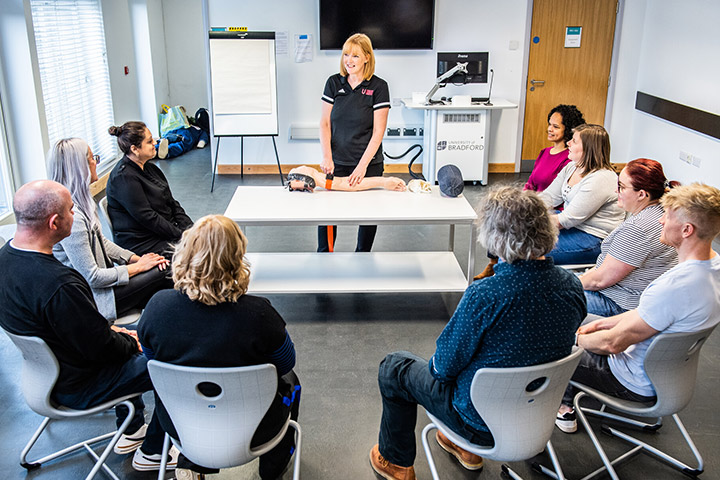
Training usually combines explanations with practical demonstrations. Depending on the course, you may learn how to assess an animal, handle it safely and respond to situations such as bleeding, choking, heat-related illness or suspected poisoning.
What might you learn?
Course content varies, but may include:
- How to approach and handle an injured or frightened animal safely
- How to check breathing, responsiveness and general condition
- How to manage minor wounds and control bleeding while seeking help
- What to do if an animal is choking or struggling to breathe
- How to recognise signs of shock, heatstroke or other urgent problems
- What information to give a veterinary practice when you call
- How to prepare a basic pet first aid kit
Some courses also cover practical skills such as CPR. These techniques are not suitable for every situation, and should only be used in line with your training and the course instructor’s guidance.
Who can benefit from taking a course?
Animal first aid training can be useful for pet owners, dog walkers, groomers, trainers, animal carers and people who volunteer with rescue organisations. It can also be valuable for anyone who regularly looks after animals away from their home, such as at a stable, kennel or day-care setting.
You do not need to work with animals professionally to benefit. A course can help you feel more prepared to recognise when something is wrong and take sensible steps while contacting a vet.
How to choose a course
Before booking, consider the following:
- Species covered: Choose a course that matches the animals you care for.
- Practical learning: Check whether the session includes demonstrations or hands-on practice.
- Trainer experience: Look for clear information about the instructor’s relevant background.
- Course level: Make sure the content is suitable for beginners or meets your professional needs.
- Certificate and assessment: If you need a qualification for work, check what the course certificate represents and whether an assessment is included.
- Up-to-date guidance: Ask how often the course content is reviewed.
Course certificates and recognition can differ, so check with your employer or relevant professional body if you need training for a particular role.
First aid is not a replacement for veterinary care
Animal first aid is intended to provide immediate support, not to diagnose or treat an animal in place of a vet. If an animal is seriously injured, has trouble breathing, collapses, is fitting or may have eaten something toxic, contact a veterinary practice urgently. Do not delay professional care while trying to manage the situation yourself.
It is also sensible to save your veterinary practice’s contact details, know where your nearest out-of-hours service is and keep your transport arrangements in mind. A little preparation can make it easier to act calmly when every moment feels important.
Build confidence through preparation
An animal first aid course gives you the chance to learn, ask questions and practise essential skills in a supported setting. By combining training with a basic first aid kit and a plan for contacting a vet, you can be better prepared to help an animal in an emergency.
Essential Information: Frequently Asked Questions About Animal First Aid Courses
- What do you learn on an animal first aid course?
- Who should take an animal first aid course?
- Do I need any experience to enrol on an animal first aid course?
- How long does an animal first aid course take?
- Are animal first aid courses available online?
- Will I receive a certificate after completing the course?
- Do animal first aid courses cover dogs, cats and other species?
- How much does an animal first aid course cost?
- Can an animal first aid course teach me to treat my pet instead of taking it to a vet?
What do you learn on an animal first aid course?
On an animal first aid course, you’ll learn how to recognise common signs of illness or injury and respond safely while arranging veterinary care. Depending on the course and species covered, topics may include handling a frightened or injured animal, checking breathing and responsiveness, managing bleeding or wounds, and recognising emergencies such as choking, heatstroke, shock or poisoning. Some courses also demonstrate CPR and help you prepare a basic pet first aid kit. First aid training is not a substitute for veterinary treatment, so you’ll also learn when and how to contact a vet urgently.
Who should take an animal first aid course?
Animal first aid courses are useful for anyone who cares for or works with animals, including pet owners, dog walkers, groomers, trainers, stable staff, animal carers and rescue volunteers. You don’t need previous experience to take a course: it can help beginners learn how to respond calmly in an emergency, while animal professionals can refresh their knowledge and build confidence. Choose a course that covers the species you look after and suits your level of experience.
Do I need any experience to enrol on an animal first aid course?
No prior experience is usually needed to enrol on an animal first aid course. Many courses are designed for beginners, including pet owners and anyone who works with or cares for animals. Check the course description before booking, as some advanced or professionally focused courses may have specific entry requirements.
How long does an animal first aid course take?
Animal first aid courses usually take between a few hours and a full day, depending on the provider, course level and amount of practical training included. Some providers also offer online learning or split sessions, which can affect the overall schedule. Check the course details before booking for the exact timings and whether breaks or pre-course study are required.
Are animal first aid courses available online?
Yes, many animal first aid courses are available online, making it easier to study at a time and pace that suit you. Online courses can cover essential topics such as recognising emergencies, keeping an animal safe and deciding when to contact a vet. Some include video demonstrations or live tutor support, while others may offer optional practical sessions. If you need hands-on experience or a certificate for work, check the course format, assessment and accreditation before booking.
Will I receive a certificate after completing the course?
Yes, you’ll usually receive a certificate after completing the course, although the requirements vary between providers. Some may require you to attend the full session or pass an assessment before issuing it. Check the course details before booking, particularly if you need a certificate for work or professional development, as recognition and validity can differ.
Do animal first aid courses cover dogs, cats and other species?
Yes, many animal first aid courses cover dogs and cats, while some also include other species such as rabbits, horses or small pets. The content varies between providers, so check which animals are covered before booking—especially if you need training for a particular species or role. For specialist animals, a dedicated course may be more suitable.
How much does an animal first aid course cost?
The cost of an animal first aid course varies depending on the provider, course length, format and whether a certificate or practical assessment is included. Online courses may be priced differently from in-person sessions, which can include hands-on practice. Check what is covered in the fee and whether there are any additional costs before booking.
Can an animal first aid course teach me to treat my pet instead of taking it to a vet?
No. An animal first aid course can teach you how to recognise an emergency and provide safe, immediate support while you contact a vet, but it cannot replace veterinary diagnosis or treatment. If your pet is injured, seriously unwell or getting worse, seek professional veterinary advice promptly and follow your vet’s instructions.