
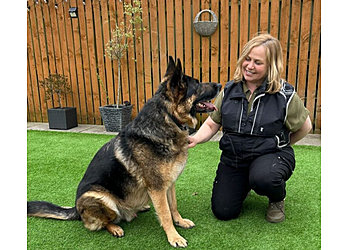
How to Find the Best Dog Behaviourist
Finding the best dog behaviourist is about more than choosing the nearest professional or the one with the most glowing reviews. The right person will have appropriate qualifications, use kind and evidence-informed methods, and create a plan suited to your dog, your household and the behaviour you want to address.
Whether your dog is anxious, reactive, fearful or struggling to settle, a qualified behaviourist can help you understand what may be driving the behaviour and work towards practical, lasting improvements.
What does a dog behaviourist do?
A dog behaviourist assesses and helps address behaviours that are causing concern, such as aggression, fear, separation-related problems, excessive barking or difficulty coping with other dogs. They will look beyond the behaviour itself to consider possible causes, including the dog’s health, experiences, environment and daily routine.
A dog trainer may focus on teaching skills such as recall, walking on a lead or basic cues. There can be some overlap, but more serious or complex behaviour concerns may call for a behaviour professional with relevant specialist training. If a sudden change in behaviour occurs, speak to your vet first, as pain or illness can affect how a dog behaves.
Check qualifications and professional registration
There is no single legal licence required to call yourself a dog behaviourist in the UK, so it is important to check a professional’s background carefully. Look for relevant education, practical experience and ongoing professional development.
You can also check whether the behaviourist is registered with a recognised professional body or register, such as the Animal Behaviour and Training Council (ABTC). The ABTC recognises different roles, so check that the practitioner’s listed role and experience are suitable for your dog’s needs. Other professional organisations have their own membership criteria; read these rather than relying on a badge or title alone.
Look for humane, evidence-informed methods
A good behaviourist should explain their approach clearly and treat your dog with patience and respect. Ask how they plan to work with your dog, what you will be expected to do and how progress will be reviewed.
Be cautious of anyone who recommends frightening or hurting your dog, or relies on intimidation, pain or physical punishment. Methods that suppress a behaviour without addressing its cause can increase fear and may make problems worse. A responsible professional should prioritise welfare, safety and gradual, achievable progress.
Questions to ask before booking
- What qualifications and relevant experience do you have?
- Are you registered with a professional organisation, and what does that registration cover?
- Have you worked with dogs showing similar behaviour?
- What methods do you use, and will you explain the plan before we begin?
- Will you work with my vet if needed?
- What does the assessment include, and what are the fees?
- How will we measure progress, and what support is available between sessions?
A professional should be comfortable answering these questions and should not promise a quick fix or guarantee a particular outcome. Behaviour change can take time, and results depend on many factors, including the dog’s history, health and home environment.
What to expect from a behaviour consultation
The first step is usually a detailed discussion about your dog’s history, health, routine and the situations in which the behaviour occurs. The behaviourist may observe your dog at home or in another suitable setting, then recommend management steps and a tailored training plan.
You should come away with clear, practical guidance, including what to do in the short term to keep people and animals safe. Follow-up support may be useful as you put the plan into practice. With your permission, the behaviourist may also liaise with your vet or other relevant professionals.
Consider the practical fit
The best dog behaviourist for your dog should also be someone you feel comfortable working with. Consider whether they explain things clearly, listen to your concerns and take your circumstances seriously. Ask about their availability, travel area, online appointments and cancellation arrangements before committing.
Online support can be suitable for some cases, particularly when it allows the behaviourist to observe the dog in their home environment. Other situations may benefit from an in-person assessment. A good professional will explain which format they recommend and why.
Choosing with confidence
To find the best dog behaviourist, check qualifications and registration, ask about methods, and make sure the proposed plan is realistic and centred on your dog’s welfare. If your dog’s behaviour has changed suddenly, or you are worried about a health issue, contact your vet. Choosing a suitably qualified, compassionate professional is an important first step towards helping your dog feel safer and making everyday life easier for everyone.
9 Essential Tips for Choosing the Best Dog Behaviourist in the UK
- Check for recognised qualifications and relevant experience.
- Choose someone who specialises in your dog’s needs.
- Look for reward-based, force-free methods.
- Ask for references and read independent reviews.
- Check they carry appropriate professional insurance.
- Expect a thorough assessment before advice.
- Avoid anyone promising instant results.
- Make sure they involve you in the training plan.
- Choose someone your dog feels comfortable with.
Check for recognised qualifications and relevant experience.
When choosing a dog behaviourist, check that they hold recognised qualifications and have relevant, hands-on experience with concerns similar to your dog’s. Look for membership or registration with a reputable professional body, such as the Animal Behaviour and Training Council (ABTC), and confirm that their role and expertise match your needs. A suitably qualified behaviourist should be happy to explain their training, experience and approach, and how they will tailor support to your dog.
Choose someone who specialises in your dog’s needs.
Choose a dog behaviourist with experience relevant to your dog’s specific needs. For example, a dog who struggles with fear or reactivity may benefit from a professional who regularly works with those challenges, while separation-related problems call for different expertise. Ask about their experience, approach and qualifications, and how they would tailor a plan to your dog. The right specialist will take your dog’s history and circumstances into account rather than offering a one-size-fits-all solution.
Look for reward-based, force-free methods.
Look for a dog behaviourist who uses reward-based, force-free methods, focusing on rewarding behaviours you want to encourage rather than relying on fear, pain or intimidation. Ask them to explain how their approach works and what you can expect during sessions. A kind, evidence-informed plan should take your dog’s welfare into account, build confidence and work towards lasting behaviour change at a pace that suits your dog.
Ask for references and read independent reviews.
Ask potential dog behaviourists for references from previous clients, particularly people whose dogs had similar needs to yours. You can also read independent reviews to get a broader picture of their communication, reliability and approach. Look for detailed, balanced feedback across more than one source, rather than relying on testimonials chosen by the behaviourist alone. Reviews are useful, but they should sit alongside checks of the professional’s qualifications, experience and methods.
Check they carry appropriate professional insurance.
Check that the dog behaviourist has appropriate professional insurance, including public liability cover and, where relevant, professional indemnity insurance. This can offer protection if an accident or dispute occurs during their work. Ask what their policy covers and confirm that it is current, especially if sessions take place in your home or involve your dog around other animals.
Expect a thorough assessment before advice.
A good dog behaviourist should carry out a thorough assessment before offering advice. They’ll ask about your dog’s history, health, daily routine and the situations in which the behaviour occurs, and may observe your dog at home or in a suitable setting. This helps them understand possible causes and recommend a safe, practical plan tailored to your dog, rather than relying on a one-size-fits-all solution.
Avoid anyone promising instant results.
Avoid any dog behaviourist who promises instant results or guarantees a quick fix. Behaviour change takes time and depends on your dog’s individual needs, history and environment. A reputable professional will set realistic expectations, explain their approach and work with you on a patient, tailored plan that puts your dog’s welfare first.
Make sure they involve you in the training plan.
A good dog behaviourist should involve you at every stage of the training plan, explaining what your dog may be communicating and why they recommend particular steps. They should listen to your concerns, take your routine and experience into account, and give you clear, practical guidance to use between sessions. This helps ensure the plan is realistic for your household and gives you the confidence to support your dog consistently.
Choose someone your dog feels comfortable with.
Choose a dog behaviourist your dog feels comfortable with, as trust can make training more positive and productive. Notice how the behaviourist approaches and handles your dog: they should be patient, give your dog time to settle and respect signs of worry or discomfort. A good professional will adapt their approach to your dog rather than forcing interaction, helping both of you feel at ease during sessions.