
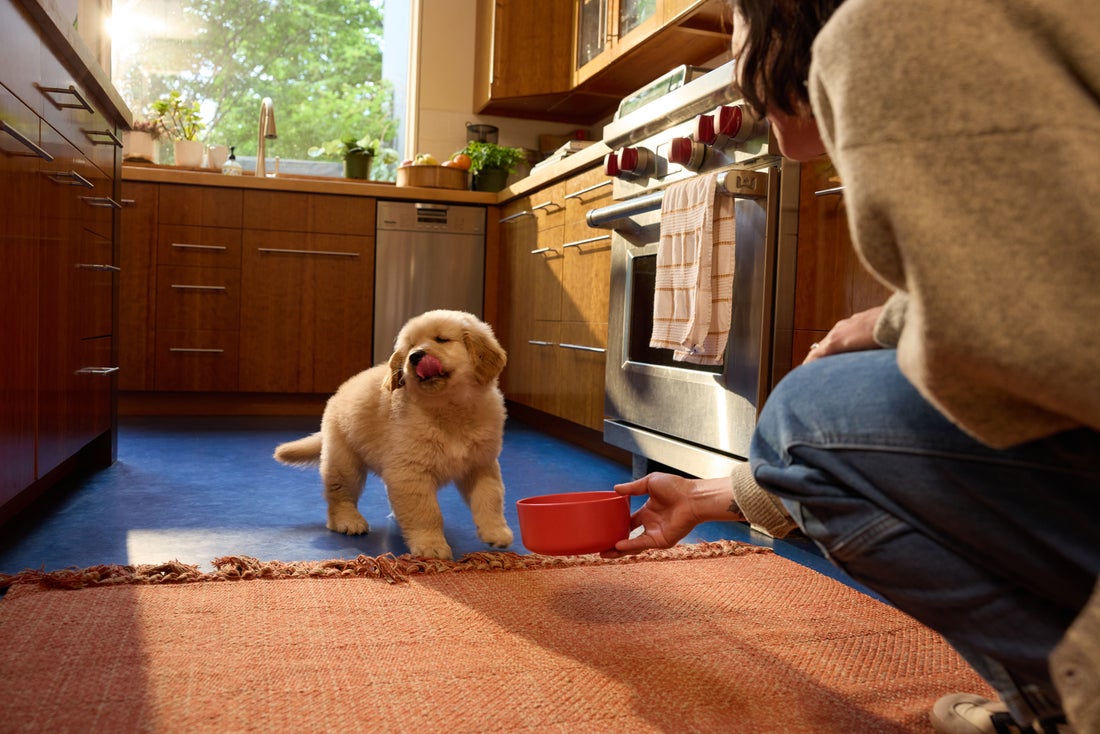
Basic Dog Obedience Training at Home
Teaching your dog a few simple cues at home can make everyday life safer and more enjoyable. Training also gives you a chance to build trust and strengthen your relationship. You do not need special equipment or long sessions: patience, consistency and rewards your dog values are a good place to start.
Set your dog up for success
Choose a quiet place with few distractions, particularly when introducing a new cue. Keep sessions short—around five minutes is often enough—and practise little and often. Have small treats ready, or use praise, a toy or a game if your dog finds those rewarding.
Train when your dog is comfortable and able to focus. If they seem tired, worried or overly excited, take a break and try again later. Everyone in the household should use the same cue words and rules so your dog receives clear, consistent guidance.
Use rewards to teach new behaviours
Positive reinforcement means rewarding a behaviour you would like to see again. The reward should follow the behaviour promptly so your dog can make the connection. For example, when your dog sits, say “yes” or use a clicker, then give a treat.
Avoid shouting, physical corrections or frightening equipment. These can make a dog anxious and may damage trust without teaching them what to do instead. If a behaviour is not working, make the exercise easier, reduce distractions or ask a qualified, reward-based trainer for advice.
Start with a few useful cues
Name response
Say your dog’s name once in a cheerful voice. When they look towards you, reward them. Practise in different rooms, then gradually try places with more distractions. Their name should be a prompt to pay attention, not a signal that something unpleasant is about to happen.
“Sit”
Hold a treat close to your dog’s nose and slowly move it upwards and slightly towards their head. As their nose follows the treat, they may lower their bottom. Mark and reward the moment they sit. Once they are responding reliably, say “sit” just before they begin the movement.
“Down”
With your dog sitting, bring a treat down towards the floor and gently move it away from them. Reward them when their elbows reach the ground. If they find this difficult, try guiding them from a standing position or reward small steps towards lying down. Never push them into position.
“Come”
Begin indoors, just a short distance away. Say your dog’s name followed by “come” in an inviting voice, then reward them generously when they reach you. You can also move backwards to encourage them to follow. Practise in a securely enclosed area before adding distractions. Outdoors, keep your dog on a lead or long line until their recall is dependable; do not rely on recall alone near roads or other hazards.
“Leave it”
Place a treat in a closed hand. Let your dog sniff, but do not open your hand. The moment they move away or look back at you, mark and reward them with a different treat from your other hand. Gradually practise with the item visible and then in more realistic situations. Do not use this exercise to tease or frustrate your dog.
Practise good manners in everyday life
Reward the behaviours you want during normal routines. For instance, ask your dog to sit before putting down their food bowl, or reward them for keeping four paws on the floor when greeting someone. Keep expectations realistic: young puppies, newly adopted dogs and dogs in unfamiliar surroundings may need extra time and support.
For lead walking, reward your dog when they walk beside you with a loose lead. If the lead becomes tight, pause or change direction calmly, then reward them when they return to your side. Practise in a quiet area before trying busier routes.
Build skills gradually
Once your dog understands a cue at home, practise it in different rooms and settings. Change only one challenge at a time—for example, distance, duration or distraction. A dog that responds in the kitchen may not yet understand the cue in a busy park.
Keep rewards varied and continue to praise good choices, even after a cue is familiar. Training is an ongoing part of daily life, rather than a one-off course.
When to seek help
If your dog shows signs of fear or distress, stop the exercise and give them space. Sudden changes in behaviour can sometimes be linked to pain or illness, so contact your vet if you are concerned. For persistent problems such as aggression, severe anxiety or difficult handling, seek help from a suitably qualified, reward-based behaviour professional.
With short, positive sessions and clear expectations, basic obedience training can become an enjoyable routine for both you and your dog. Celebrate small improvements, stay patient and let your dog learn at their own pace.
7 Essential Tips for Effective Dog Obedience Training at Home
- Keep training sessions short and positive.
- Use a clear cue for each behaviour.
- Reward good behaviour straight away.
- Practise in a quiet room first.
- Be consistent with rules and cues.
- Teach one skill at a time.
- End each session on a success.
Keep training sessions short and positive.
Keep training sessions short and positive so your dog stays interested and enjoys learning. A few minutes at a time is often enough, especially for puppies or dogs new to training. Reward effort and progress with treats, praise or play, and finish on a success. If your dog becomes tired, distracted or frustrated, take a break and try again later.
Use a clear cue for each behaviour.
Use one clear, consistent cue for each behaviour, such as “sit” or “come”, and make sure everyone in the household uses the same word and tone. Avoid repeating the cue or switching between different phrases, as this can confuse your dog. Say it once, give them time to respond, then reward the behaviour you want.
Reward good behaviour straight away.
Reward your dog as soon as they do what you’re asking, so they can connect the behaviour with the treat, praise or play. For example, when they sit, mark the moment with a cheerful “yes” and give their reward straight away. Quick, consistent rewards help your dog understand which behaviours you’d like them to repeat.
Practise in a quiet room first.
Practise in a quiet room first, where your dog is less likely to be distracted by visitors, noises or other pets. This helps them focus on you and understand what each cue means. Once they respond reliably, gradually practise in busier parts of the home and other settings, adding distractions a little at a time.
Be consistent with rules and cues.
Be consistent with your rules and cues so your dog can understand what you expect. Use the same word and hand signal for each behaviour, and make sure everyone in the household follows the same approach. For example, if your dog is not allowed on the sofa, keep that rule consistent rather than allowing it sometimes. Clear, predictable guidance helps your dog learn faster and feel more secure.
Teach one skill at a time.
Teach one skill at a time so your dog can focus and understand what is being asked. Practise a single cue, such as “sit”, in short sessions, rewarding your dog as soon as they get it right. Once they respond reliably, you can move on to another skill or gradually practise in more distracting surroundings.
End each session on a success.
End each training session on a success by finishing with a cue your dog already knows and rewarding them for getting it right. This leaves them feeling confident and keeps training enjoyable. If they are struggling or losing focus, make the task easier rather than repeating a difficult cue, then praise and reward a small step in the right direction.