
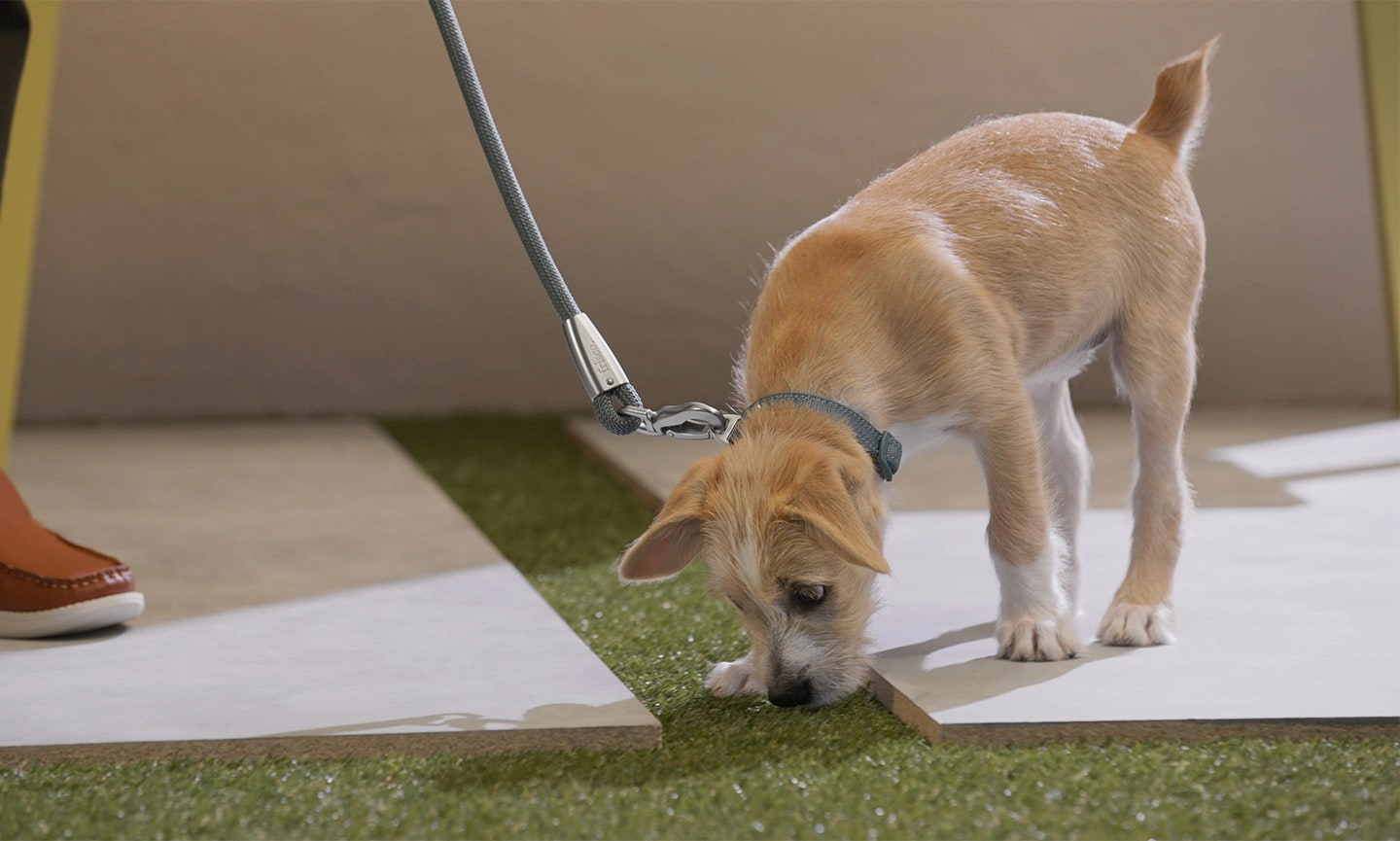
Dog Potty Training: A Practical Guide for a Clean, Confident Start
Potty training—also known as toilet training—teaches a dog where and when to relieve themselves. With a predictable routine, patient supervision and rewards for success, most dogs can learn the household rules. Puppies may need time and frequent trips outside, while adult dogs may need a refresher or a plan tailored to their needs.
Set up a consistent routine
Take your dog to the same toilet area regularly, particularly:
- as soon as they wake up;
- after meals and drinks;
- after a nap, play or excitement;
- before bedtime; and
- at intervals throughout the day.
Young puppies usually need to go more often than adult dogs. At first, take them out frequently and watch closely for signs such as sniffing, circling, wandering away or suddenly stopping play. There is no single schedule that suits every dog, so adjust the frequency to your dog’s age, health and habits.
Reward the behaviour you want
Go outside with your dog and give them time to sniff and choose a spot. When they finish, praise them calmly and offer a small treat straight away. This helps them connect toileting outdoors with a positive outcome. You can also introduce a simple cue, such as “go toilet”, by saying it quietly as they begin to go.
If your dog does not go, bring them back inside and supervise closely. Try again a little later rather than leaving them unattended where they may have an accident.
Supervise indoors
Close supervision helps you spot when your dog needs to go and prevents them practising unwanted habits. Keep them nearby, use a baby gate or playpen where appropriate, or take them out on a lead. If you cannot watch them, arrange a safe, comfortable resting area. A crate may be useful for some dogs if introduced positively and used appropriately, but it should never be used as punishment or for longer than the dog can comfortably manage.
What to do about accidents
Accidents are a normal part of learning. If you catch your dog in the act, interrupt gently and take them outside. If they finish there, reward them. If you find an accident afterwards, simply clean it up; your dog will not understand punishment after the event.
Clean the area thoroughly with a pet-safe enzymatic cleaner to remove lingering odours. Avoid shouting, rubbing your dog’s nose in it or punishing them. These responses can cause fear and may lead a dog to hide when they need to go, rather than helping them learn where to toilet.
Potty training an adult dog
Adult dogs can learn new toilet routines too. Start by treating the process much like puppy training: provide regular outdoor opportunities, supervise indoors, reward toileting in the right place and keep a note of when accidents happen. A change in routine, unfamiliar surroundings or a history of inconsistent training can all affect progress, so allow time for your dog to settle and learn.
When to speak to a vet
If a previously reliable dog suddenly starts having accidents, or your dog is straining, urinating unusually often, drinking more than usual, showing discomfort or passing blood, contact your vet. A medical issue may be affecting their ability to wait or control their bladder. Seek veterinary advice before assuming that a sudden change is a training problem.
Be patient and consistent
Progress may not be perfectly linear. Keep the routine steady, reward successes promptly and give your dog plenty of chances to get it right. If problems continue despite consistent training, a vet or a qualified, reward-based dog behaviour professional can help identify what is getting in the way.
Dog Toilet Training: Six Frequently Asked Questions
- How long does it take to potty train a puppy?
- How often should I take my puppy outside to go to the toilet?
- How can I tell when my dog needs to go outside?
- What should I do if my dog has an accident indoors?
- How do I potty train an adult dog?
- When should I contact a vet about my dog having toilet accidents?
How long does it take to potty train a puppy?
Potty training a puppy can take several weeks to a few months, depending on their age, routine and how consistently they’re supervised and rewarded. Some puppies learn the basics quickly, but reliable habits take time, and occasional accidents are normal. Take your puppy outside regularly—especially after waking, eating, drinking and playing—and praise and reward them as soon as they go in the right place. If progress seems slow, stay patient and consistent, and speak to your vet if your puppy is having difficulty or their toileting habits change suddenly.
How often should I take my puppy outside to go to the toilet?
Take your puppy outside to the toilet as soon as they wake up, after meals, drinks, naps and play, and before bedtime. They’ll also need frequent trips between these activities—often every one to two hours when awake, though very young puppies may need to go even more often. Watch for signs such as sniffing, circling or suddenly stopping play, and take them out promptly. Praise and reward them as soon as they go in the right place, and adjust the routine to suit their age and individual needs.
How can I tell when my dog needs to go outside?
Dogs often show they need to go outside by sniffing the floor, circling, pacing, becoming restless, whining, heading towards the door or suddenly stopping play. Puppies may give very little warning, so take them out regularly, especially after waking, eating, drinking or playing. Watch your dog’s individual habits and respond promptly; with time, you’ll learn their signals.
What should I do if my dog has an accident indoors?
If your dog has an accident indoors, stay calm and avoid telling them off, especially if you find it after the event. If you catch them in the act, gently interrupt and take them outside; praise and reward them if they finish there. Clean the area thoroughly with a pet-safe enzymatic cleaner to remove lingering smells, then review your dog’s toilet routine and supervision to help prevent another accident. If accidents start suddenly or happen frequently, speak to your vet, as an underlying health issue may be the cause.
How do I potty train an adult dog?
To potty train an adult dog, establish a regular routine and take them outside after waking, eating, drinking and playing, as well as at frequent intervals during the day. Go with them to the same toilet spot and reward them immediately when they go in the right place. Supervise closely indoors, watch for signs they need to go, and clean accidents thoroughly without telling them off. Be patient and consistent—adult dogs can learn, but may need time to settle into a new routine. If accidents begin suddenly or continue despite training, consult your vet to rule out a health problem.
When should I contact a vet about my dog having toilet accidents?
Contact your vet if your dog suddenly starts having toilet accidents after being reliably house-trained, or if the accidents are frequent, worsening or accompanied by signs such as straining, discomfort, blood in the urine or poo, diarrhoea, or increased thirst or urination. These changes may point to a health problem rather than a training issue. Seek urgent veterinary advice if your dog seems unable to pass urine or is in significant distress.