
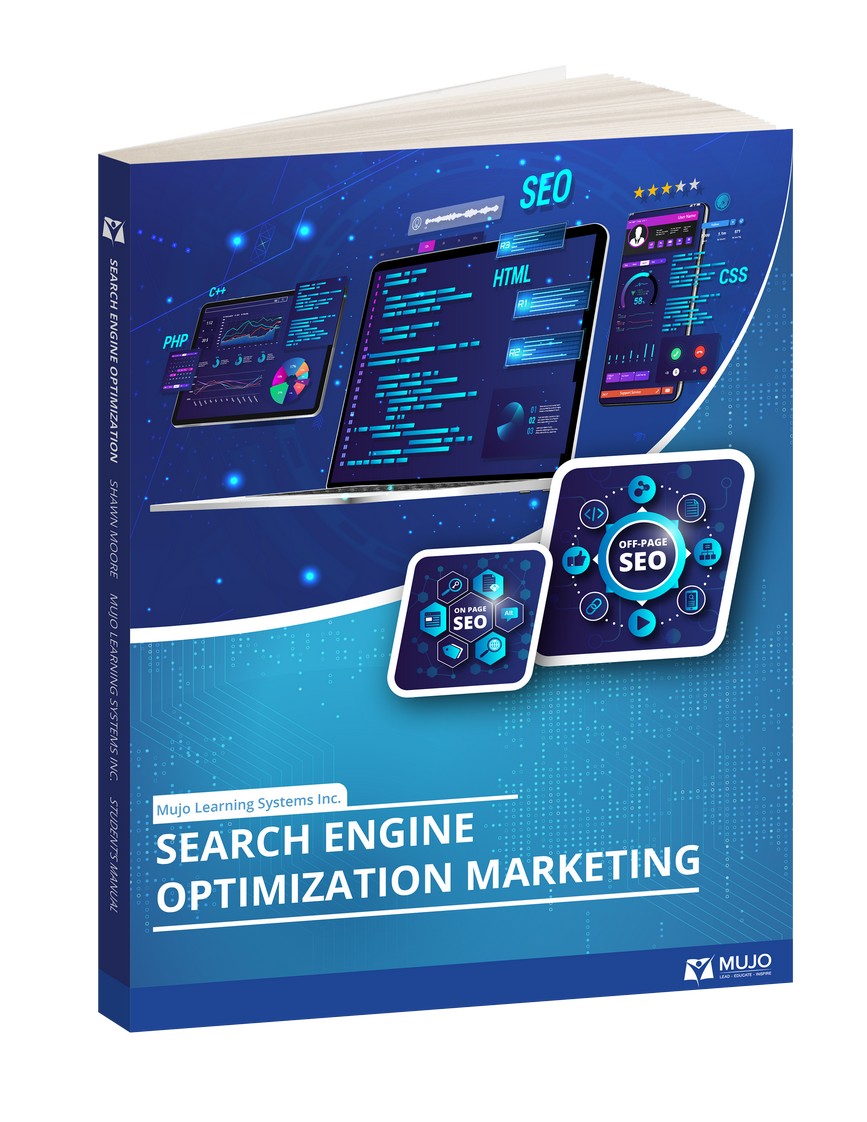
Search Engine Optimisation in Marketing
Search engine optimisation (SEO) is the process of improving a website so that it is easier for people to find through unpaid search results. As part of a wider marketing strategy, SEO helps businesses reach people who are actively looking for information, products or services.
Unlike paid advertising, organic search visibility is not bought directly. It is earned by making a website useful, relevant and accessible to both visitors and search engines. SEO takes time and ongoing work, but it can become a valuable source of consistent traffic and enquiries.
Why SEO matters in marketing
Search is often one of the first steps in a customer’s buying journey. Someone might search for advice, compare different options and then look for a provider nearby. Appearing prominently for relevant searches can help a business connect with potential customers at each of these stages.
- Increases visibility: SEO can help a business appear for searches related to its products, services or expertise.
- Attracts relevant visitors: Targeting the right topics and search terms can bring people who are more likely to be interested in what the business offers.
- Builds credibility: Helpful content and a well-organised website can strengthen trust in a brand.
- Supports other marketing channels: SEO insights can inform content, public relations, social media and paid campaigns.
- Creates long-term value: A useful page can continue attracting visitors after its initial publication, although it may need regular updates.
The main parts of SEO
Technical SEO
Technical SEO focuses on whether search engines can access, understand and index a website. It also considers the experience of visitors. Important areas include site speed, mobile usability, secure browsing, clear navigation and the correct handling of broken or duplicate pages.
On-page SEO
On-page SEO involves improving individual pages. This includes choosing a clear topic, writing descriptive page titles and headings, using relevant search terms naturally, and providing links to related pages. The aim is not to repeat keywords as often as possible, but to make each page’s purpose clear and satisfy the visitor’s needs.
Content
Good SEO content answers genuine questions and helps readers make informed decisions. It may include service pages, guides, articles, product information or frequently asked questions. Content should be accurate, easy to follow and written for people first. Regularly reviewing older pages can also help keep information current and useful.
Off-page SEO
Off-page SEO refers to signals beyond a website that can contribute to its reputation and visibility. Relevant links from trusted websites may help demonstrate authority, while mentions in industry publications or local directories can support brand awareness. These should be earned through worthwhile activity rather than artificial link schemes.
Local SEO
For businesses serving a particular area, local SEO can help them appear in searches with local intent. Accurate business details, a complete business profile, useful location pages and genuine customer reviews can all support local visibility. Consistency matters: opening hours, addresses and contact details should be kept up to date.
How SEO fits into a marketing strategy
SEO works best when it supports clear business goals. Before creating pages or choosing search terms, a business should understand its audience, its services and the questions customers ask. Keyword research can reveal how people describe their needs, but search volume alone is not enough. A phrase is valuable only if it is relevant to the business and the page can provide a useful answer.
SEO should also be coordinated with other marketing activity. For example, a campaign may generate interest in a product, while an optimised landing page provides detailed information and a clear next step. Insights from customer service teams, sales conversations and paid search can help identify topics worth covering organically.
Measuring SEO performance
Rankings can be useful to monitor, but they do not tell the whole story. A strong measurement plan connects SEO activity to meaningful outcomes. Depending on the business, useful measures may include:
- Organic visits to important pages
- Enquiries, bookings, purchases or other conversions from organic search
- Visibility for relevant search terms
- Engagement with key content
- Local actions, such as calls or requests for directions
Performance should be reviewed over time, as search visibility can change with competition, website updates and shifts in what people are looking for. Tracking results helps businesses decide where to improve, rather than relying on guesswork.
Common SEO mistakes to avoid
SEO is not a quick fix, and shortcuts can undermine a website’s reputation. Common mistakes include publishing pages that add little value, forcing keywords into awkward copy, neglecting mobile visitors and buying low-quality links. Another frequent problem is focusing only on rankings while overlooking whether the website turns visits into useful outcomes.
Businesses should be cautious of anyone promising guaranteed positions or instant results. Search engines change, competitors improve and no reputable provider can control every factor that affects visibility. A sensible SEO plan focuses on sustainable improvements and transparent reporting.
Conclusion
Search engine optimisation is an important part of modern marketing because it helps businesses become discoverable when people are actively searching. By combining technical improvements, useful content, clear page structure and credible promotion, organisations can build stronger visibility and attract more relevant visitors. The most effective approach is ongoing, audience-focused and measured against real business goals.
8 Essential SEO Tips for Effective Marketing Success
- Research the keywords your audience uses.
- Write clear, useful page titles.
- Create helpful, original content.
- Use descriptive headings and URLs.
- Optimise images with alt text.
- Make your site fast and mobile-friendly.
- Earn links from trusted, relevant sites.
- Track rankings, traffic and conversions.
Research the keywords your audience uses.
Researching the keywords your audience uses helps you understand how they search for products, services and advice. Look beyond industry jargon: customers may describe the same need in simpler or different terms. Use keyword research tools, customer questions and search suggestions to discover relevant phrases, then consider the intent behind each search. Include suitable terms naturally in useful pages and content, without forcing them in, so your website can better match what people are looking for.
Write clear, useful page titles.
Write clear, useful page titles that tell people what each page is about and give them a reason to click. Keep them concise, use the words your audience is likely to search for naturally, and make every title specific to its page rather than repeating the same wording across your site. A well-written title helps search engines understand the page and helps potential visitors decide whether it matches what they need.
Create helpful, original content.
Create helpful, original content that gives your audience a clear reason to visit your website. Focus on answering real questions, solving problems and sharing useful expertise, rather than simply adding keywords to a page. Well-written, accurate content can build trust with potential customers and help search engines understand what your site offers. Review and update it regularly to keep details relevant, and make sure every page offers something distinctive and valuable to readers.
Use descriptive headings and URLs.
Use descriptive headings and URLs to make your content easier for people and search engines to understand. Headings should clearly explain what each section covers, helping readers scan the page and find relevant information quickly. Keep URLs short, readable and reflective of the page’s topic, using words that describe its content rather than long strings of numbers or unclear characters. For example, a clear URL such as /seo-marketing-tips is more useful than /page?id=4827.
Optimise images with alt text.
Optimise images by writing concise, descriptive alt text that explains what each meaningful image shows and how it relates to the page. This helps people using screen readers understand visual content and gives search engines useful context. Keep the wording natural and specific, avoid cramming in keywords, and use empty alt text for purely decorative images so assistive technology can skip them.
Make your site fast and mobile-friendly.
Make sure your website loads quickly and works well on mobile devices. Many people browse and search on their phones, so slow-loading pages, small text or difficult navigation can lead visitors to leave before finding what they need. Compressing images, reducing unnecessary scripts and using a responsive design can improve the experience across devices. A fast, mobile-friendly site is easier for visitors to use and can also support your search engine optimisation efforts.
Earn links from trusted, relevant sites.
Earn links from trusted, relevant websites by creating useful content, building genuine industry relationships and sharing expertise through reputable publications. These links can help search engines understand your site’s credibility and may bring visitors who are already interested in your subject. Focus on relevance and quality rather than chasing large numbers of links, and avoid paid or manipulative schemes that could harm your site’s reputation.
Track rankings, traffic and conversions.
Track rankings, traffic and conversions to understand whether your SEO activity is delivering meaningful results. Rankings show how visible your pages are for relevant searches, while organic traffic reveals whether people are visiting from search engines. Conversions—such as enquiries, bookings or purchases—show whether those visits are contributing to your marketing goals. Review these measures together over time, as higher rankings or increased traffic alone do not necessarily mean better business outcomes.