
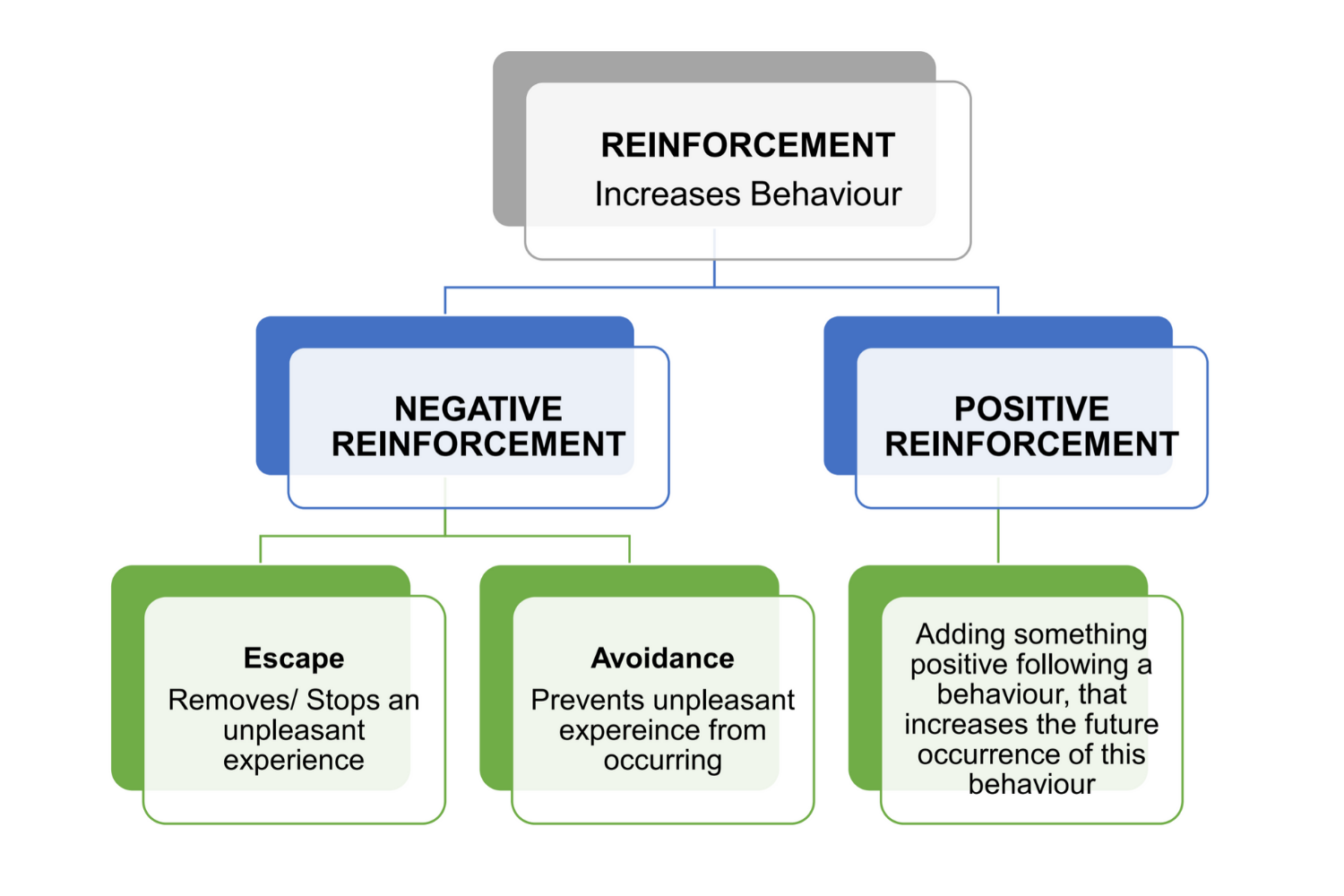
The Power of Position Reinforcement in Animal Training
Position reinforcement is a fundamental concept in animal training that involves rewarding an animal based on its physical position or location. This technique is widely used across various species, including dogs, horses, and marine mammals, to shape desired behaviours and improve communication between the trainer and the animal.
One of the key benefits of position reinforcement is its clarity and immediacy. By rewarding an animal when it assumes a specific position or moves to a particular location, we can effectively communicate our expectations and reinforce the desired behaviour. This clear feedback helps the animal understand what is expected of them and accelerates the learning process.
Position reinforcement can be used to teach a wide range of behaviours, from basic commands like “sit” or “stay” to more complex tasks such as agility courses or performance routines. By breaking down these behaviours into smaller components and rewarding the animal for achieving each step, trainers can gradually shape the desired behaviour without overwhelming the animal.
Furthermore, position reinforcement allows trainers to provide positive feedback in real-time, making it a powerful tool for building trust and motivation in the animal. When an animal receives immediate rewards for correct positioning, they are more likely to repeat those behaviours in the future, leading to faster progress and stronger bonds between trainer and animal.
Overall, position reinforcement is a versatile and effective technique that plays a crucial role in successful animal training. By leveraging this method thoughtfully and consistently, trainers can help animals learn new skills, overcome challenges, and reach their full potential.
Understanding Position Reinforcement: Key FAQs on Shaping Animal Behaviour
- What is position reinforcement in animal training?
- How does position reinforcement help in shaping animal behaviour?
- Which animal species can benefit from position reinforcement?
- What are some common examples of position reinforcement techniques?
- Why is clarity important in using position reinforcement?
- How can trainers effectively communicate expectations through position reinforcement?
- What role does immediate feedback play in position reinforcement?
- Can position reinforcement be used for training complex behaviours?
- How does position reinforcement contribute to building trust between animals and trainers?
What is position reinforcement in animal training?
Position reinforcement in animal training refers to the practice of rewarding an animal based on its physical position or location. This technique involves providing positive feedback when the animal assumes a specific posture, moves to a designated spot, or maintains a particular position. By using position reinforcement, trainers can effectively communicate their expectations to the animal and encourage desired behaviours. This method helps animals understand what is required of them and facilitates the learning process by offering clear and immediate feedback. Position reinforcement is a valuable tool in shaping behaviours, building trust, and strengthening the bond between trainer and animal.
How does position reinforcement help in shaping animal behaviour?
Position reinforcement plays a pivotal role in shaping animal behaviour by providing clear and immediate feedback to the animal based on its physical position or location. This technique aids in communicating desired behaviours effectively, allowing trainers to reward animals when they assume specific positions or move to particular locations. By breaking down behaviours into smaller components and rewarding the animal for achieving each step, position reinforcement helps animals understand expectations and accelerates the learning process. Through this method, trainers can build trust, motivation, and strong bonds with the animals, ultimately leading to enhanced communication, faster progress, and successful behaviour shaping.
Which animal species can benefit from position reinforcement?
Position reinforcement is a versatile training technique that can benefit a wide range of animal species. From domestic pets like dogs and cats to more exotic animals such as parrots and dolphins, virtually any species with the capacity to learn can benefit from position reinforcement. This method is particularly effective for animals that rely on physical cues and spatial awareness to understand commands and behaviours. By tailoring position reinforcement strategies to suit the unique characteristics and natural behaviours of each species, trainers can effectively communicate expectations and shape desired behaviours in a positive and rewarding manner.
What are some common examples of position reinforcement techniques?
Position reinforcement techniques are commonly used in animal training to shape desired behaviours and improve communication between trainers and animals. Some common examples of position reinforcement techniques include luring, shaping, and targeting. Luring involves using a treat or a prop to guide an animal into a specific position, such as sitting or lying down. Shaping breaks down complex behaviours into smaller steps, rewarding the animal for gradually approximating the desired position. Targeting involves teaching an animal to touch a specific object or location, reinforcing their positioning skills. These techniques are versatile and effective tools that help trainers achieve training goals while enhancing the bond between humans and animals.
Why is clarity important in using position reinforcement?
Clarity is paramount when utilising position reinforcement in animal training as it provides clear and unambiguous feedback to the animal regarding their behaviour. By rewarding specific positions or locations promptly and consistently, trainers effectively communicate their expectations to the animal, reducing confusion and uncertainty. This clear communication helps the animal understand what is being asked of them, making it easier for them to learn and replicate desired behaviours. Without clarity in position reinforcement, animals may struggle to grasp the training objectives, leading to frustration and slower progress in their learning journey.
How can trainers effectively communicate expectations through position reinforcement?
When utilising position reinforcement in animal training, trainers can effectively communicate expectations by establishing clear criteria for the desired position or location and consistently rewarding the animal when it meets those criteria. By breaking down the behaviour into achievable steps and providing immediate feedback through rewards, trainers can convey to the animal what is expected of them in a precise and understandable manner. Additionally, using verbal cues or hand signals in conjunction with position reinforcement can further enhance communication and help the animal associate specific commands with desired positions. Through consistent practice, positive reinforcement, and patience, trainers can establish a strong foundation for effective communication and successful training outcomes using position reinforcement techniques.
What role does immediate feedback play in position reinforcement?
Immediate feedback plays a crucial role in position reinforcement by providing clear and timely communication to the animal about their behaviour. When an animal receives immediate feedback, such as a reward or praise, for assuming a specific position or location, they can quickly associate their actions with the desired outcome. This instant reinforcement helps the animal understand what is expected of them and reinforces the correct behaviour effectively. By offering immediate feedback during position reinforcement training, trainers can enhance learning outcomes, build trust with the animal, and accelerate the training process towards achieving desired behaviours.
Can position reinforcement be used for training complex behaviours?
Position reinforcement can indeed be effectively used for training complex behaviours in animals. By breaking down intricate tasks into smaller, manageable components and rewarding the animal for achieving each step, trainers can gradually shape and reinforce the desired behaviour. This approach not only helps clarify expectations for the animal but also provides clear and immediate feedback, accelerating the learning process. With consistency and patience, position reinforcement can play a vital role in teaching animals complex behaviours, such as agility courses or performance routines, by guiding them through each stage of the learning process towards successful mastery of the behaviour.
How does position reinforcement contribute to building trust between animals and trainers?
Position reinforcement plays a vital role in building trust between animals and trainers by providing clear and immediate feedback that helps establish a strong communication channel. When animals receive rewards for assuming specific positions or locations, they quickly learn to associate those actions with positive outcomes, fostering a sense of security and predictability. This consistent positive reinforcement builds confidence in the animal, leading to increased trust in the trainer’s guidance and intentions. By using position reinforcement effectively, trainers can create a harmonious training environment where animals feel understood, supported, and motivated to engage in learning experiences, ultimately strengthening the bond between them and their human counterparts.