
Therapy Dog Training at Home
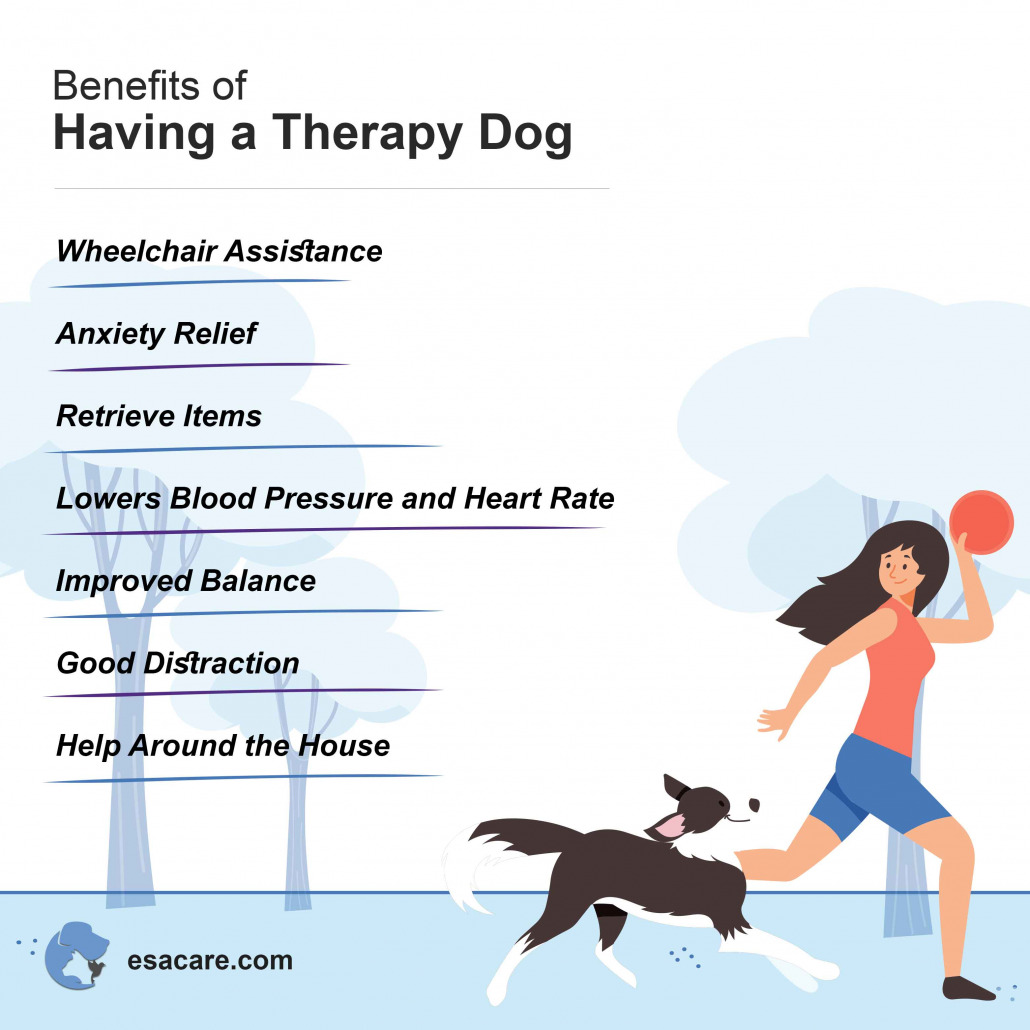
Therapy dogs play a vital role in providing comfort, companionship, and support to individuals in need. Whether visiting hospitals, nursing homes, schools, or disaster areas, therapy dogs have a special ability to uplift spirits and bring joy to those they encounter.
Training a therapy dog at home can be a rewarding experience for both you and your furry friend. Here are some tips to help you get started:
Establish a Strong Bond
Building a strong bond with your dog is essential for successful therapy dog training. Spend quality time together, engage in positive reinforcement training techniques, and create a trusting relationship based on love and respect.
Basic Obedience Training
Start with basic obedience training to ensure your dog has the fundamental skills needed to be a well-behaved therapy dog. Teach commands such as sit, stay, come, and leave it to lay the foundation for more advanced training.
Socialisation
Expose your dog to various environments, people, and animals to help them become comfortable in different settings. Socialisation is key to preparing your dog for the diverse situations they may encounter as a therapy dog.
Desensitisation
Gradually expose your dog to potential stressors or distractions they may encounter during therapy visits. This could include loud noises, medical equipment, or crowds of people. By desensitising your dog in a controlled environment, you can help them remain calm and focused during therapy sessions.
Practice Therapy Scenarios
Create mock therapy scenarios at home to simulate the experiences your dog will have during actual visits. Practice walking on different surfaces, interacting with strangers, and remaining calm in busy environments to prepare your dog for their role as a therapy companion.
In conclusion, training a therapy dog at home requires patience, dedication, and consistency. By following these tips and seeking guidance from professional trainers if needed, you can prepare your beloved pet for their important role as a source of comfort and healing for those in need.
Training Your Dog for Therapy Work at Home: Answers to 9 Common Questions
- 1. How can I train my dog to be a therapy dog at home?
- 2. What qualities make a good therapy dog candidate?
- 3. Is it possible to train a rescue dog to be a therapy dog at home?
- 4. How long does it take to train a dog for therapy work at home?
- 5. What are the key obedience commands that a therapy dog should know?
- 6. How can I socialise my dog for therapy work in different environments?
- 7. Are there specific requirements or certifications needed for training a therapy dog at home?
- 8. How do I prepare my dog for interacting with different types of people during therapy visits?
- 9. What steps can I take to ensure my home-trained therapy dog remains calm and focused during visits?
1. How can I train my dog to be a therapy dog at home?
Training your dog to be a therapy dog at home involves establishing a strong bond, focusing on basic obedience training, socialisation, desensitisation, and practising therapy scenarios. Building a trusting relationship with your dog through quality time and positive reinforcement is crucial. Teaching fundamental commands like sit, stay, come, and leave it lays the foundation for more advanced training. Exposure to various environments, people, and animals helps your dog become comfortable in different settings. Gradually introducing potential stressors or distractions prepares them for the diverse situations they may encounter during therapy visits. By creating mock therapy scenarios at home, you can simulate the experiences your dog will have during actual visits and help them develop the skills needed to excel as a therapy companion.
2. What qualities make a good therapy dog candidate?
When considering what qualities make a good therapy dog candidate, several key traits come to mind. Firstly, a therapy dog should exhibit a calm and gentle demeanour, showing patience and empathy towards those they interact with. Additionally, good candidates should be sociable and enjoy being around people of all ages and backgrounds. A well-trained therapy dog should also be adaptable to various environments and able to remain focused and obedient in potentially challenging situations. Lastly, a strong bond with their handler, coupled with a willingness to learn and follow commands, is essential for a successful therapy dog candidate.
3. Is it possible to train a rescue dog to be a therapy dog at home?
Training a rescue dog to become a therapy dog at home is indeed possible with the right approach and dedication. Rescue dogs often possess a remarkable resilience and eagerness to please, making them ideal candidates for therapy work. By providing a stable and loving environment, along with patient training and socialisation, you can help your rescue dog develop the skills and temperament needed to excel as a therapy companion. With consistent guidance and positive reinforcement, many rescue dogs have successfully transitioned into fulfilling roles as therapy dogs, bringing comfort and joy to those in need.
4. How long does it take to train a dog for therapy work at home?
Training a dog for therapy work at home is a gradual process that varies depending on the individual dog’s personality, previous training experience, and the dedication of the owner. While there is no set timeframe for how long it takes to train a dog for therapy work, most experts suggest that consistent training sessions over several months are typically required to prepare a dog adequately for this important role. Patience, positive reinforcement, and ongoing practice are key components in developing a well-trained therapy dog that can bring comfort and support to those in need.
5. What are the key obedience commands that a therapy dog should know?
When training a therapy dog at home, it is essential to teach them key obedience commands that will help them excel in their role as a comforting companion. Some of the crucial commands that a therapy dog should know include sit, stay, come, leave it, and down. These commands not only demonstrate the dog’s obedience and self-control but also ensure that they can behave appropriately in various environments and situations during therapy visits. By mastering these fundamental obedience commands, therapy dogs can effectively engage with individuals in need and provide comfort and support when it is needed most.
6. How can I socialise my dog for therapy work in different environments?
To socialise your dog for therapy work in different environments, start by gradually exposing them to a variety of settings, people, and animals. Begin with familiar environments and slowly introduce new places with controlled levels of stimulation. Encourage positive interactions and reward calm behaviour to build your dog’s confidence. Practice walking on different surfaces, encountering various sounds, and meeting strangers to help your dog feel comfortable and adaptable in diverse situations. Consistent exposure and positive reinforcement will help your dog become well-socialised and prepared for the challenges of therapy work in different environments.
7. Are there specific requirements or certifications needed for training a therapy dog at home?
When it comes to training a therapy dog at home, one frequently asked question is whether there are specific requirements or certifications needed. While there is no official certification required for training a therapy dog at home, it is important to ensure that your dog possesses the necessary temperament, obedience skills, and socialisation to be an effective therapy companion. Seeking guidance from experienced trainers or organisations that specialise in therapy dog training can provide valuable insights and support throughout the training process. Remember that the ultimate goal is to prepare your dog to bring comfort and joy to those in need, so prioritising their well-being and readiness for the role is key.
8. How do I prepare my dog for interacting with different types of people during therapy visits?
Preparing your dog for interacting with different types of people during therapy visits is crucial for their success as a therapy dog. Start by exposing your dog to a diverse range of individuals, including children, seniors, people with disabilities, and individuals from different cultural backgrounds. Practice positive interactions and reinforce good behaviour when meeting new people. Encourage gentle and calm behaviour, teach your dog to approach people politely, and reward them for remaining composed in various social situations. By gradually introducing your dog to different types of people and providing positive reinforcement, you can help them feel confident and comfortable when engaging with individuals during therapy visits.
9. What steps can I take to ensure my home-trained therapy dog remains calm and focused during visits?
To ensure that your home-trained therapy dog remains calm and focused during visits, it is essential to prioritise ongoing training and preparation. Consistent practice in various environments, exposure to potential stressors, and positive reinforcement for desired behaviours are key steps. Additionally, creating a structured routine, providing mental stimulation, and maintaining a strong bond based on trust and communication will help your therapy dog stay composed and attentive during their important role in providing comfort and support to those in need.