
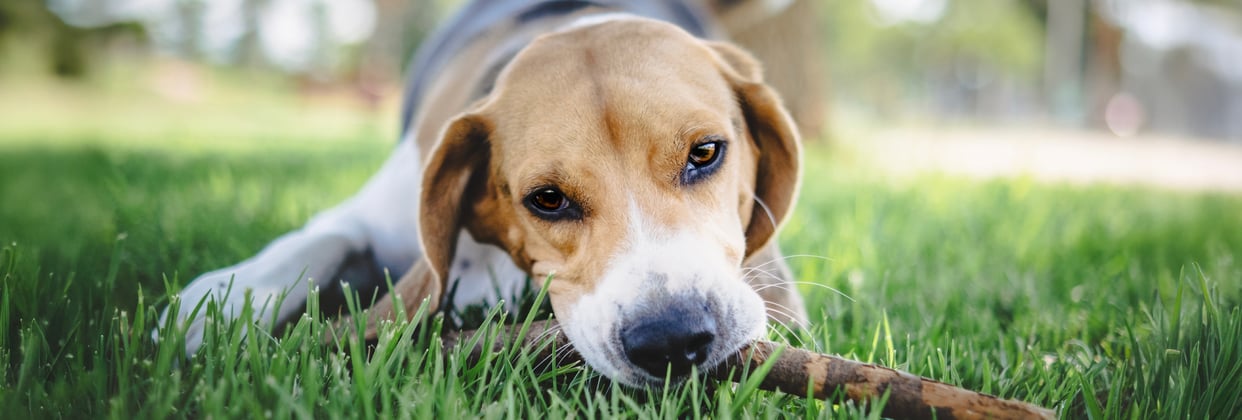
The Behaviour of Beagle Dogs
Beagles are a popular breed known for their friendly and curious nature. Understanding the behaviour of Beagle dogs can help owners provide the best care and training for their furry companions.
Characteristics of Beagle Behaviour
Beagles are intelligent and energetic dogs with a strong sense of smell. They are known for their playful and sociable personalities, making them great family pets. However, beagles can also be stubborn and independent, which may present challenges in training.
Common Behaviours in Beagles
Beagles are prone to howling, barking, and digging. These behaviours are rooted in their hunting instincts and need for stimulation. Regular exercise, mental enrichment, and positive reinforcement training can help curb these behaviours.
Training Tips for Beagle Owners
When training a Beagle, it’s essential to be patient and consistent. Use positive reinforcement techniques such as treats and praise to motivate your dog. Beagles respond well to food rewards but may lose interest if training sessions become repetitive.
Socialisation and Exercise Needs
Beagles thrive on social interaction with humans and other dogs. Regular socialisation from a young age can help prevent behavioural issues such as aggression or anxiety. Adequate exercise is also crucial for Beagles to channel their energy positively.
Conclusion
Understanding the behaviour of Beagle dogs is key to providing them with a happy and fulfilling life. By recognising their unique traits and needs, owners can build a strong bond with their Beagle companions and enjoy a harmonious relationship based on trust and respect.
Understanding Beagle Behaviour: FAQs on Traits, Training, and Socialising
- What are common behavioural traits of Beagle dogs?
- How can I train my Beagle to stop excessive barking?
- Why do Beagles have a tendency to howl?
- What are effective ways to prevent Beagles from digging in the garden?
- How much exercise does a Beagle require daily?
- What are some tips for socialising a Beagle with other dogs?
What are common behavioural traits of Beagle dogs?
Beagle dogs are renowned for their distinctive behavioural traits that make them beloved companions. Common behavioural traits of Beagles include their friendly and sociable nature, as they thrive on human interaction and enjoy the company of both people and other dogs. Beagles are known for their curious and playful personalities, often displaying a high level of energy and enthusiasm for activities such as exploring, sniffing, and chasing. Additionally, Beagles have a strong hunting instinct, which can manifest in behaviours like howling, barking, and digging. Understanding these common behavioural traits is essential for Beagle owners to provide appropriate training, socialisation, and mental stimulation to ensure a happy and well-adjusted pet.
How can I train my Beagle to stop excessive barking?
Training a Beagle to stop excessive barking can be a challenging but achievable task with patience and consistency. Beagles are known for their vocal nature, often using barking as a form of communication or in response to stimuli. To address this behaviour, it is essential to identify the triggers that cause your Beagle to bark excessively. Once you understand the root cause, you can implement training techniques such as positive reinforcement, redirection, and desensitisation to modify your Beagle’s barking behaviour. Consistent training sessions, rewarding quiet behaviour, and providing mental stimulation can help curb excessive barking in Beagles over time. Remember that each dog is unique, so finding the right approach that works for your Beagle is key to successful training outcomes.
Why do Beagles have a tendency to howl?
Beagles have a natural tendency to howl due to their strong hunting instincts and pack mentality. Howling is a form of communication that allows Beagles to alert other dogs or their owners of potential prey or danger. This behaviour is deeply ingrained in their genetic makeup, as Beagles were originally bred for hunting in packs. Howling also serves as a way for Beagles to express their emotions, whether it be excitement, loneliness, or seeking attention. Understanding the reasons behind a Beagle’s howling can help owners address this behaviour through appropriate training and enrichment activities that fulfil their need for mental stimulation and social interaction.
What are effective ways to prevent Beagles from digging in the garden?
One common concern among Beagle owners is how to prevent their dogs from digging in the garden. Effective ways to address this behaviour include providing ample exercise and mental stimulation to keep your Beagle engaged and satisfied. Creating a designated digging area with loose soil or sand can redirect their natural digging instincts. Additionally, supervising outdoor time and promptly correcting digging behaviour with a firm “no” can help deter future incidents. Ensuring that your Beagle has access to plenty of toys and interactive activities can also help prevent boredom-induced digging. Consistent training, positive reinforcement, and patience are key in guiding your Beagle towards more appropriate behaviours in the garden.
How much exercise does a Beagle require daily?
Beagles are energetic and active dogs that require a moderate amount of exercise to stay healthy and happy. On average, a Beagle should ideally have around 1-2 hours of physical activity each day to fulfil their exercise needs. Regular walks, playtime, and interactive games can help burn off their excess energy and prevent boredom-induced behaviours. It’s important for Beagle owners to provide both mental and physical stimulation to keep their furry companions mentally engaged and physically fit. By meeting their daily exercise requirements, Beagles can lead a balanced lifestyle and thrive in a loving environment.
What are some tips for socialising a Beagle with other dogs?
When it comes to socialising a Beagle with other dogs, consistency and positive reinforcement are key. Start by introducing your Beagle to well-behaved and friendly dogs in a controlled environment. Monitor their interactions closely and reward good behaviour with treats and praise. Gradually increase the exposure to different dogs, ensuring that the experiences remain positive. Encourage play and positive interactions while also teaching your Beagle appropriate social cues. Regular socialisation sessions will help your Beagle develop good manners and build confidence when interacting with other dogs, leading to a well-adjusted and sociable companion.