
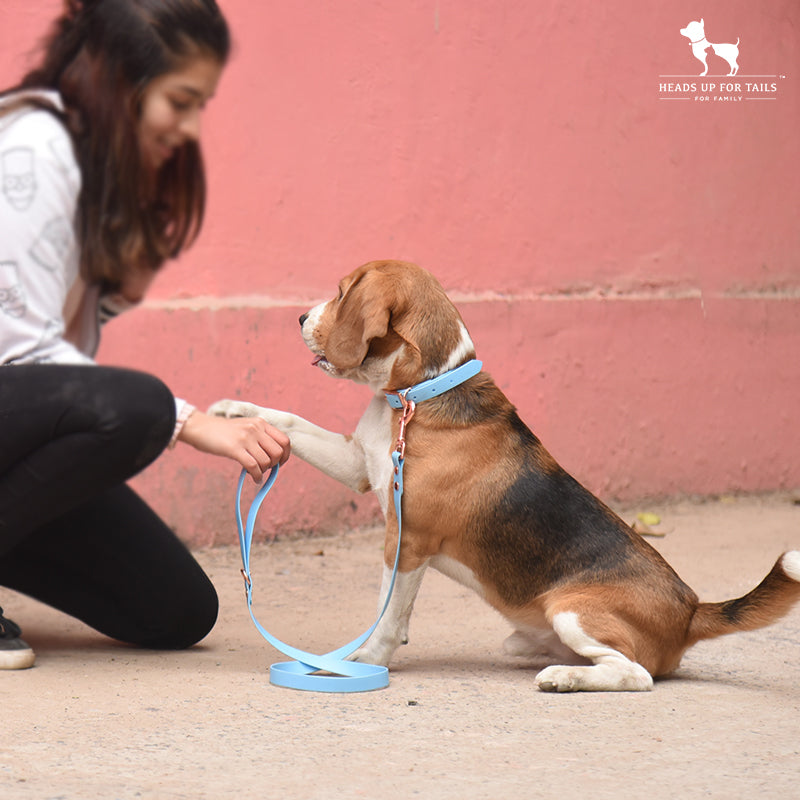
Training a Puppy
Training a puppy is an essential part of welcoming a new furry friend into your home. Establishing good habits early on can help create a strong bond between you and your puppy, as well as ensure their safety and well-being.
Basic Training Tips:
- Socialisation: Introduce your puppy to various people, animals, and environments to help them become well-adjusted adults.
- Potty Training: Use positive reinforcement and establish a consistent routine for bathroom breaks.
- Obedience Commands: Teach basic commands like sit, stay, come, and heel using rewards such as treats or praise.
- Crate Training: Create a safe space for your puppy to rest and relax when needed.
Advanced Training Techniques:
As your puppy grows older, you can introduce more advanced training techniques to further develop their skills and behaviour:
- Leash Training: Teach your puppy to walk calmly on a leash without pulling or tugging.
- Trick Training: Have fun teaching your puppy entertaining tricks like roll over, shake paws, or play dead.
- Agility Training: Engage your puppy in agility exercises to improve their physical fitness and mental stimulation.
Tips for Success:
Consistency is key when training a puppy. Be patient, use positive reinforcement techniques, and always keep training sessions short and enjoyable. Remember that every puppy learns at their own pace, so celebrate small victories along the way!
If you encounter challenges during training, seek guidance from professional trainers or behaviourists who can provide expert advice tailored to your puppy’s specific needs.
By investing time and effort into training your puppy, you are laying the foundation for a rewarding relationship built on trust, respect, and love.
Essential FAQs for Effective Puppy Training: Key Techniques and Timelines
- What is the first thing you should train your puppy?
- What is the 10 10 10 rule for puppy training?
- What is the fastest way to train a puppy?
- What are the five golden rules of dog training?
- What are the 3 C’s of dog training?
- What are the 7 basic dog commands?
- What is a good age to start training a puppy?
- What is the first thing you should train a puppy on?
What is the first thing you should train your puppy?
When embarking on the journey of training a puppy, one of the most common questions that arises is: “What is the first thing you should train your puppy?” The answer to this question often revolves around establishing a solid foundation of basic obedience. Teaching your puppy simple commands like sit, come, and stay can set the groundwork for more advanced training later on. By focusing on fundamental behaviours from the outset, you can instil discipline, build communication, and foster a positive learning environment for your puppy. Starting with these essential commands can pave the way for a successful training journey and help strengthen the bond between you and your new furry companion.
What is the 10 10 10 rule for puppy training?
The 10 10 10 rule for puppy training is a popular guideline that emphasises consistency, patience, and positive reinforcement in the training process. The rule suggests that training sessions should be kept short, around 10 minutes each, to maintain the puppy’s focus and prevent them from becoming overwhelmed. Additionally, training should occur at least 10 times a day to reinforce learning and establish good habits effectively. Finally, the rule highlights the importance of practising training exercises in various environments to help puppies generalise their skills and behaviours. Adhering to the 10 10 10 rule can lead to successful and enjoyable training experiences for both puppies and their owners.
What is the fastest way to train a puppy?
When it comes to training a puppy, many pet owners wonder about the fastest way to achieve results. While there is no one-size-fits-all answer, consistency, patience, and positive reinforcement are key factors in expediting the training process. Establishing a clear routine, using rewards such as treats or praise, and keeping training sessions short and engaging can help accelerate your puppy’s learning. It’s important to remember that every puppy is unique and may progress at their own pace. By focusing on building a strong bond with your puppy through consistent training efforts, you can set them up for success in the long run.
What are the five golden rules of dog training?
When it comes to training a puppy, following the five golden rules of dog training can set you and your furry companion up for success. Consistency is key – establish clear rules and boundaries that are consistently reinforced. Positive reinforcement encourages good behaviour and strengthens the bond between you and your puppy. Patience is essential as puppies learn at their own pace. Keep training sessions short, fun, and rewarding to maintain your puppy’s interest. Finally, practice makes perfect – regular training sessions help reinforce learning and build a well-behaved, happy pup. By adhering to these golden rules, you can nurture a well-adjusted and obedient companion for years to come.
What are the 3 C’s of dog training?
In dog training, the 3 C’s refer to Consistency, Clarity, and Communication. Consistency is key in reinforcing desired behaviours and setting clear expectations for your dog. By being consistent in your commands and rewards, you help your dog understand what is expected of them. Clarity involves using clear and concise cues to communicate with your dog effectively. Clear communication helps prevent confusion and aids in quick learning. Establishing a strong bond through effective communication based on the 3 C’s can lead to successful training outcomes and a harmonious relationship between you and your furry companion.
What are the 7 basic dog commands?
When it comes to training a puppy, understanding the seven basic dog commands is essential for building a strong foundation of obedience and communication. The seven fundamental commands include “sit,” “stay,” “come,” “down,” “heel,” “leave it,” and “off.” Teaching these commands to your puppy not only establishes control and discipline but also enhances the bond between you and your furry companion. Consistent practice, positive reinforcement, and patience are key elements in successfully teaching these basic commands to ensure a well-behaved and responsive pet.
What is a good age to start training a puppy?
Determining the optimal age to commence training a puppy is a common query among new pet owners. Experts generally recommend initiating basic training as early as 8 weeks of age, when puppies are more receptive to learning and adapting to new experiences. However, it’s crucial to consider the individual development and temperament of each puppy. While starting training early can establish good habits and strengthen the bond between owner and pet, it’s essential to focus on positive reinforcement techniques and keep training sessions short and engaging to ensure a positive learning experience for the puppy. Consulting with a professional trainer can provide guidance on tailoring a training plan that suits your puppy’s specific needs and abilities.
What is the first thing you should train a puppy on?
When embarking on the journey of training a puppy, one of the most crucial aspects to focus on initially is establishing good potty training habits. Teaching a puppy where and when to relieve themselves sets the foundation for a clean and harmonious living environment. Consistent positive reinforcement, patience, and a regular schedule for bathroom breaks are key elements in successful potty training. By prioritising this fundamental skill early on, pet owners can pave the way for a smoother training experience and build a strong bond with their puppy based on trust and understanding.