
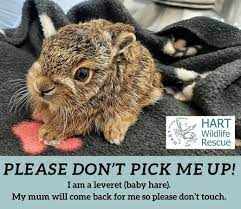
The Importance of Wildlife Rescue
Wildlife rescue plays a crucial role in saving the lives of injured, orphaned, or distressed wild animals. These dedicated organisations and volunteers work tirelessly to rehabilitate and release wildlife back into their natural habitats.
Why Wildlife Rescue Matters
Human activities such as habitat destruction, pollution, and climate change pose significant threats to wildlife populations. When animals are injured or displaced due to these factors, wildlife rescue centres provide essential care and support.
By rescuing and rehabilitating wildlife, these organisations help maintain biodiversity, preserve ecosystems, and protect endangered species. Every animal saved through wildlife rescue efforts contributes to the conservation of our natural world.
How Wildlife Rescue Works
Wildlife rescue centres are equipped with trained staff and facilities to provide medical treatment, rehabilitation, and temporary shelter for wild animals in need. They follow strict protocols to ensure the well-being of the animals under their care.
Once an animal has recovered or reached a suitable stage of rehabilitation, wildlife rescue teams work towards releasing them back into their native habitats. This process involves careful monitoring and preparation to give the animals the best chance of survival in the wild.
Get Involved in Wildlife Rescue
You can support wildlife rescue efforts by volunteering your time, donating resources, or spreading awareness about the importance of protecting wildlife. By joining hands with dedicated individuals and organisations in the field of wildlife rescue, you can make a positive impact on the lives of countless wild animals.
Together, we can work towards a future where humans coexist harmoniously with wildlife, ensuring a sustainable planet for generations to come.
Essential Tips for Safely Rescuing and Supporting Wildlife in Need
- Always prioritize your safety and the safety of the wildlife when attempting a rescue.
- Handle wildlife with care to avoid causing them further harm or stress.
- Do not attempt to rescue large or dangerous animals without professional help.
- Contact local wildlife rescue organisations or authorities for guidance and assistance.
- Use gloves and protective gear when handling wildlife to prevent injuries and transmission of diseases.
- Keep noise levels low and movements slow to avoid startling or stressing the animal during rescue.
- Provide warmth and shelter for rescued wildlife, especially young or injured animals.
- Avoid feeding rescued wildlife without proper knowledge of their dietary needs; seek advice from experts if needed.
- Release rescued wildlife back into their natural habitat as soon as they are healthy and ready.
Always prioritize your safety and the safety of the wildlife when attempting a rescue.
When engaging in wildlife rescue efforts, it is paramount to always prioritise both your safety and the safety of the animals involved. Approaching a distressed or injured wild animal requires caution and care to prevent harm to yourself and further stress to the animal. By ensuring that safety measures are in place and taking necessary precautions, you can conduct a successful rescue operation that benefits both you and the wildlife in need. Remember, protecting yourself enables you to provide effective help to the vulnerable creatures you aim to assist.
Handle wildlife with care to avoid causing them further harm or stress.
When engaging in wildlife rescue efforts, it is essential to handle wild animals with care to prevent causing them additional harm or stress. Approaching injured or distressed wildlife requires a gentle and cautious approach to ensure their well-being and safety. By handling wildlife with care and respect, rescuers can minimise the risk of exacerbating injuries or escalating stress levels in these vulnerable creatures. Prioritising the welfare of the animals during rescue operations is crucial in providing them with the best possible chance of recovery and successful rehabilitation back into their natural habitats.
Do not attempt to rescue large or dangerous animals without professional help.
When it comes to wildlife rescue, it is crucial to exercise caution and prioritise safety for both the rescuer and the animal in need. Attempting to rescue large or dangerous animals without professional help can pose significant risks and may result in harm to oneself or the animal. Professional wildlife rescue teams have the necessary training, equipment, and expertise to handle such situations safely and effectively. It is always best to contact these professionals for assistance when dealing with large or potentially dangerous wildlife, ensuring a successful rescue operation while minimising potential dangers.
Contact local wildlife rescue organisations or authorities for guidance and assistance.
When it comes to wildlife rescue, a crucial tip is to reach out to local wildlife rescue organisations or authorities for guidance and assistance. These dedicated professionals have the expertise and resources to provide proper care and support for injured or distressed wild animals. By contacting them, you can ensure that the animal receives the help it needs in a timely and effective manner, increasing its chances of survival and successful rehabilitation. Remember, seeking help from experienced wildlife rescue organisations is key to making a positive difference in the lives of wild animals in need.
Use gloves and protective gear when handling wildlife to prevent injuries and transmission of diseases.
When engaging in wildlife rescue activities, it is essential to prioritise safety by using gloves and protective gear while handling wild animals. This precaution not only helps prevent injuries to yourself but also minimises the risk of transmitting diseases between humans and wildlife. By taking these simple yet crucial steps, wildlife rescuers can ensure their own well-being while providing the necessary care and support to protect and rehabilitate vulnerable animals in need.
Keep noise levels low and movements slow to avoid startling or stressing the animal during rescue.
When engaging in wildlife rescue efforts, it is essential to keep noise levels low and movements slow to prevent startling or stressing the animal. By maintaining a calm and gentle approach, rescuers can create a safe and reassuring environment for the distressed wildlife, increasing the chances of a successful rescue and rehabilitation process. Patience and sensitivity towards the animal’s natural instincts are key in minimising further distress and ensuring a smooth transition towards receiving the necessary care and support.
Provide warmth and shelter for rescued wildlife, especially young or injured animals.
Providing warmth and shelter for rescued wildlife, particularly young or injured animals, is essential for their well-being and recovery. Maintaining a suitable environment helps regulate their body temperature, reduces stress, and supports their healing process. By creating a safe and comfortable space, wildlife rescue centres can give these vulnerable animals the best chance of survival and eventual release back into their natural habitats.
Avoid feeding rescued wildlife without proper knowledge of their dietary needs; seek advice from experts if needed.
It is crucial to avoid feeding rescued wildlife without proper knowledge of their dietary needs. Feeding them the wrong food can have serious consequences for their health and recovery. It is always best to seek advice from wildlife experts or professionals who can provide guidance on the appropriate diet for the specific species in your care. By ensuring that rescued wildlife receive the correct nutrition, we can help support their rehabilitation and increase their chances of a successful return to the wild.
Release rescued wildlife back into their natural habitat as soon as they are healthy and ready.
It is crucial in wildlife rescue to release rescued animals back into their natural habitat as soon as they are healthy and ready. Returning them to their native environment allows them to resume their natural behaviours and contribute to the ecosystem. By releasing wildlife promptly, we give them the best chance of survival and minimise the stress of captivity. This practice aligns with the goal of wildlife rescue to rehabilitate and reintegrate animals back into the wild where they belong.