
The Importance of Therapy Dog Training and Certification
Therapy dogs play a crucial role in providing comfort, support, and companionship to individuals in various settings, including hospitals, nursing homes, schools, and disaster areas. Their presence can have a profound impact on the well-being of those they interact with. However, it is essential for therapy dogs to undergo proper training and certification to ensure they are prepared for their important role.
Training Requirements
Therapy dog training focuses on developing specific skills that enable dogs to interact safely and effectively with people in need. Training typically includes obedience commands, socialisation exercises, desensitisation to various environments and stimuli, as well as learning how to remain calm in stressful situations.
Certification Process
Once a therapy dog has completed the necessary training, they can undergo certification through recognised organisations such as Therapy Dogs International (TDI) or the Alliance of Therapy Dogs. Certification involves an assessment of the dog’s behaviour, temperament, and ability to follow commands in different scenarios.
Benefits of Certification
Certification provides assurance to facilities and individuals that therapy dogs have met specific standards of behaviour and training. It also helps ensure the safety and well-being of both the dog and the people they interact with. Additionally, certified therapy dogs may have access to more opportunities for volunteering in various settings.
Conclusion
Therapy dog training and certification are essential steps in preparing dogs for their valuable role as providers of emotional support and companionship. By investing in proper training and certification, we can enhance the positive impact that therapy dogs have on individuals in need.
Essential FAQs on Therapy Dog Training and Certification in the UK
- What is therapy dog training?
- Why is therapy dog training important?
- How can I train my dog to be a therapy dog?
- What are the requirements for therapy dog certification?
- Which organisations offer therapy dog certification in the UK?
- How long does it take to train a therapy dog?
- Can any breed of dog become a therapy dog?
- What qualities make a good therapy dog?
- Do therapy dogs require special insurance or liability coverage?
What is therapy dog training?
Therapy dog training is a specialised programme designed to prepare dogs for their role as emotional support companions in various settings such as hospitals, nursing homes, schools, and disaster areas. This training focuses on teaching dogs specific skills, including obedience commands, socialisation, and desensitisation to different environments and stimuli. Therapy dog training aims to equip dogs with the ability to interact safely and calmly with individuals in need, providing comfort and companionship. Through proper training, therapy dogs learn how to navigate challenging situations and bring joy to those they encounter.
Why is therapy dog training important?
Therapy dog training is crucial for several reasons. Firstly, it equips dogs with the necessary skills to interact safely and effectively with individuals in various settings, ensuring both the dog’s well-being and the people they engage with. Additionally, proper training helps therapy dogs remain calm and composed in potentially stressful situations, allowing them to provide comfort and support to those in need. Furthermore, training instils obedience, socialisation, and desensitisation skills in therapy dogs, enhancing their ability to fulfil their role as emotional companions. Ultimately, therapy dog training is important as it ensures that these special animals are well-prepared to make a positive impact on the lives of others through their unique abilities and gentle nature.
How can I train my dog to be a therapy dog?
To train your dog to be a therapy dog, it is essential to start with a solid foundation of obedience training. Focus on teaching your dog basic commands such as sit, stay, come, and walking on a loose leash. Socialisation is also key – expose your dog to various environments, people, and situations to help them feel comfortable and confident in different settings. Consider enrolling in a therapy dog training programme that specifically prepares dogs for their role as therapy animals. Once your dog has mastered basic skills, you can work towards certification through recognised organisations that assess the dog’s behaviour, temperament, and ability to interact with others in a calm and controlled manner. With patience, dedication, and proper training, your dog can become a valuable therapy companion.
What are the requirements for therapy dog certification?
When it comes to therapy dog certification, the requirements typically involve thorough training to ensure that the dogs possess the necessary skills and temperament to interact safely and effectively with individuals in need. Training may include obedience commands, socialisation exercises, desensitisation to various environments, and the ability to remain calm in challenging situations. Certification processes conducted by recognised organisations such as Therapy Dogs International (TDI) or the Alliance of Therapy Dogs assess the dog’s behaviour, temperament, and response to commands in different scenarios. By meeting these requirements for certification, therapy dogs can demonstrate their readiness to provide comfort and support in a variety of settings.
Which organisations offer therapy dog certification in the UK?
In the UK, several reputable organisations offer therapy dog certification, ensuring that dogs are adequately trained and prepared for their role in providing comfort and support to those in need. Some of the well-known organisations that provide therapy dog certification include Therapy Dogs Nationwide (TDN), Pets As Therapy (PAT), and Canine Concern. These organisations have established standards and assessment processes to evaluate the behaviour, temperament, and training of therapy dogs, enabling them to make a positive impact in various healthcare, educational, and community settings across the UK.
How long does it take to train a therapy dog?
The duration required to train a therapy dog can vary depending on several factors, including the dog’s age, temperament, prior training experience, and the specific skills needed for therapy work. While some dogs may progress more quickly through training and certification, others may require more time to develop the necessary skills and behaviours. Typically, therapy dog training can take several months to a year to complete successfully. Consistent practice, positive reinforcement, and patience are key elements in the training process to ensure that the therapy dog is well-prepared for their important role in providing comfort and support to those in need.
Can any breed of dog become a therapy dog?
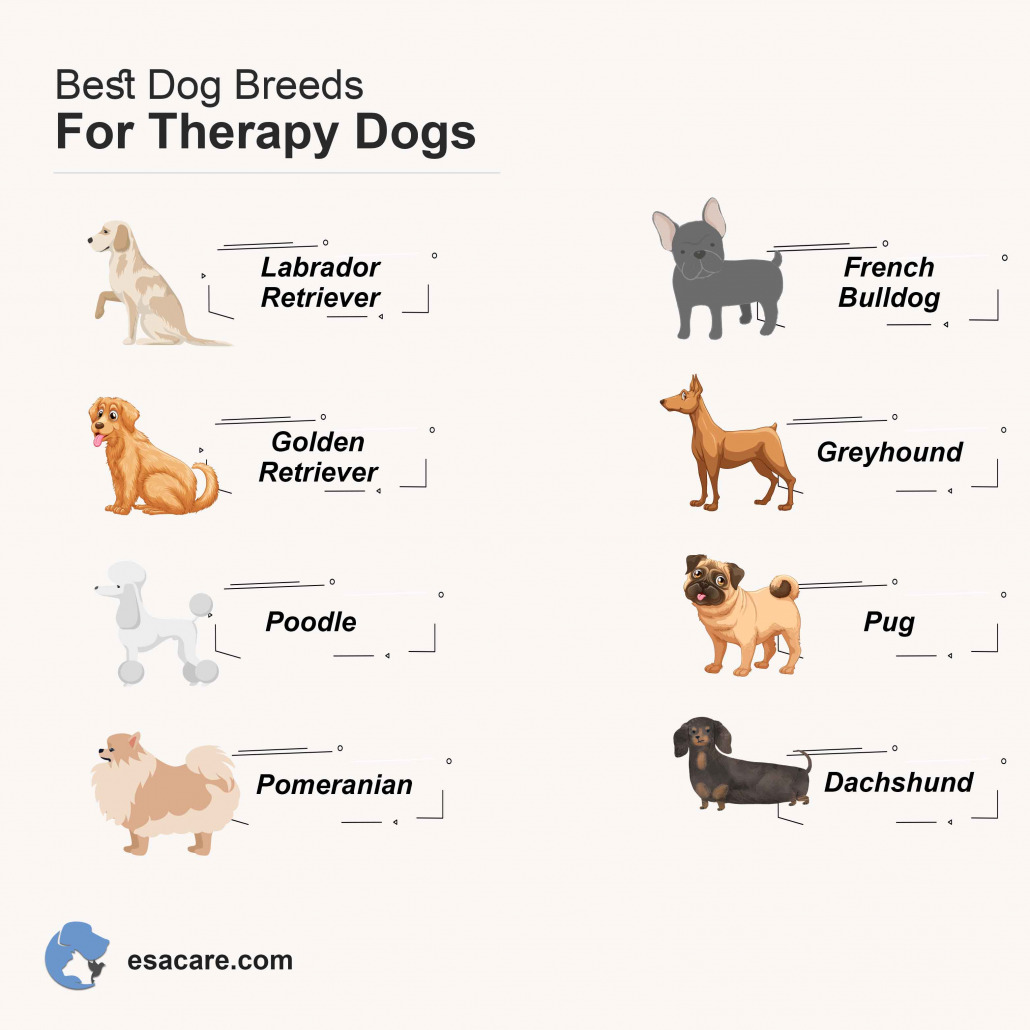
When it comes to therapy dog training and certification, the eligibility of breeds varies. While any breed of dog has the potential to become a therapy dog, certain characteristics such as temperament, sociability, and adaptability play a crucial role in determining suitability. Breeds known for their calm demeanour, good social skills, and ability to remain composed in various environments are often preferred for therapy work. However, what truly matters is an individual dog’s personality and willingness to engage with people in need. With proper training and assessment, dogs of diverse breeds can excel as therapy companions, bringing comfort and joy to those they interact with.
What qualities make a good therapy dog?
When considering what qualities make a good therapy dog, several key traits stand out. A good therapy dog should exhibit calmness, patience, and a gentle nature, allowing them to interact with a wide range of individuals in a soothing and comforting manner. Additionally, excellent social skills, adaptability to different environments, and a willingness to obey commands are essential qualities that enable a therapy dog to navigate various settings effectively. Furthermore, empathy, intuition, and the ability to provide unconditional love and support are crucial attributes that help create meaningful connections with those in need. Overall, a good therapy dog embodies qualities that promote trust, comfort, and emotional well-being in the individuals they interact with.
Do therapy dogs require special insurance or liability coverage?
When it comes to therapy dogs, a commonly asked question revolves around whether they require special insurance or liability coverage. While there is no universal answer to this question, many organisations and facilities that utilise therapy dog services may require handlers to have liability insurance to protect against any potential incidents or accidents that may occur during therapy dog visits. It is advisable for therapy dog handlers to inquire with the specific organisation or facility they wish to volunteer with regarding their insurance requirements to ensure compliance and the safety of all parties involved.