
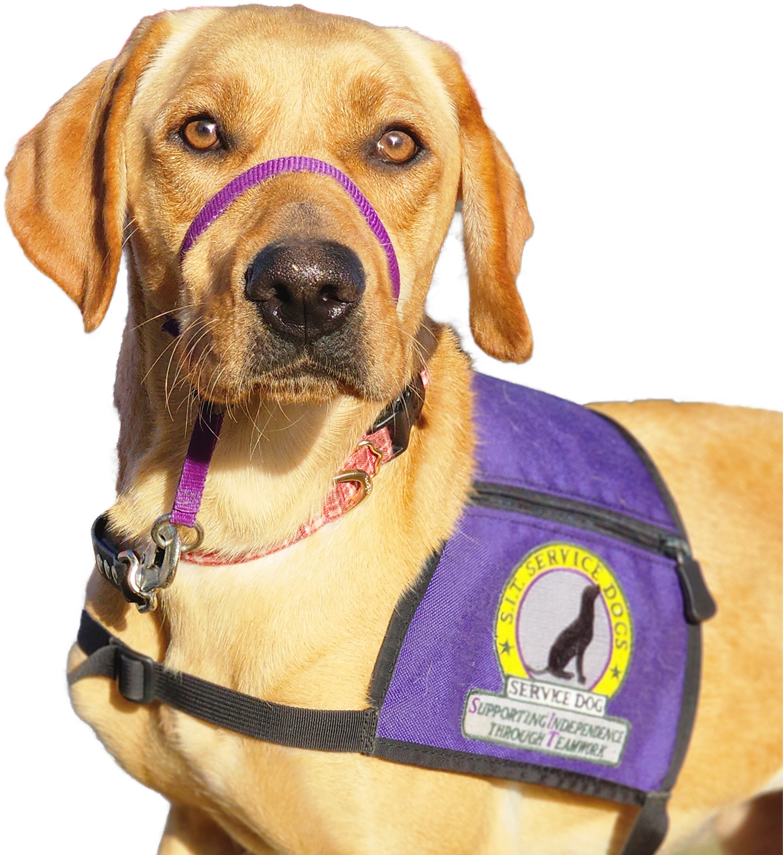
Assistance Canine Training Services
Assistance canine training services play a crucial role in enhancing the lives of individuals with disabilities by providing them with specially trained dogs that can assist them in various tasks and activities. These highly skilled service dogs are trained to perform specific tasks that cater to the unique needs of their handlers, offering them increased independence, confidence, and companionship.
Assistance canine training involves a comprehensive and structured approach that focuses on developing the dogs’ abilities to help individuals with physical disabilities, visual impairments, hearing loss, autism, epilepsy, and other conditions. The training process is tailored to meet the specific requirements of each individual client and their circumstances.
Service dogs are trained to perform a wide range of tasks, including but not limited to:
- Guiding individuals with visual impairments safely through their surroundings.
- Alerting individuals with hearing loss to important sounds or alarms.
- Providing physical support and assistance for individuals with mobility issues.
- Alerting individuals with medical conditions such as diabetes or epilepsy to potential health risks.
- Offering emotional support and comfort to individuals experiencing anxiety or PTSD.
The bond between an assistance dog and its handler is built on trust, communication, and mutual respect. Through positive reinforcement training methods, these remarkable animals learn how to respond to commands, anticipate their handler’s needs, and adapt to various environments with confidence and reliability.
It is essential for assistance canine training services to adhere to high standards of professionalism, ethics, and animal welfare practices. Trainers must have expertise in canine behaviour, learning theory, and disability awareness to ensure that service dogs are trained effectively and responsibly.
In conclusion, assistance canine training services play a vital role in empowering individuals with disabilities and improving their quality of life. These dedicated service dogs are more than just companions; they are lifelines that provide invaluable support and assistance to those in need.
7 Benefits of Assistance Canine Training Services: Enhancing Independence and Well-being
- Enhances independence for individuals with disabilities
- Provides companionship and emotional support
- Increases safety and security for handlers
- Improves quality of life and overall well-being
- Offers assistance in performing daily tasks and activities
- Promotes social interaction and community integration
- Reduces reliance on human assistance or aids
Challenges and Considerations in Assistance Canine Training Services: A Comprehensive Overview
- Costly investment for acquiring and training a service dog.
- Limited availability of trained service dogs, leading to long waiting lists.
- Ongoing maintenance costs for the care, health, and well-being of the service dog.
- Potential challenges in public access rights and acceptance of service dogs in certain establishments.
- The intensive training process may be time-consuming and require significant commitment from the handler.
- Service dogs may experience burnout or health issues due to the demanding nature of their duties.
- Mismatch between the dog’s temperament and the handler’s needs can result in ineffective assistance.
Enhances independence for individuals with disabilities
Assistance canine training services offer a significant advantage by enhancing independence for individuals with disabilities. Specially trained service dogs provide invaluable support to their handlers, enabling them to carry out daily tasks and navigate their surroundings with greater autonomy and confidence. By assisting in mobility, communication, and daily living activities, these service dogs empower individuals to lead more independent lives, fostering a sense of self-reliance and freedom that can positively impact their overall well-being and quality of life.
Provides companionship and emotional support
One significant benefit of assistance canine training services is the provision of companionship and emotional support to individuals in need. These specially trained service dogs not only assist with practical tasks but also offer unconditional love, comfort, and companionship to their handlers. The presence of a loyal and empathetic companion can greatly improve the emotional well-being and mental health of individuals, providing them with a sense of security, companionship, and connection that can be truly transformative.
Increases safety and security for handlers
One significant advantage of assistance canine training services is the heightened safety and security they provide for handlers. Trained service dogs are equipped to alert their handlers to potential dangers, navigate through obstacles, and provide physical support in challenging situations. This increased sense of safety and security allows handlers to move more confidently and independently in their daily lives, knowing that their loyal canine companion is there to watch over them and offer assistance when needed.
Improves quality of life and overall well-being
Assistance canine training services significantly enhance the quality of life and overall well-being of individuals with disabilities. These specially trained service dogs not only provide practical assistance in daily tasks but also offer emotional support, companionship, and a sense of security to their handlers. By promoting independence, confidence, and social interaction, service dogs contribute to a more fulfilling and balanced life for their owners, positively impacting their mental health and emotional resilience. The presence of a well-trained assistance dog can bring joy, comfort, and a profound sense of connection that greatly improves the overall well-being of individuals facing challenges due to disabilities.
Offers assistance in performing daily tasks and activities
One significant advantage of assistance canine training services is the invaluable support they provide in helping individuals perform daily tasks and activities. These specially trained service dogs are equipped to assist with a variety of essential tasks, such as fetching items, opening doors, turning on lights, and providing physical support for mobility. By offering practical assistance in day-to-day activities, service dogs enhance the independence and quality of life for individuals with disabilities, allowing them to navigate their routines with greater ease and confidence.
Promotes social interaction and community integration
Assistance canine training services not only provide invaluable support to individuals with disabilities but also play a significant role in promoting social interaction and community integration. These specially trained service dogs serve as ambassadors, breaking down barriers and fostering connections between their handlers and the people around them. By accompanying individuals with disabilities in public spaces, service dogs encourage positive interactions, raise awareness about disability rights, and help create a more inclusive society where everyone feels accepted and valued. The presence of assistance dogs can spark conversations, build bridges between people from different backgrounds, and contribute to a more compassionate and understanding community ethos.
Reduces reliance on human assistance or aids
One significant advantage of assistance canine training services is their ability to reduce reliance on human assistance or aids for individuals with disabilities. Specially trained service dogs can perform a variety of tasks and provide support that would otherwise require the presence of another person or the use of assistive devices. This independence not only enhances the individual’s quality of life but also promotes a sense of self-reliance and empowerment, allowing them to navigate daily activities with greater freedom and confidence.
Costly investment for acquiring and training a service dog.
One significant drawback of assistance canine training services is the substantial financial investment required to acquire and train a service dog. The cost of purchasing a specially trained service dog and providing the necessary training can be prohibitive for many individuals with disabilities who could benefit from their assistance. From the initial purchase or adoption of a suitable candidate to the ongoing expenses associated with professional training, veterinary care, and maintenance, the financial burden can be overwhelming for those already facing financial constraints. This high cost can limit access to these invaluable service animals for individuals who would greatly benefit from their support but are unable to afford the considerable expenses involved in acquiring and training a service dog.
Limited availability of trained service dogs, leading to long waiting lists.
The limited availability of trained service dogs in assistance canine training services often results in lengthy waiting lists for individuals in need of these highly skilled companions. This extended waiting period can be frustrating and challenging for those seeking the support and assistance that service dogs provide. The demand for trained service dogs far exceeds the supply, creating a significant barrier for individuals with disabilities who are eagerly awaiting the opportunity to benefit from the life-changing assistance these remarkable animals offer.
Ongoing maintenance costs for the care, health, and well-being of the service dog.
One significant drawback of assistance canine training services is the ongoing maintenance costs associated with the care, health, and well-being of the service dog. While these specially trained dogs provide invaluable support to individuals with disabilities, the financial responsibility of ensuring their proper care can be a burden for some handlers. Expenses such as veterinary bills, grooming, food, medications, and regular health check-ups can accumulate over time, posing a challenge for individuals on limited budgets. The commitment to providing a high standard of care for service dogs is essential but can place strain on the financial resources of both the handler and the training organisation.
Potential challenges in public access rights and acceptance of service dogs in certain establishments.
One significant con of assistance canine training services is the potential challenges faced in public access rights and the acceptance of service dogs in certain establishments. Despite the legal protections afforded to service dogs and their handlers, there are instances where individuals with disabilities may encounter resistance or discrimination when trying to access public spaces or establishments with their service dogs. Some establishments may be unaware of the laws regarding service animals or may have misconceptions about their presence, leading to difficulties for individuals who rely on these trained dogs for assistance. This lack of awareness and acceptance can create barriers to inclusion and independence for those in need of service dog support.
The intensive training process may be time-consuming and require significant commitment from the handler.
One notable drawback of assistance canine training services is the demanding nature of the intensive training process, which can be time-consuming and necessitate a substantial commitment from the handler. Training a service dog to perform specific tasks tailored to an individual’s needs requires consistent effort, patience, and dedication from both the handler and the dog. The extensive training regimen may involve regular practice sessions, reinforcement exercises, and ongoing supervision to ensure that the dog achieves the necessary skills and behaviours. This level of commitment can be challenging for some handlers who may have limited time or resources available to dedicate to the rigorous training process.
Service dogs may experience burnout or health issues due to the demanding nature of their duties.
Service dogs in assistance canine training services may be at risk of experiencing burnout or health issues as a consequence of the demanding nature of their responsibilities. The rigorous training, constant alertness, and physical exertion required of these service animals can take a toll on their well-being over time. Just like humans, service dogs need adequate rest, proper care, and opportunities for relaxation to maintain their health and performance levels. It is crucial for assistance canine training services to prioritise the welfare of these dedicated animals and implement measures to prevent burnout and ensure their long-term physical and emotional well-being.
Mismatch between the dog’s temperament and the handler’s needs can result in ineffective assistance.
A significant drawback of assistance canine training services is the potential mismatch between the dog’s temperament and the handler’s needs, which can lead to ineffective assistance. When a service dog is not well-suited to the specific requirements and personality of its handler, it may struggle to perform tasks effectively or respond appropriately to commands. This mismatch can create challenges in communication and hinder the development of a strong bond between the dog and its handler, ultimately compromising the quality of assistance provided. It is crucial for assistance canine training programmes to carefully assess and match dogs with handlers based on compatibility factors to ensure successful outcomes and optimal support for individuals with disabilities.