
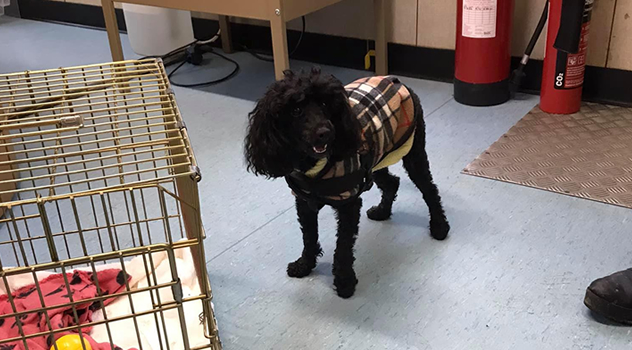
The Joys of Adopting a Rescue Pet
There is something truly special about welcoming a rescue pet into your home. These animals, often coming from difficult backgrounds, have so much love and gratitude to offer in return for a second chance at happiness.
Rescue pets come in all shapes, sizes, and breeds. Whether you are looking for a loyal canine companion, a cuddly feline friend, or even a small critter like a rabbit or guinea pig, there is a rescue pet out there waiting for you.
One of the most rewarding aspects of adopting a rescue pet is knowing that you are giving them the opportunity to experience love and care in a safe environment. Many rescue pets have faced neglect, abuse, or abandonment in their past, and by opening your heart and home to them, you are providing them with the chance to thrive.
Rescue pets often exhibit incredible resilience and gratitude. Despite their challenging pasts, many of these animals are quick to form deep bonds with their new families and show immense loyalty and affection. The bond that forms between a rescue pet and their adopter is truly special and can bring immense joy and fulfilment to both parties.
Additionally, adopting a rescue pet can be a wonderful way to support animal welfare organisations and shelters. By choosing to adopt rather than shop for a pet, you are helping to reduce the number of animals in need of homes and supporting the valuable work of rescue groups dedicated to saving and caring for animals in need.
If you are considering adding a new furry or feathered friend to your family, why not explore the option of adopting a rescue pet? Not only will you be gaining a loving companion, but you will also be making a positive difference in the life of an animal who deserves a second chance.
Essential FAQs About Adopting and Supporting Rescue Pets
- 1. How can I adopt a rescue pet?
- 2. What are the benefits of adopting a rescue pet?
- 3. Are rescue pets good with children?
- 4. How do I know if a rescue pet is the right fit for my family?
- 5. What kind of support is available for new owners of rescue pets?
- 6. Are rescue pets already trained or do they need additional training?
- 7. What should I consider before adopting a rescue pet?
- 8. How can I help support local animal shelters and rescues even if I’m not ready to adopt?
1. How can I adopt a rescue pet?
To adopt a rescue pet, the first step is to research local animal shelters, rescue organisations, and adoption events in your area. These facilities often have a variety of animals available for adoption, ranging from dogs and cats to rabbits and birds. Once you find a pet that captures your heart, you will typically need to fill out an adoption application and undergo a screening process to ensure that you are a suitable match for the animal. Adoption fees may apply to cover the cost of vaccinations, spaying/neutering, and other medical care provided to the pet. By choosing to adopt a rescue pet, you are not only gaining a loving companion but also giving an animal in need a second chance at a happy and fulfilling life.
2. What are the benefits of adopting a rescue pet?
Adopting a rescue pet comes with a multitude of benefits. Firstly, by choosing to adopt a rescue pet, you are providing a loving home to an animal in need and giving them a second chance at a happy life. Rescue pets often show immense gratitude and loyalty towards their adopters, forming deep bonds that can bring immense joy and companionship. Additionally, adopting a rescue pet helps support animal welfare organisations and shelters by reducing the number of animals in need of homes and contributing to the vital work of rescuing and caring for animals in distress. Overall, the benefits of adopting a rescue pet extend beyond just adding a new member to your family – it’s about making a positive impact on the life of an animal who deserves love and care.
3. Are rescue pets good with children?
When it comes to the compatibility of rescue pets with children, the answer is not one-size-fits-all. While many rescue pets, including dogs and cats, can be wonderful companions for children and form strong bonds with them, it’s essential to consider each animal’s unique personality and background. Some rescue pets may have specific needs or past experiences that could impact their interactions with children. It’s crucial to introduce any new pet to children gradually and under supervision, allowing both the pet and the child to get comfortable with each other. With patience, understanding, and proper training, rescue pets can often become beloved members of a family and create lasting memories with children.
4. How do I know if a rescue pet is the right fit for my family?
When considering if a rescue pet is the right fit for your family, it is important to assess various factors to ensure a successful match. Take into account the pet’s temperament, energy level, and compatibility with your lifestyle and living situation. Consider any specific needs or behavioural traits the pet may have and determine if you can provide the necessary care and support. It is also beneficial to spend time interacting with the pet before making a decision, as this can give you insight into their personality and how they may integrate into your family dynamic. Ultimately, choosing a rescue pet that aligns with your family’s values, routines, and capacity for care can lead to a fulfilling and lasting companionship for all involved.
5. What kind of support is available for new owners of rescue pets?
New owners of rescue pets can access a variety of support services to help them navigate the transition and provide the best care for their new furry family member. Many animal shelters and rescue organisations offer resources such as training classes, behavioural counselling, and guidance on pet healthcare. Additionally, online forums and community groups provide a platform for new owners to seek advice, share experiences, and connect with fellow pet lovers. By utilising these support systems, new owners can feel empowered and equipped to give their rescue pet the love, attention, and care they deserve.
6. Are rescue pets already trained or do they need additional training?
When considering adopting a rescue pet, it’s important to understand that each animal has its own unique background and experiences. While some rescue pets may have received basic training or have good manners, many will benefit from additional training to help them adjust to their new home and family. Adopting a rescue pet is a wonderful opportunity to provide them with the guidance and support they need to thrive in their new environment. With patience, consistency, and positive reinforcement, rescue pets can learn new behaviours and become loving, well-adjusted companions.
7. What should I consider before adopting a rescue pet?
Before adopting a rescue pet, there are several important factors to consider. Firstly, think about your lifestyle and how it aligns with the needs of the pet you are considering. Different animals have varying requirements in terms of exercise, grooming, and socialisation. It’s essential to ensure that you can provide the time, attention, and resources necessary to meet your new pet’s needs. Additionally, consider any existing pets in your household and how they might interact with a new companion. Understanding the commitment involved in caring for a rescue pet, including potential behavioural challenges or health issues that may arise, is crucial in making an informed decision that will benefit both you and your future furry friend.
8. How can I help support local animal shelters and rescues even if I’m not ready to adopt?
For those who are not yet ready to adopt a rescue pet, there are still plenty of ways to support local animal shelters and rescues. One impactful way is to volunteer your time at the shelter, helping with tasks such as walking dogs, socialising cats, or assisting with cleaning and maintenance. Donating supplies such as food, bedding, toys, and cleaning supplies is another great way to support shelters in need. Additionally, fundraising efforts, spreading awareness about adoptable pets through social media, and participating in adoption events can all make a significant difference in helping animals find their forever homes. By getting involved in these ways, even without adopting a pet yourself, you can play a vital role in supporting the important work of local animal shelters and rescues.