
The Average Cost of Obedience Training for Dogs
Obedience training is essential for fostering a strong bond between you and your canine companion. It helps in establishing communication, discipline, and mutual understanding. If you’re considering enrolling your dog in obedience training, it’s important to understand the average costs involved.
The cost of obedience training for dogs can vary depending on several factors such as the location, duration of the training program, the trainer’s experience, and the specific needs of your dog. On average, group obedience classes can range from £50 to £150 per session. These classes typically last for several weeks and cover basic commands like sit, stay, heel, and come.
Private obedience training sessions tend to be more expensive due to the one-on-one attention provided by the trainer. The cost of private sessions can range from £30 to £100 per hour. Private training is beneficial for dogs with specific behavioural issues or those who require individualised attention.
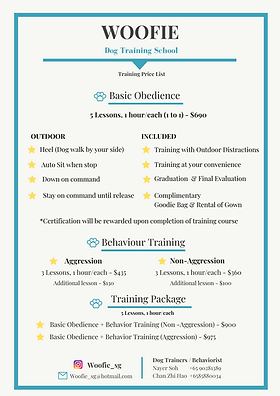
Some dog trainers offer package deals that include multiple sessions at a discounted rate. These packages can range from £200 to £500 or more, depending on the number of sessions included and the level of training offered.
It’s important to research different trainers in your area and inquire about their pricing structure and training methods before making a decision. Remember that investing in obedience training for your dog is an investment in their well-being and happiness.
Ultimately, the cost of obedience training for dogs is a worthwhile expense that can lead to a lifetime of companionship and harmony between you and your furry friend.
Understanding the Costs of Dog Obedience Training: Top 8 FAQs
- What is the average cost of obedience training for dogs?
- How much does group obedience training for dogs typically cost?
- What factors can influence the cost of obedience training for dogs?
- Is private obedience training more expensive than group classes?
- Are there any discounts available for obedience training packages?
- Do trainers charge per session or per hour for private obedience training?
- Can the duration of the training program affect the overall cost?
- Are there any additional fees to consider when budgeting for dog obedience training?
What is the average cost of obedience training for dogs?
When it comes to the average cost of obedience training for dogs, it typically ranges depending on various factors such as location, type of training (group or private), duration of sessions, and the trainer’s expertise. On average, group obedience classes can cost between £50 to £150 per session, while private sessions may range from £30 to £100 per hour. Some trainers offer package deals with discounted rates based on the number of sessions included. Investing in obedience training for your dog is not just a financial commitment but also an investment in building a strong bond and fostering good behaviour that will benefit both you and your furry companion in the long run.
How much does group obedience training for dogs typically cost?
Group obedience training for dogs typically costs between £50 to £150 per session on average. These classes, which usually span several weeks, focus on teaching basic commands such as sit, stay, heel, and come in a group setting. The cost can vary based on factors like the location of the training facility, the experience of the trainer, and the specific curriculum covered during the sessions. Group training offers a social environment for both dogs and owners to learn together and is a cost-effective way to instil good behaviour in your canine companion.
What factors can influence the cost of obedience training for dogs?
Several factors can influence the cost of obedience training for dogs. The location of the training facility plays a significant role, as prices can vary depending on the region or city. The duration and intensity of the training program also impact the cost, with longer and more comprehensive programs typically being more expensive. The experience and qualifications of the trainer can affect pricing, as more experienced trainers may charge higher fees for their expertise. Additionally, the specific needs of your dog, such as behavioural issues or advanced training requirements, can result in higher costs for tailored training solutions. It’s essential to consider these factors when determining the average cost of obedience training for dogs to ensure that you find a program that meets both your budget and your pet’s needs.
Is private obedience training more expensive than group classes?
When comparing the average cost of obedience training for dogs, it is generally observed that private obedience training tends to be more expensive than group classes. Private sessions offer one-on-one attention from the trainer, tailored specifically to the individual needs and behavioural issues of the dog. This personalised approach often results in a higher price range, typically ranging from £30 to £100 per hour. On the other hand, group classes are more cost-effective, with prices averaging between £50 to £150 per session. While private training may come at a higher cost, the benefits of individualised attention and targeted training can lead to quicker and more effective results for your canine companion.
Are there any discounts available for obedience training packages?
When it comes to obedience training packages for dogs, many trainers offer discounts for bundled sessions. Some trainers provide package deals that include multiple training sessions at a discounted rate, making it a cost-effective option for pet owners looking to commit to a comprehensive training programme. These discounted packages often vary in price depending on the number of sessions included and the level of training offered. It’s worth inquiring with different trainers about any available discounts on obedience training packages to find the best value for your investment in your dog’s training and well-being.
Do trainers charge per session or per hour for private obedience training?
When it comes to private obedience training for dogs, trainers typically charge per hour rather than per session. The hourly rate for private training sessions can vary depending on the trainer’s experience, location, and the specific needs of the dog. Private training offers personalised attention and tailored solutions to address behavioural issues or specific training goals. Pet owners should inquire about the trainer’s hourly rates and discuss their expectations to ensure a successful and beneficial training experience for both dog and owner.
Can the duration of the training program affect the overall cost?
The duration of the training program can indeed have an impact on the overall cost of obedience training for dogs. Typically, longer training programs that span several weeks or months may come at a higher cost compared to shorter, more condensed programs. This is because extended training periods allow for more in-depth instruction, reinforcement of behaviours, and ongoing support from the trainer. While shorter programs may be more budget-friendly, investing in a longer training duration can often yield more comprehensive results and a stronger foundation for your dog’s obedience skills in the long run.
Are there any additional fees to consider when budgeting for dog obedience training?
When budgeting for dog obedience training, it’s important to consider any additional fees that may arise beyond the base cost of the training sessions. Some trainers may charge extra for initial assessments, training materials such as leashes or treats, or additional services like follow-up sessions or behavioural consultations. It’s also wise to inquire about any cancellation fees or rescheduling charges that may apply. Understanding and accounting for these potential additional fees upfront can help you plan your budget effectively and ensure a smooth and successful training experience for your canine companion.