
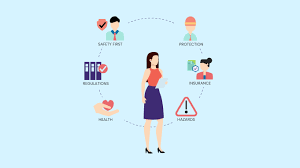
Safety in Animal Training
Safety is at the heart of effective animal training. A calm, secure environment helps animals learn while protecting them, their handlers and everyone nearby. Whether you are working with a dog, cat, horse or another companion animal, taking time to plan each session can make training safer and more positive.
Prepare a safe environment
Choose a training space suited to the animal and the activity. Check for hazards such as traffic, sharp objects, slippery floors, loose cables or anything the animal could chew or swallow. Make sure gates, doors, fences and barriers are secure, and allow enough room for the animal to move without feeling trapped.
Keep sessions as calm as possible. Reduce unnecessary noise and distractions, particularly when an animal is new to training or easily unsettled. Around unfamiliar animals, introduce people and other pets gradually and maintain a safe distance until everyone is comfortable.
Use suitable equipment
Use equipment that fits properly and is appropriate for the animal, its size and the training activity. Check collars, leads, harnesses, gates and other equipment before each session for damage or wear. Equipment should not restrict breathing, movement or comfort.
Training tools should support safe, humane learning. Avoid methods or equipment that cause pain, fear or distress. If you are unsure what is suitable, seek advice from a qualified animal-training professional or your veterinary practice.
Recognise signs of stress
Animals communicate through their behaviour and body language. Signs of discomfort or stress can include trying to move away, becoming unusually still, vocalising, panting when it is not hot, pinned-back ears, a tucked tail or a sudden change in behaviour. Signs differ between species and individuals, so take time to understand what is normal for the animal you are working with.
If an animal appears distressed, pause the session and give it space. Do not force it to continue. Short, manageable sessions with breaks can help keep learning enjoyable and reduce the chance of frustration or overwhelm.
Keep people safe too
Handlers should stay attentive and avoid wrapping leads around their hands or allowing them to become tangled. Children should be supervised closely around animals and taught to approach calmly, give animals space while they eat or rest, and avoid pulling, chasing or startling them. Never leave a young child alone with an animal, even if the animal is familiar.
When working with more than one animal, consider how they behave together and whether they should be trained separately. If there is a history of biting, aggression or serious fear, do not try to manage the situation alone. Arrange professional support and follow appropriate safety precautions.
Know when to stop
Training should not take place when an animal is unwell, injured or exhausted. Stop if the animal or handler becomes overwhelmed, and contact a veterinary professional if you notice a sudden or concerning change in health or behaviour. A training plan should always take the animal’s wellbeing into account.
Make safety part of every session
Good preparation, appropriate equipment and careful attention to behaviour all contribute to safer training. By working at the animal’s pace and using kind, consistent methods, owners can create an environment where learning is both rewarding and secure.
Essential Safety Tips for Everyday Life
- Wear a seat belt on every journey.
- Keep smoke alarms working and test them monthly.
- Store medicines and chemicals out of children’s reach.
- Use a handrail on stairs.
- Keep clear of wet floors and icy paths.
- Learn basic first aid and how to call 999.
- Never leave cooking unattended.
Wear a seat belt on every journey.
Wear a seat belt on every journey, no matter how short the trip. It helps protect you and your passengers by reducing the risk of serious injury if the vehicle stops suddenly or is involved in a collision. Check that everyone is buckled up before setting off, and make sure children use an appropriate car seat or booster.
Keep smoke alarms working and test them monthly.
Keep smoke alarms working to give everyone an early warning if there is a fire. Test each alarm once a month, replace batteries when needed, and follow the manufacturer’s guidance on when to replace the unit. Make sure alarms are installed in suitable locations and can be heard throughout your home.
Store medicines and chemicals out of children’s reach.
Store medicines and household chemicals in their original, clearly labelled containers, secured in a locked cupboard and well out of children’s reach. Even everyday products can be dangerous if swallowed, touched or splashed, so never leave them unattended or transfer them into food or drink containers. Keep them safely stored after use, and follow the label instructions for handling and disposal.
Use a handrail on stairs.
Use a handrail whenever you go up or down stairs to help maintain your balance and reduce the risk of slipping or falling. Hold it securely, keep the stairs clear of obstacles and take extra care if you are carrying something or the steps are wet.
Keep clear of wet floors and icy paths.
Keep clear of wet floors and icy paths when training or walking your animal, as they can cause slips and injuries for both of you. Choose a dry, non-slip area where possible, and take extra care in cold or wet weather. If a path looks slippery, find a safer route rather than risking a fall.
Learn basic first aid and how to call 999.
Learn basic first aid so you can respond calmly if someone is injured, and make sure you know how to call 999 in an emergency. Be ready to explain your location, what has happened and what help is needed, then follow the call handler’s instructions. For animal emergencies, contact a veterinary practice, as 999 is for urgent emergencies involving people.
Never leave cooking unattended.
Never leave cooking unattended, even for a moment. A pan can overheat or food can catch fire quickly, so stay in the kitchen while using the hob and keep flammable items, such as tea towels and packaging, well away from heat. If you need to leave, switch off the cooker first.