
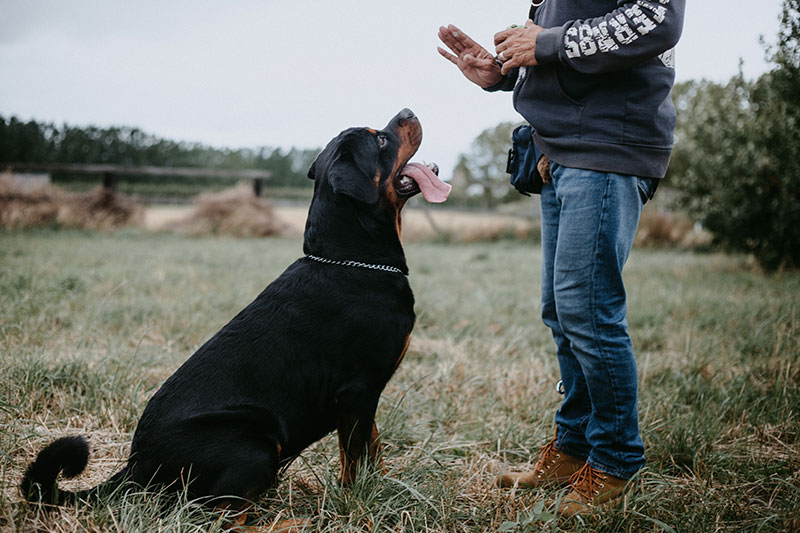
The Importance of Training a Puppy
Training a puppy is a crucial step in ensuring a happy and well-behaved companion for life. Early training not only helps to establish good behaviour patterns but also strengthens the bond between you and your furry friend.
Basic Training Tips:
- Consistency: Set clear rules and boundaries from the start and be consistent in enforcing them.
- Positive Reinforcement: Reward good behaviour with treats, praise, or playtime to encourage your puppy to repeat it.
- Potty Training: Establish a routine for bathroom breaks and praise your puppy when they go in the right place.
- Socialisation: Expose your puppy to various people, animals, and environments to help them become well-adjusted adults.
Training Techniques:
There are different methods of training puppies, including clicker training, leash training, and crate training. It’s essential to choose a technique that suits your puppy’s personality and learning style.
Professional Training:
If you’re struggling with training or need guidance, consider enrolling your puppy in obedience classes or hiring a professional trainer. They can provide expert advice and support to help you and your puppy succeed.
Patience is Key:
Remember that training takes time and patience. Be patient with your puppy, stay positive, and celebrate small victories along the way. With dedication and consistency, you’ll see progress in your puppy’s behaviour over time.
In conclusion,
Training a puppy is an investment in their future well-being and happiness. By starting early and using positive reinforcement techniques, you can help shape your puppy into a well-mannered companion that brings joy to your life every day.
Top 5 Essential Tips for Successfully Training Your Puppy
- Start training early to establish good habits
- Use positive reinforcement such as treats and praise
- Be patient and consistent in your training approach
- Socialize your puppy with other dogs and people from a young age
- Provide plenty of exercise and mental stimulation for a happy, well-behaved pup
Start training early to establish good habits
Starting training early is essential to establish good habits in your puppy. By introducing basic commands and routines from a young age, you can set a strong foundation for positive behaviour and obedience. Early training helps your puppy understand what is expected of them and encourages consistency in their actions. By instilling good habits early on, you can prevent common behavioural issues and create a harmonious relationship based on mutual understanding and respect.
Use positive reinforcement such as treats and praise
When training a puppy, employing positive reinforcement techniques like offering treats and praise can be highly effective. By rewarding desired behaviours with treats and verbal praise, you not only motivate your puppy to repeat those behaviours but also create a positive association with learning and obeying commands. This approach helps build trust between you and your puppy, making the training process more enjoyable for both of you while fostering a strong bond based on mutual respect and encouragement.
Be patient and consistent in your training approach
When training a puppy, it is essential to be patient and consistent in your approach. Puppies are learning and adapting to their environment, so it’s important to give them time to understand and respond to your commands. By being patient, you create a positive learning environment that helps build trust and a strong bond between you and your puppy. Consistency in training methods and rules reinforces expectations and helps your puppy understand what is expected of them, leading to more effective and lasting results in their behaviour.
Socialize your puppy with other dogs and people from a young age
Socialising your puppy with other dogs and people from a young age is essential for their development and overall well-being. Introducing your puppy to different experiences early on helps them build confidence, learn proper social skills, and become comfortable in various situations. Positive interactions with other dogs and people can prevent fear and aggression issues later in life, creating a friendly and well-adjusted companion. Remember, early socialisation lays the foundation for a happy and harmonious relationship between your puppy and the world around them.
Provide plenty of exercise and mental stimulation for a happy, well-behaved pup
Providing plenty of exercise and mental stimulation is essential for raising a happy, well-behaved puppy. Regular physical activity not only helps to keep your pup healthy and fit but also channels their energy in a positive way, reducing the likelihood of destructive behaviour out of boredom. Mental stimulation, such as interactive toys, puzzle games, and training sessions, engages your puppy’s mind and prevents them from becoming restless or anxious. A tired pup is a content pup, so incorporating both physical exercise and mental challenges into your daily routine will contribute to a well-rounded and fulfilled companion.