
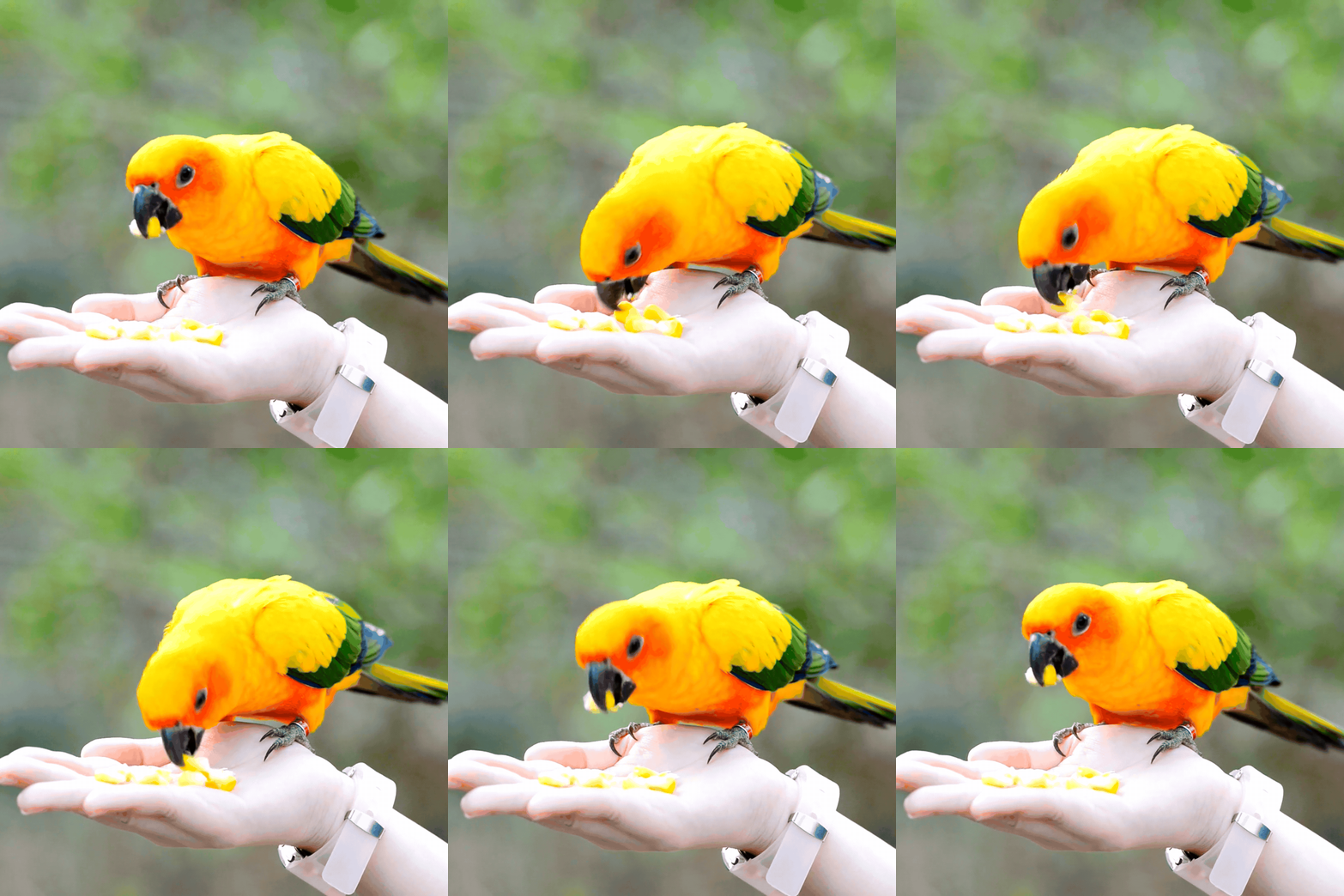
The Fascinating World of Birds
Birds are some of the most captivating creatures on our planet. With their diverse shapes, sizes, colours, and behaviours, they never fail to intrigue and inspire us.
From the majestic eagle soaring high in the sky to the tiny hummingbird hovering delicately over a flower, each bird species brings its own unique charm to the natural world.
One of the remarkable features of birds is their ability to fly. Their wings allow them to navigate the skies with grace and agility, reaching incredible speeds and heights. This aerial prowess has long fascinated humans and has inspired countless myths, legends, and works of art.
But birds are not just masters of flight; they also exhibit a wide range of behaviours that showcase their intelligence and adaptability. From complex mating rituals to intricate nest-building techniques, birds demonstrate remarkable skills that have evolved over millions of years.
Furthermore, birds play vital roles in ecosystems around the world. As pollinators, seed dispersers, pest controllers, and indicators of environmental health, they contribute significantly to maintaining the balance of nature.
Unfortunately, many bird species are facing threats such as habitat loss, pollution, climate change, and illegal poaching. Conservation efforts are crucial to protecting these magnificent creatures and ensuring their survival for future generations.
Whether you’re a casual observer or a dedicated birdwatcher, there is always something new to discover about these feathered wonders. Take a moment to appreciate the beauty and diversity of birds – they truly enrich our lives in more ways than we can imagine.
7 Essential Tips for Attracting and Caring for Garden Birds in the UK
- Provide fresh water for birds to drink and bathe.
- Offer a variety of bird seeds and nuts to attract different species.
- Place bird feeders in safe locations away from predators.
- Clean bird feeders regularly to prevent the spread of disease.
- Avoid feeding birds with bread, as it lacks nutritional value for them.
- Create nesting spaces by putting up bird boxes or leaving out natural materials like twigs and leaves.
- Learn about local bird species to better understand their behaviours and needs.
Provide fresh water for birds to drink and bathe.
Providing fresh water for birds to drink and bathe is a simple yet essential way to support their well-being. Birds rely on clean water not only for hydration but also for maintaining their plumage and staying cool, especially during hot weather. By offering a birdbath or shallow dish of water in your garden or outdoor space, you can create a welcoming oasis for our feathered friends, attracting a variety of species for refreshment and relaxation. Remember to change the water regularly to keep it clean and safe for the birds, ensuring they have access to this vital resource throughout the year.
Offer a variety of bird seeds and nuts to attract different species.
To attract a diverse range of bird species to your garden or bird feeder, consider offering a variety of bird seeds and nuts. Different species have varying preferences when it comes to food, so providing a selection of seeds and nuts can help cater to the needs of various birds. From finches and sparrows to woodpeckers and nuthatches, offering a mix of seeds and nuts can attract a colourful array of feathered visitors to your outdoor space, creating a vibrant and lively environment for birdwatching enthusiasts.
Place bird feeders in safe locations away from predators.
To ensure the safety and well-being of our feathered friends, it is essential to place bird feeders in secure locations away from potential predators. By positioning bird feeders strategically, such as in elevated areas or near shrubs and trees that provide cover, we can help protect birds from threats like cats, squirrels, and other animals. Creating a safe feeding environment not only encourages birds to visit regularly but also reduces the risk of harm, allowing them to enjoy their meals in peace.
Clean bird feeders regularly to prevent the spread of disease.
It is essential to clean bird feeders regularly to prevent the spread of disease among our feathered friends. Dirty feeders can harbour harmful bacteria and fungi that can be transmitted to birds when they visit for food. By maintaining clean and hygienic feeding stations, we can help ensure the health and well-being of the birds that bring joy and beauty to our surroundings. Regular cleaning also helps to attract a greater variety of bird species, enhancing our birdwatching experience while promoting a safe environment for these delightful creatures.
Avoid feeding birds with bread, as it lacks nutritional value for them.
It is advisable to refrain from feeding birds with bread, as it lacks essential nutritional value for them. While bread may seem like a convenient option for feeding birds, it does not provide the necessary nutrients that they require for optimal health and well-being. Instead, consider offering birds a variety of birdseed, fruits, vegetables, or specially formulated bird feed to ensure they receive a balanced diet that supports their overall vitality. By making informed choices about what to feed our feathered friends, we can help them thrive and flourish in their natural habitats.
Create nesting spaces by putting up bird boxes or leaving out natural materials like twigs and leaves.
Creating nesting spaces for birds is a wonderful way to support their habitat and encourage them to thrive in your surroundings. By putting up bird boxes or leaving out natural materials like twigs and leaves, you provide shelter and security for birds to build their nests and raise their young. This simple act not only helps birds find safe places to breed but also allows you to witness the joy of new life unfolding right before your eyes. Providing nesting spaces is a meaningful way to connect with nature and contribute to the well-being of our feathered friends.
Learn about local bird species to better understand their behaviours and needs.
By taking the time to learn about the local bird species in your area, you can gain valuable insights into their behaviours and needs. Understanding the specific characteristics of the birds that share your environment allows you to provide appropriate support and create a more bird-friendly habitat. Whether it’s identifying their preferred food sources, nesting habits, or migration patterns, this knowledge empowers you to make informed decisions that benefit both the birds and the ecosystem as a whole.