
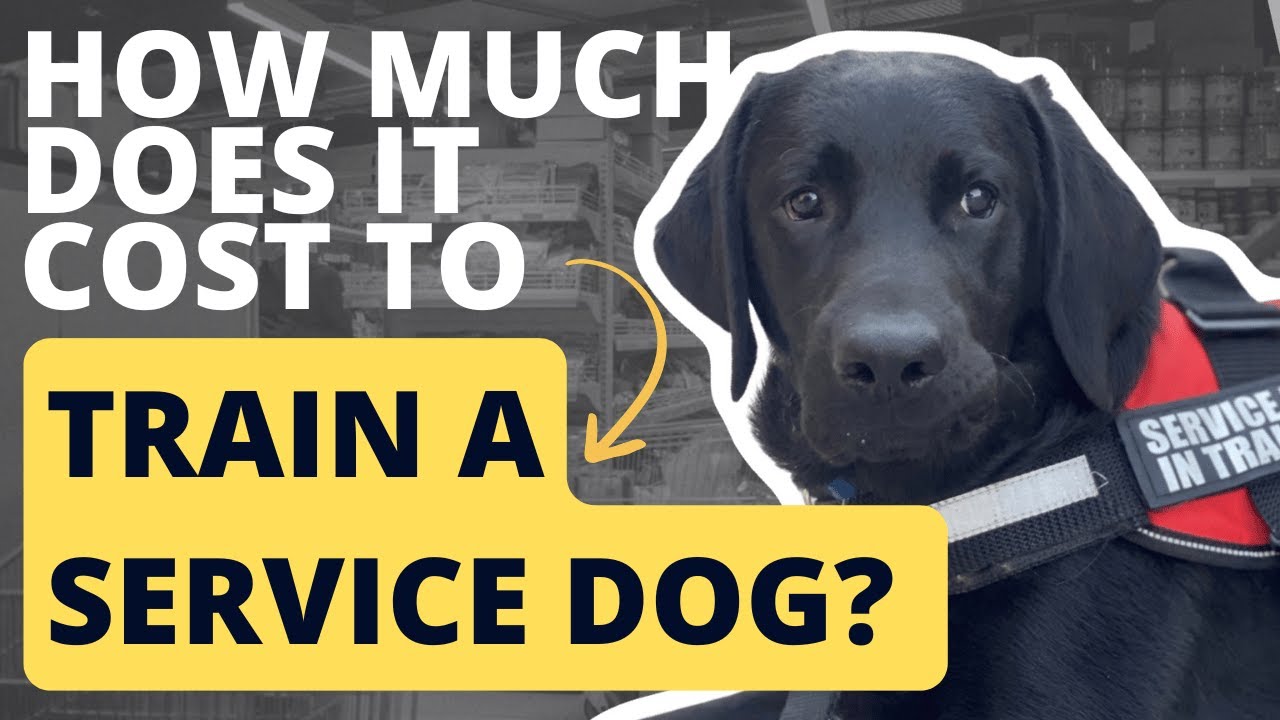
The Average Cost to Train a Service Dog
Service dogs play a vital role in assisting individuals with disabilities, providing them with greater independence and support in their daily lives. The training of a service dog is a comprehensive process that involves specific skills and behaviours tailored to meet the needs of the individual they will be assisting. As such, the cost of training a service dog can vary depending on various factors.
Factors Affecting the Cost of Training a Service Dog
Several factors can influence the overall cost of training a service dog:
- Training Program: The type and duration of the training program required for the service dog can impact the cost. Programs may include basic obedience training, task-specific training, public access training, and more.
- Breed Selection: The breed of the dog chosen for service work can affect the cost. Certain breeds are more commonly used as service dogs due to their temperament, intelligence, and suitability for specific tasks.
- Professional Trainer Fees: Hiring a professional trainer or enrolling in a formal training program will incur costs. Trainers with expertise in service dog training may charge higher fees.
- Equipment and Supplies: Training equipment such as harnesses, vests, leashes, and other supplies are necessary for service dog training and come at an additional cost.
- Veterinary Care: Regular veterinary check-ups, vaccinations, grooming, and other healthcare expenses are essential for maintaining the health and well-being of the service dog throughout its training.
- Certification Fees: Some organisations require certification or evaluation fees to assess and certify that the service dog meets specific standards for assistance work.
Average Cost Range
The average cost to train a service dog typically falls within the range of £5,000 to £20,000 or more. This estimate includes all aspects of training from initial obedience commands to advanced task-specific skills. It is important to consider ongoing costs such as food, grooming, healthcare, and continued reinforcement training once the service dog is placed with its handler.
While the cost of training a service dog may seem significant, it is essential to recognise the invaluable support and assistance these dogs provide to individuals with disabilities. Many organisations offer financial assistance or fundraising options to help offset some of these costs for those in need.
If you are considering obtaining a service dog or seeking information on available resources for assistance with training costs, it is advisable to research reputable organisations or trainers who specialise in service dog training.
Understanding the Costs and Considerations of Training a Service Dog: FAQs
- What is the average cost to train a service dog?
- What factors can influence the cost of training a service dog?
- How much do professional trainer fees contribute to the total cost of training a service dog?
- Do different breeds of dogs have varying costs for service dog training?
- What ongoing expenses should be considered in addition to the initial training cost for a service dog?
- Are there financial assistance options available for individuals who need help covering the cost of training a service dog?
What is the average cost to train a service dog?
The average cost to train a service dog can vary depending on several factors, including the type of training program, breed selection, professional trainer fees, equipment and supplies, veterinary care, and certification fees. Typically ranging from £5,000 to £20,000 or more, this estimate encompasses all aspects of training from basic obedience commands to advanced task-specific skills. While the cost may seem substantial, it is important to consider the invaluable support and assistance that service dogs provide to individuals with disabilities. Various organisations offer financial assistance or fundraising options to help offset some of these costs for those in need. It is advisable to research reputable trainers or organisations specialising in service dog training when considering obtaining a service dog or seeking information on available resources for assistance with training costs.
What factors can influence the cost of training a service dog?
Several factors can influence the cost of training a service dog. The type and duration of the training program required, breed selection, professional trainer fees, equipment and supplies, veterinary care, and certification fees all play a significant role in determining the overall cost. Different breeds may have varying temperaments and suitability for specific tasks, impacting training requirements and expenses. Professional trainers with expertise in service dog training may charge higher fees for their services. Additionally, ongoing costs such as healthcare and reinforcement training should be considered when estimating the total investment in training a service dog.
How much do professional trainer fees contribute to the total cost of training a service dog?
Professional trainer fees are a significant component of the total cost of training a service dog. The expertise and experience of professional trainers play a crucial role in shaping the behaviour and skills of a service dog. The fees charged by trainers reflect their knowledge, training methods, and dedication to ensuring that the service dog meets the specific requirements of its handler. While trainer fees can vary depending on the trainer’s qualifications and reputation, they are an essential investment in the successful training and development of a service dog to fulfil its vital role in assisting individuals with disabilities.
Do different breeds of dogs have varying costs for service dog training?
The cost of training a service dog can indeed vary depending on the breed of the dog chosen for service work. Different breeds exhibit varying levels of intelligence, temperament, and suitability for specific tasks required in service dog training. Some breeds are commonly preferred for their innate abilities and characteristics that make them well-suited for service work, which can impact the overall cost of training. Additionally, certain breeds may require more intensive or specialised training to effectively perform the tasks needed to assist individuals with disabilities, potentially influencing the total cost of training a service dog.
What ongoing expenses should be considered in addition to the initial training cost for a service dog?
When considering the average cost to train a service dog, it is essential to factor in ongoing expenses beyond the initial training cost. In addition to the upfront training fees, individuals should also consider ongoing expenses such as veterinary care, including regular check-ups, vaccinations, and potential emergency medical costs. Other recurring expenses include grooming services, high-quality dog food tailored to the service dog’s specific needs, as well as necessary supplies such as harnesses, vests, and training equipment. Continued reinforcement training and certification fees may also contribute to the overall cost of maintaining a well-trained service dog. Being prepared for these ongoing expenses is crucial in ensuring the health, well-being, and continued effectiveness of a service dog in assisting individuals with disabilities.
Are there financial assistance options available for individuals who need help covering the cost of training a service dog?
For individuals in need of financial assistance to cover the cost of training a service dog, there are various options available to help alleviate the financial burden. Many reputable organisations and non-profit groups offer grants, scholarships, or fundraising opportunities specifically designed to assist individuals with disabilities in obtaining a service dog. Additionally, some service dog training programs may offer sliding scale fees or payment plans to accommodate different financial situations. It is advisable for individuals seeking financial assistance to research and reach out to these organisations and resources to explore potential avenues for support in acquiring a trained service dog.