
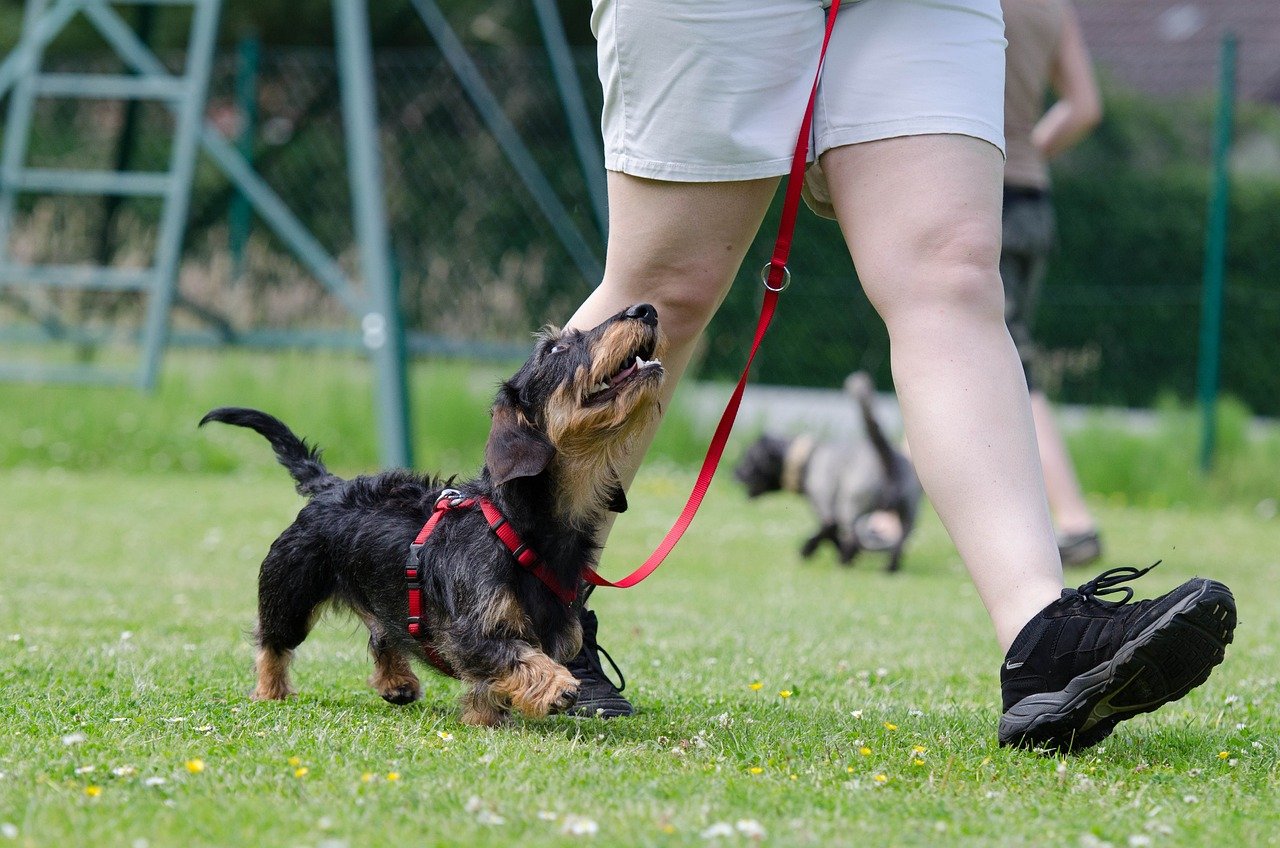
One-on-One Puppy Training: A Personalised Approach to Puppy Development
Bringing a new puppy into your home is an exciting and rewarding experience. However, it also comes with the responsibility of training your furry friend to become a well-behaved and happy companion. One-on-one puppy training offers a personalised approach to help you and your puppy build a strong foundation for a lifelong bond.
Unlike group training classes where the focus is divided among multiple puppies, one-on-one training provides individual attention tailored specifically to your puppy’s needs and personality. This personalised approach allows for a deeper understanding of your puppy’s behaviour, learning style, and unique challenges.
During one-on-one sessions, a professional trainer works closely with you and your puppy to address specific training goals such as basic obedience commands, housebreaking, socialisation, leash manners, and more. The trainer can customise the training plan based on your puppy’s progress and adjust techniques as needed to ensure effective results.
Another benefit of one-on-one puppy training is the flexibility it offers. Sessions can be scheduled at convenient times for you and your puppy, allowing for focused attention without distractions. This individualised approach also enables the trainer to work at a pace that suits your puppy’s learning abilities, ensuring a positive and stress-free training experience.
Furthermore, one-on-one training provides an opportunity for you to actively participate in your puppy’s development. You will learn valuable techniques and strategies that you can continue to reinforce at home, strengthening the bond between you and your furry companion.
Whether you are looking to lay the groundwork for good behaviour or address specific behavioural issues, one-on-one puppy training offers a tailored solution that sets both you and your puppy up for success. Invest in your puppy’s future today with personalised training that nurtures their potential and enhances their well-being.
Essential FAQs About One-on-One Puppy Training: Rules, Techniques, and Benefits
- What is the first training for puppy?
- Should only one person train a puppy?
- What is the 3-3-3 rule for dog training?
- What is the 7 7 7 rule for puppies?
- What are the benefits of one to one dog training?
- What is the 5 minute rule for puppies?
- What is the 10 minute rule for puppies?
What is the first training for puppy?
The first training for a puppy typically involves establishing basic obedience skills and building a foundation for good behaviour. This initial training may focus on teaching simple commands such as “sit,” “stay,” and “come,” as well as introducing concepts like housebreaking and crate training. By laying these fundamental skills early on, puppies can develop a strong understanding of expectations and boundaries, setting them up for success in their ongoing training journey. Starting with these essential lessons not only helps puppies learn how to communicate and interact with their owners effectively but also fosters a positive learning experience that can strengthen the bond between puppy and owner.
Should only one person train a puppy?
When it comes to one-on-one puppy training, the question of whether only one person should train a puppy is a common concern among pet owners. While consistency in training is essential for a puppy’s development, involving multiple family members in the training process can offer various benefits. Different individuals can provide diverse interactions and experiences for the puppy, contributing to a well-rounded training approach. However, having one primary trainer who establishes clear communication and routines with the puppy can help maintain consistency and avoid confusion. Ultimately, the key is effective communication and coordination among all involved parties to ensure a cohesive training experience that benefits the puppy’s learning and behavioural development.
What is the 3-3-3 rule for dog training?
The 3-3-3 rule for dog training is a guideline that emphasises the importance of consistency, patience, and understanding in the training process. The rule suggests that in the first three days of training, both the dog and the owner are adjusting to a new routine and environment. During this time, it is crucial to establish clear boundaries and expectations while allowing the dog to acclimate gradually. In the next three weeks, consistency in training methods and positive reinforcement are key to reinforcing desired behaviours and building trust between the dog and owner. Finally, in the following three months, continued practice, patience, and ongoing support are essential for long-term success in shaping a well-behaved and happy canine companion. By following the 3-3-3 rule, dog owners can lay a solid foundation for effective training and a harmonious relationship with their furry friend.
What is the 7 7 7 rule for puppies?
The 7 7 7 rule for puppies is a common guideline recommended by trainers and veterinarians to help new puppy owners understand their young companion’s needs. The rule suggests that a puppy can typically hold their bladder for approximately 7 hours overnight, 7 hours during the day, and be crated for no more than 7 hours at a time. Adhering to this rule helps in establishing a routine for potty training, ensuring that puppies have regular opportunities to relieve themselves and avoid accidents indoors. It also emphasises the importance of providing adequate mental and physical stimulation for puppies to prevent boredom and promote healthy development.
What are the benefits of one to one dog training?
One-to-one dog training offers a multitude of benefits that cater to the specific needs of both the dog and the owner. The individualised attention provided in one-on-one sessions allows for a tailored approach to address behavioural issues, obedience training, and socialisation in a focused and effective manner. This personalised attention ensures that training techniques can be adjusted to suit the unique learning style and temperament of each dog, leading to faster progress and better results. Additionally, one-to-one training fosters a stronger bond between the dog and owner, as it encourages active participation and understanding of the training process, ultimately creating a harmonious relationship built on trust and communication.
What is the 5 minute rule for puppies?
The “5-minute rule” for puppies is a commonly recommended guideline in training sessions to maintain a puppy’s focus and prevent overexertion. The rule suggests keeping training sessions short, around 5 minutes each, to match a puppy’s short attention span and energy levels. By breaking down training into brief, engaging sessions, puppies are more likely to stay motivated and retain what they have learned. This approach not only helps puppies learn more effectively but also prevents them from becoming bored or frustrated during training, promoting a positive learning experience for both the puppy and the owner.
What is the 10 minute rule for puppies?
The 10 minute rule for puppies is a commonly recommended guideline in one-on-one puppy training. It suggests that training sessions should be kept short, typically around 10 minutes, to match a puppy’s attention span and prevent them from becoming overwhelmed or disengaged. By breaking training into brief, focused intervals, puppies can stay engaged, retain information better, and enjoy the learning process. This approach helps create a positive training experience for both the puppy and the trainer, leading to more effective results in building desired behaviours and strengthening the bond between puppy and owner.