
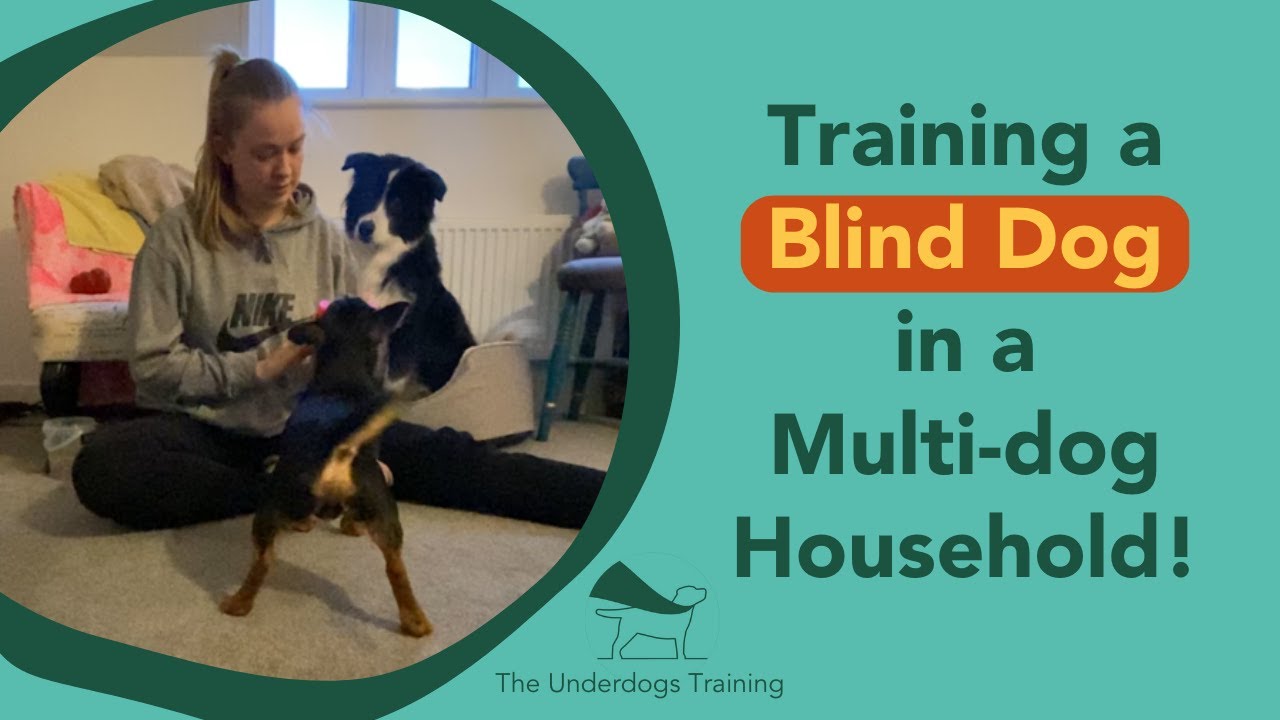
Training Tips for Blind Dogs
Having a blind dog can present unique challenges, but with patience, understanding, and the right training techniques, you can help your furry friend navigate the world confidently and safely.
Create a Consistent Environment
Keep furniture and objects in your home in the same place to provide a familiar environment for your blind dog. Avoid rearranging furniture frequently to prevent confusion.
Use Verbal Cues
Verbal cues are essential for guiding a blind dog. Use consistent commands and praise to communicate with your dog effectively. Positive reinforcement is key to building trust and confidence.
Scent Training
Utilise scents to help your blind dog navigate their surroundings. Place scented markers near doorways, food bowls, and other important areas to assist them in recognising key locations.
Touch Training
Physical touch can be comforting and reassuring for blind dogs. Incorporate gentle touch into your training sessions to establish a strong bond and help your dog feel secure.
Safety Measures
Ensure that your home is safe for a blind dog by removing potential hazards such as sharp objects or tripping hazards. Consider using baby gates or barriers to limit access to dangerous areas.
Obedience Training
Obedience training is crucial for all dogs, including blind ones. Teach basic commands such as sit, stay, and come using positive reinforcement techniques to promote good behaviour.
Seek Professional Help
If you’re struggling with training your blind dog or need additional guidance, consider seeking assistance from a professional trainer experienced in working with visually impaired dogs.
Remember that every dog is unique, so be patient and adaptive in your approach to training a blind dog. With love, patience, and consistent training efforts, you can help your furry companion live a fulfilling and happy life despite their visual impairment.
Top 5 Tips for Training Your Blind Dog: Enhancing Navigation and Safety
- Use verbal cues and commands consistently to help the blind dog navigate.
- Create a safe and predictable environment by keeping furniture and objects in the same place.
- Use scents to help the blind dog identify different areas or objects.
- Consider using textured paths or rugs to guide the blind dog around the house.
- Reward positive behaviour with treats or praise to reinforce good training outcomes.
Use verbal cues and commands consistently to help the blind dog navigate.
Consistency is key when using verbal cues and commands to assist a blind dog in navigating their surroundings. By maintaining a clear and predictable communication style, you can help your furry friend build confidence and trust in their abilities. Using the same commands consistently will enable your blind dog to associate specific words with actions or directions, making it easier for them to understand and respond appropriately. Patience and repetition are essential as you work with your blind dog to reinforce these verbal cues, ultimately enhancing their sense of security and independence.
Create a safe and predictable environment by keeping furniture and objects in the same place.
Creating a safe and predictable environment for a blind dog is essential in helping them navigate their surroundings with confidence. By keeping furniture and objects in the same place, you provide a consistent layout that allows your furry friend to familiarise themselves with their home. This stability minimises confusion and reduces the risk of accidents, enabling your blind dog to move around comfortably and independently. Consistency in their environment fosters a sense of security and belonging, ultimately promoting their overall well-being and quality of life.
Use scents to help the blind dog identify different areas or objects.
Using scents to assist blind dogs in identifying different areas or objects is a valuable training tip that can greatly enhance their spatial awareness and confidence. By strategically placing scented markers near key locations such as doorways, food bowls, or favourite resting spots, you can provide your blind dog with olfactory cues to navigate their surroundings more effectively. This method not only helps them recognise important areas but also promotes mental stimulation and independence, ultimately empowering them to explore and interact with their environment more comfortably.
Consider using textured paths or rugs to guide the blind dog around the house.
For blind dogs, incorporating textured paths or rugs throughout the house can be a helpful way to provide tactile guidance and support their navigation. By placing these textured surfaces strategically in key areas, such as hallways or near stairs, you can create a physical map that helps your blind dog move around with more confidence and ease. The textures can serve as landmarks for your dog to follow, enhancing their spatial awareness and promoting a sense of security in their surroundings. This simple yet effective tip can make a significant difference in improving your blind dog’s mobility and overall quality of life at home.
Reward positive behaviour with treats or praise to reinforce good training outcomes.
Rewarding positive behaviour with treats or praise is a crucial aspect of training blind dogs. By associating good behaviour with rewards, such as tasty treats or encouraging words, you reinforce the desired actions and motivate your furry friend to continue displaying them. This positive reinforcement technique not only strengthens the bond between you and your blind dog but also helps them understand what behaviours are expected of them. Consistency in rewarding positive behaviour will ultimately lead to more successful training outcomes and a happier, more confident canine companion.